9 min read

Mania, which can take the form of an unusually heightened or irritable mood, is often known as a symptom of bipolar disorder .
Mania, which can take the form of an unusually heightened or irritable mood, is often known as a symptom of bipolar disorder .
But it can also be a sign of other mental health disorders or occur on its own.
Some of the most common indicators of a manic episode include: Racing thoughts Prolonged and fast-paced speech Excitability Becoming easily distracted An increase in intense and goal-directed activity (like staying up all night working on a project) Exaggerated self-confidence A decreased need for sleep It’s important to be aware that none of these behaviors by themselves mean that somebody is manic.
“In true mania, a group of symptoms need to be present most of the day, nearly every day, for at least a week,” explains Joanna Stern, PsyD , a clinical psychologist who specializes in mood disorders.
“And they have to represent a significant, noticeable change from the child’s usual behavior.” What does mania look like in children and teens?
Identifying mania in kids can be challenging since descriptions tend to be based on adult behavior.
“People may think of unrestrained buying sprees, sexual indiscretions, or foolish business investments,” says Dr.
“But mania often looks different in kids and teens.” We tend to associate mania with euphoria and other feel-good emotions.
But children are more likely to show signs of irritability and aggression.
Their increased energy level may come out in angry outbursts or tantrums.
From the Author
Order today and James will personally sign your copy — a meaningful keepsake from an NBA All-Star and mental health advocate.

Celebrating Your Gift of Life
From the verge of suicide to a life of purpose and joy
Order & Get It Signed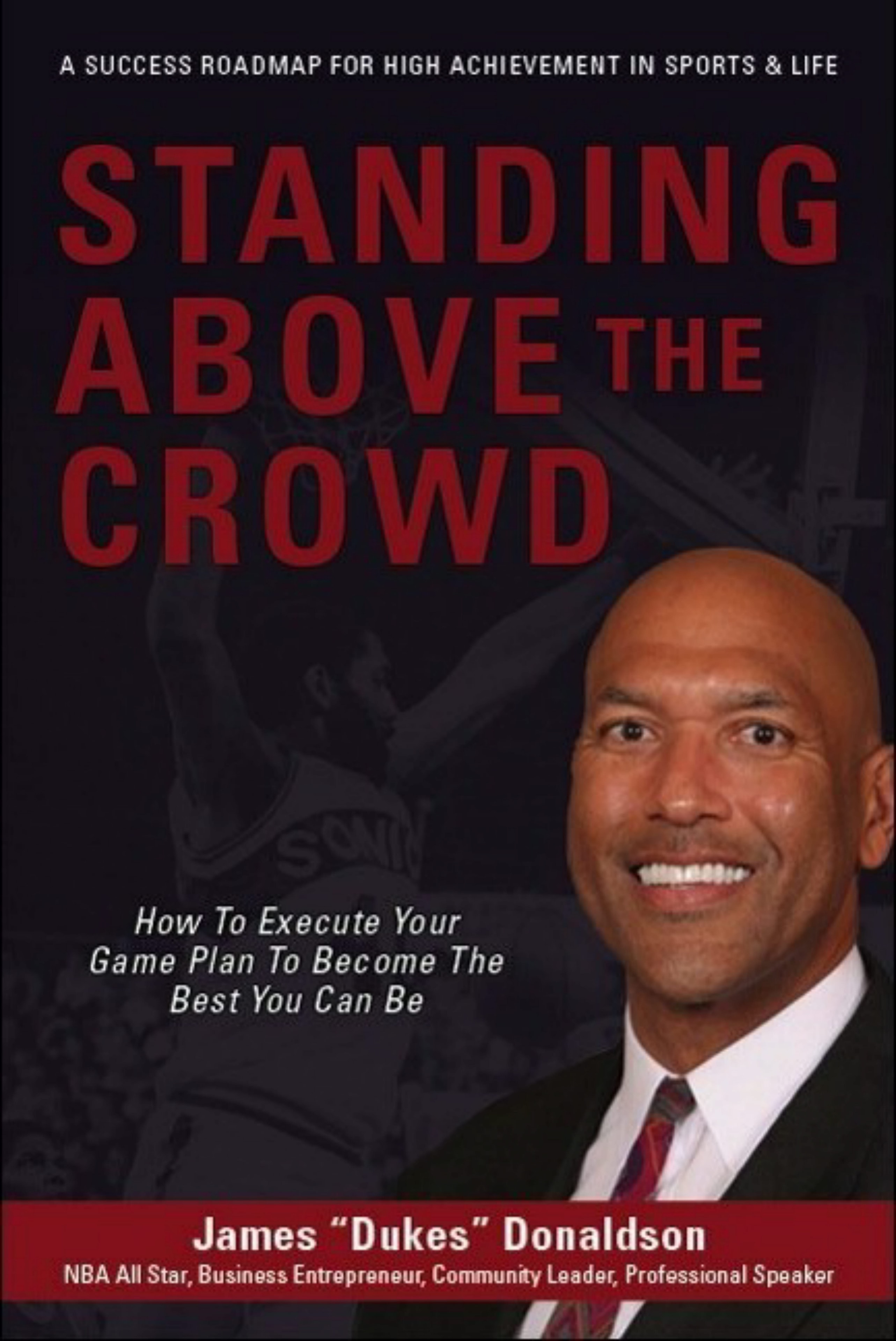
Standing Above the Crowd
Inspiring stories of resilience, hope, and mental wellness
Order & Get It Signed
James Donaldson
Author, Speaker & Mental Health Advocate · Standing Above the Crowd
James Donaldson is a former NBA All-Star (1988, Dallas Mavericks) who played 20 years of professional basketball with the Seattle SuperSonics, L.A. Clippers, Dallas Mavericks, New York Knicks, Utah Jazz, and teams across Europe, before touring with the Harlem Globetrotters. A Washington State University graduate inducted into both the Pac-10 and WSU Athletic Halls of Fame, James went on to found The Donaldson Clinic, an outpatient physical therapy practice he operated for nearly three decades. Today he devotes his time to mental health awareness and suicide prevention — speaking to organizations, schools, and youth groups — and is the author of Standing Above the Crowd and Celebrating Your Gift of Life (2021). James recently relocated to the Dallas, TX area and believes deeply in being a role model of success and professionalism for the young people he serves.