9 min read

Enlist the school as ally Finally, if you’re worried your child might be uncomfortable or being bullied at school, enlist their teachers or the school’s guidance counselor as an ally.
Enlist the school as ally Finally, if you’re worried your child might be uncomfortable or being bullied at school, enlist their teachers or the school’s guidance counselor as an ally.
If you sense that your kid might benefit from a little extra scaffolding at school, you could ask them to keep an eye out for bullies, and to maybe help them along socially until they’re feeling more comfortable.
Even if you don’t suspect your child is being bullied it might be a good idea to schedule a check-in with your child’s teacher .
They may be able to give you a better idea of the social and academic pressures your child is facing at school.
When to be concerned In some cases, what looks like immaturity may have a different cause.
Early signs of ADHD, some learning disabilities, anxiety, and autism can all be mistaken for run-of-the-mill immaturity.
Behaviors that seem extreme, or don’t fade as children grow, warrant a visit to your child’s pediatrician or a clinician.
Some things to watch for include: Speech delays Significant lack of coordination that is age-inappropriate — for example, a child who has difficulty using a fork or trouble writing legibly long into grade school Total lack of interest in social activities Serious anxiety around social situations like sleepovers or parties, or trouble making or keeping friends Significant sleep issues that are age-inappropriate, for example a 9-year-old who struggles to sleep through the night without parental intervention Academic difficulties that have a significant impact on grades Problems with impulse control or concentration Tantrums or meltdowns in elementary or middle school In most cases though, being immature is just a part of growing up, like having knobby knees or braces.
Giving your child the help and support they need to navigate it in a safe, less stressful way will help them land on their feet when they catch up and give them powerful tools to care for themselves both now and when they’re “mature.” Frequently Asked Questions What are signs that a child is immature?
What are signs a teen is immature?

From the Author
Order today and James will personally sign your copy — a meaningful keepsake from an NBA All-Star and mental health advocate.

Celebrating Your Gift of Life
From the verge of suicide to a life of purpose and joy
Order & Get It Signed
Standing Above the Crowd
Inspiring stories of resilience, hope, and mental wellness
Order & Get It Signed
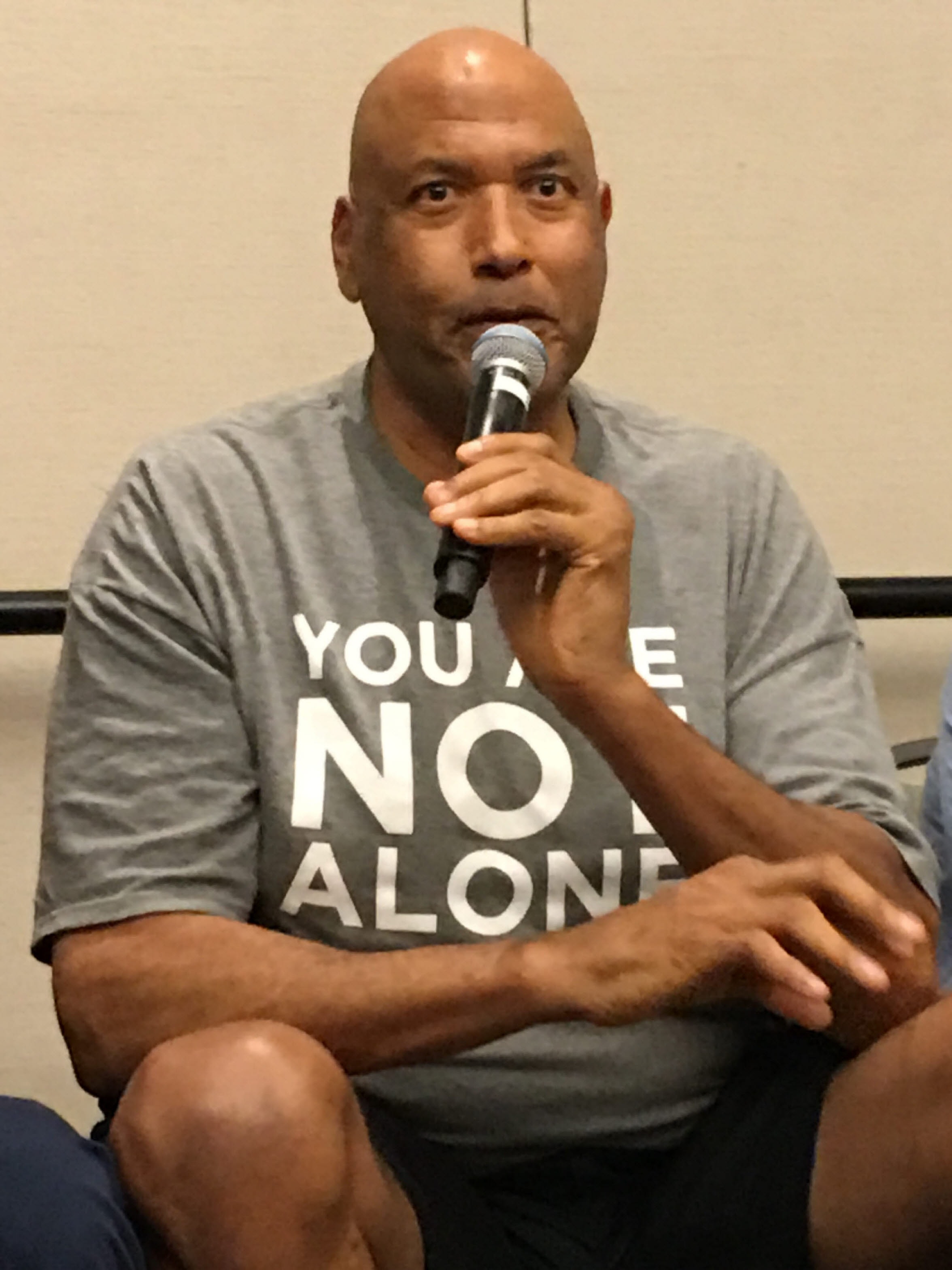
James Donaldson
Author, Speaker & Mental Health Advocate · Standing Above the Crowd
James Donaldson is a former NBA All-Star (1988, Dallas Mavericks) who played 20 years of professional basketball with the Seattle SuperSonics, L.A. Clippers, Dallas Mavericks, New York Knicks, Utah Jazz, and teams across Europe, before touring with the Harlem Globetrotters. A Washington State University graduate inducted into both the Pac-10 and WSU Athletic Halls of Fame, James went on to found The Donaldson Clinic, an outpatient physical therapy practice he operated for nearly three decades. Today he devotes his time to mental health awareness and suicide prevention — speaking to organizations, schools, and youth groups — and is the author of Standing Above the Crowd and Celebrating Your Gift of Life (2021). James recently relocated to the Dallas, TX area and believes deeply in being a role model of success and professionalism for the young people he serves.