9 min read

Helpful for treatment-resistant One group that RO DBT can be especially helpful for is people with treatment-resistant depression or anxiety.
Helpful for treatment-resistant One group that RO DBT can be especially helpful for is people with treatment-resistant depression or anxiety.
Overcontrollers may resist treatment for associated disorders because they’re not open to new information.
“They tend to really think that they know the answer,” explains Dr.
Hamlet, “and that there’s no point in really being open or flexible, because their answer is right.” So flexibility skills can help them respond to treatment for other symptoms as well.
Hamlet uses the example of children she’s treating who have the form of anxiety called emetophobia , or the fear of vomiting.
The conventional treatment for emetophobia is a form of CBT called exposure therapy , which involves gradual exposure to the thing that triggers anxiety until it loses its power.
But if kids are overcontrollers it may not work.
“It doesn’t really get at the underlying mechanism of overcontrol,” she points out.
“Vomiting is something you really have no control over, so it’s a classic problem for an overcontroller.” Learning flexibility and connecting to others both help overcontrollers feel less threatened by things that are new or outside their comfort zone.
“New learning can only occur when you feel safe,” she adds, “And safety over time is with others.
From the Author
Order today and James will personally sign your copy — a meaningful keepsake from an NBA All-Star and mental health advocate.

Celebrating Your Gift of Life
From the verge of suicide to a life of purpose and joy
Order & Get It Signed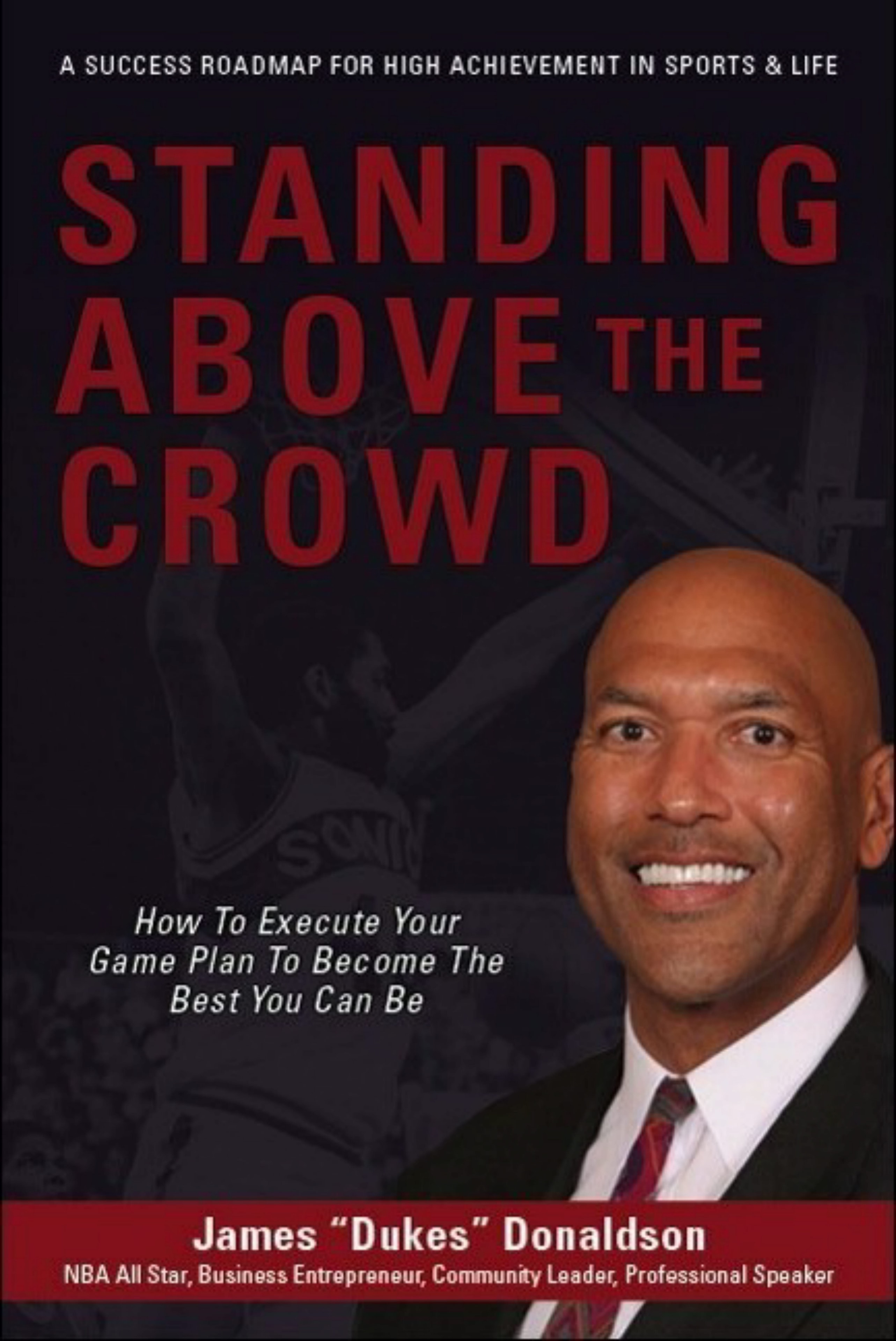
Standing Above the Crowd
Inspiring stories of resilience, hope, and mental wellness
Order & Get It Signed
James Donaldson
Author, Speaker & Mental Health Advocate · Standing Above the Crowd
James Donaldson is a former NBA All-Star (1988, Dallas Mavericks) who played 20 years of professional basketball with the Seattle SuperSonics, L.A. Clippers, Dallas Mavericks, New York Knicks, Utah Jazz, and teams across Europe, before touring with the Harlem Globetrotters. A Washington State University graduate inducted into both the Pac-10 and WSU Athletic Halls of Fame, James went on to found The Donaldson Clinic, an outpatient physical therapy practice he operated for nearly three decades. Today he devotes his time to mental health awareness and suicide prevention — speaking to organizations, schools, and youth groups — and is the author of Standing Above the Crowd and Celebrating Your Gift of Life (2021). James recently relocated to the Dallas, TX area and believes deeply in being a role model of success and professionalism for the young people he serves.