8 min read
The conversations you have with your children about mental health — starting when they're young — shape how they'll handle struggle for the rest of their lives.
One of the greatest gifts you can give your child is a home where mental health is talked about openly — where feelings are named, struggles are acknowledged, and asking for help is treated as strength rather than weakness. These conversations don't have to be heavy or formal. They can happen in the car, at the dinner table, or during a walk. What matters is that they happen.
With young children (ages 3–7), the goal is building emotional vocabulary. Help them name what they're feeling: 'You seem frustrated. Is that right?' Read books that feature characters experiencing a range of emotions. Model your own emotional expression: 'I'm feeling a little stressed today, so I'm going to take some deep breaths.' Keep it simple and concrete.
With elementary-age children (ages 8–12), you can go deeper. Talk about the difference between a bad day and a longer struggle. Introduce the idea that brains, like bodies, can get sick and need care. Normalize therapy: 'Some people talk to a special kind of helper called a therapist when they're going through something hard.' Ask open-ended questions: 'What was the hardest part of your week?'
With teenagers, the approach shifts. Teens often resist direct questions, so try side-by-side conversations — talking while driving or doing something together rather than face-to-face. Share relevant news stories or ask their opinion on mental health topics. Be honest about your own struggles when appropriate. And above all, listen more than you talk.
Across all ages, the most important thing is to create a home where your child believes they can come to you with anything. That means responding to disclosures without panic, without minimizing, and without immediately jumping to solutions. 'Thank you for telling me that. I love you and we're going to figure this out together' goes a long way.
If your child is struggling and you're not sure how to help, don't wait. Talk to their pediatrician, school counselor, or a mental health professional. Early intervention makes a real difference. And remember: you don't have to have all the answers. You just have to show up.
From the Author
Order today and James will personally sign your copy — a meaningful keepsake from an NBA All-Star and mental health advocate.
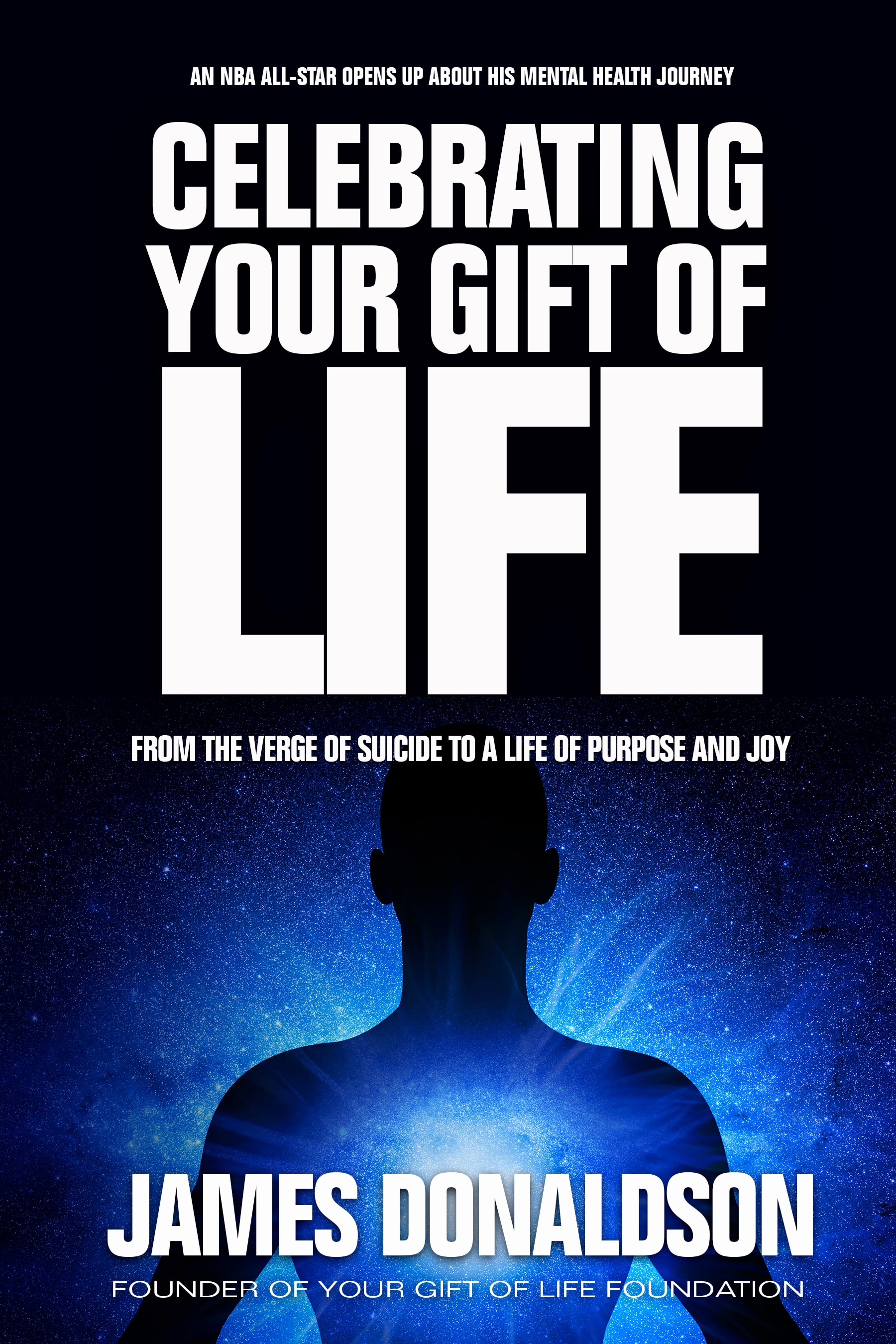
Celebrating Your Gift of Life
From the verge of suicide to a life of purpose and joy
Order & Get It Signed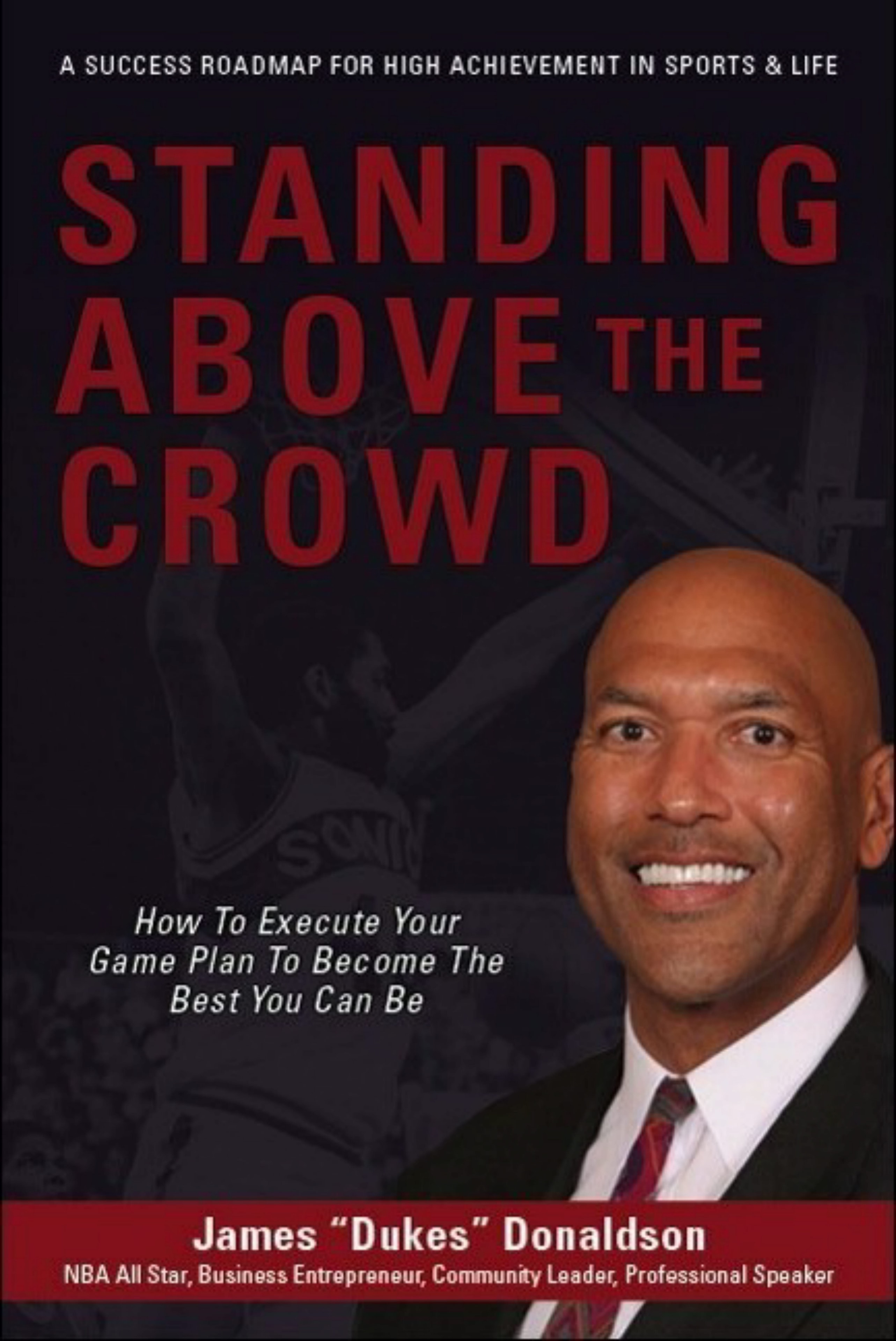
Standing Above the Crowd
Inspiring stories of resilience, hope, and mental wellness
Order & Get It Signed
James Donaldson
Author, Speaker & Mental Health Advocate · Standing Above the Crowd
James Donaldson is a former NBA All-Star (1988, Dallas Mavericks) who played 20 years of professional basketball with the Seattle SuperSonics, L.A. Clippers, Dallas Mavericks, New York Knicks, Utah Jazz, and teams across Europe, before touring with the Harlem Globetrotters. A Washington State University graduate inducted into both the Pac-10 and WSU Athletic Halls of Fame, James went on to found The Donaldson Clinic, an outpatient physical therapy practice he operated for nearly three decades. Today he devotes his time to mental health awareness and suicide prevention — speaking to organizations, schools, and youth groups — and is the author of Standing Above the Crowd and Celebrating Your Gift of Life (2021). James recently relocated to the Dallas, TX area and believes deeply in being a role model of success and professionalism for the young people he serves.