9 min read

When should parents seek help for a child who dissociates?
When should parents seek help for a child who dissociates?
If dissociation is frequent, distressing, or associated with changes in your child’s functioning, seeking professional support is appropriate.
“If something dissociative happens, and there’s a really big change in your child’s functioning, then I would be concerned,” Dr.
Signs it may be time to reach out include: Memory gaps after the episode Noticeable personality changes Difficulty at school Withdrawal from friends or activities Significant distress or confusion A good place to start would be talking to your pediatrician, who may refer you to a mental health professional.
“If your child is displaying behaviors that seem out of the ordinary, you should trust your instincts,” Dr.
How to identify dissociation To determine whether a child is dissociating, a mental health professional gathers information from multiple sources, including parents, the child, and sometimes teachers, asking about the child’s behaviors, history, and any recent stressors or changes in behavior.
“The first thing would be a structured diagnostic interview with a qualified clinician,” Dr.
“Parents bring the history and describe the behavior, and then the clinician meets with the child.” Clinicians also consider whether dissociation might be a symptom of another condition , such as post-traumatic stress disorder, borderline personality disorder, anxiety (especially panic disorder), and depression.
“It’s really gathering history, meeting the child, observing the child, and figuring out what this cluster of behaviors leads to,” she says.
It’s more frequent to find that dissociation is a result of another disorder than an actual dissociative disorder.
From the Author
Order today and James will personally sign your copy — a meaningful keepsake from an NBA All-Star and mental health advocate.

Celebrating Your Gift of Life
From the verge of suicide to a life of purpose and joy
Order & Get It Signed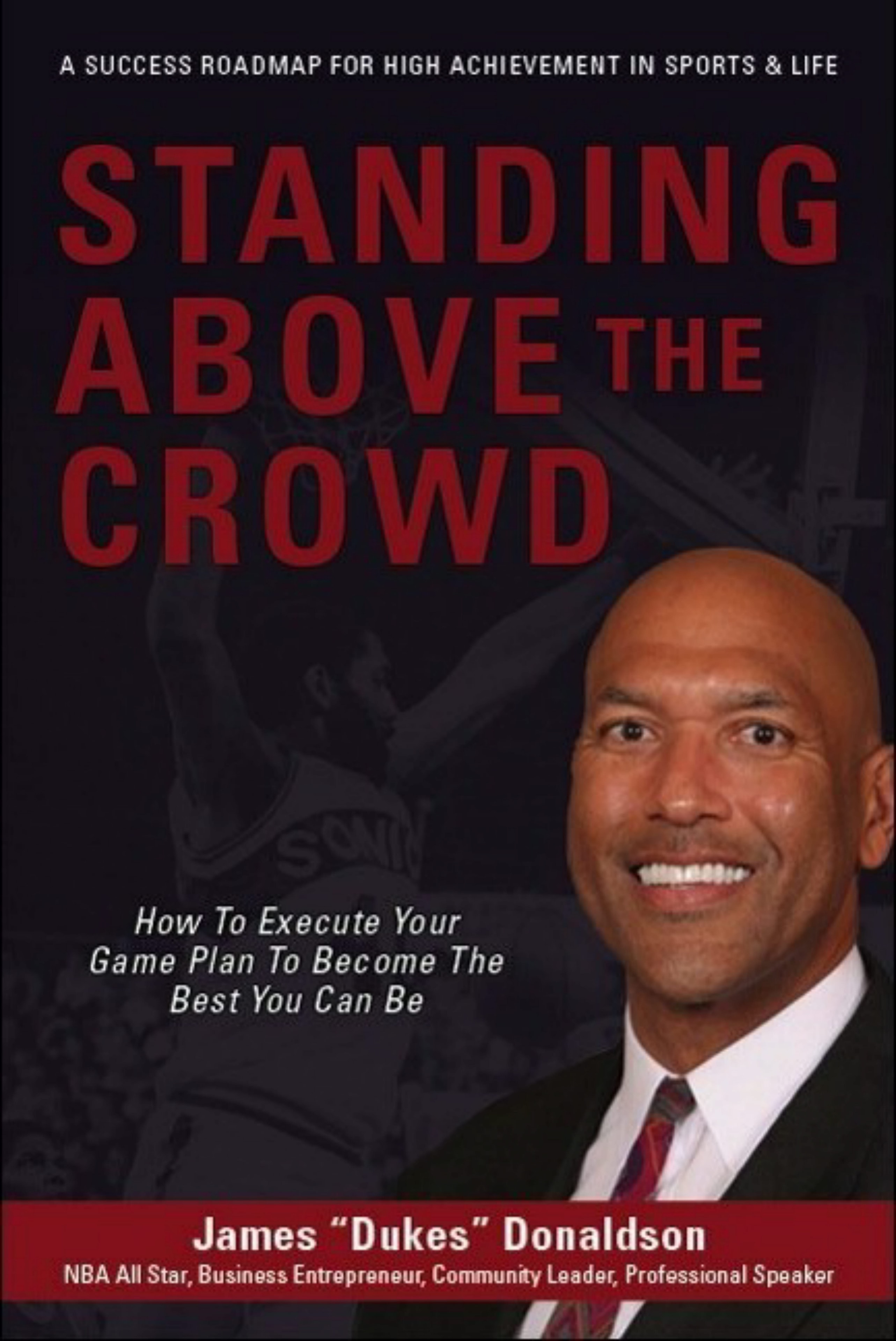
Standing Above the Crowd
Inspiring stories of resilience, hope, and mental wellness
Order & Get It Signed
James Donaldson
Author, Speaker & Mental Health Advocate · Standing Above the Crowd
James Donaldson is a former NBA All-Star (1988, Dallas Mavericks) who played 20 years of professional basketball with the Seattle SuperSonics, L.A. Clippers, Dallas Mavericks, New York Knicks, Utah Jazz, and teams across Europe, before touring with the Harlem Globetrotters. A Washington State University graduate inducted into both the Pac-10 and WSU Athletic Halls of Fame, James went on to found The Donaldson Clinic, an outpatient physical therapy practice he operated for nearly three decades. Today he devotes his time to mental health awareness and suicide prevention — speaking to organizations, schools, and youth groups — and is the author of Standing Above the Crowd and Celebrating Your Gift of Life (2021). James recently relocated to the Dallas, TX area and believes deeply in being a role model of success and professionalism for the young people he serves.