9 min read

No parent wants to think about this. But if you're worried that a child in your life might be having suicidal thoughts, the most important thing you can do is talk to them about it — calmly, directly, and with love. Here's a practical guide to navigating one of the hardest conversations a parent can have.
No parent wants to think about this. No grandparent, no teacher, no coach. The idea that a child we love might be having suicidal thoughts is almost too painful to hold.
But here's what I know from years of mental health advocacy, and what the research confirms: the worst thing we can do is stay silent. If you're worried, you need to talk to them. And I want to give you the tools to do that.
This guidance draws on the work of Dr. Nadine Kaslow, a psychologist and former President of the American Psychological Association, who has spent her career helping families navigate exactly this situation.
First: Talking About It Does Not Make It More Likely
This is the fear that stops most parents from asking the question. "What if I bring it up and give them the idea?" "What if I make it worse?"
The truth is the opposite. If a child feels that they have someone safe in the family they can talk to, they feel better. They feel more understood. They feel less alone. And that connection — that sense of being seen and loved — is one of the most powerful protective factors against suicide.
Asking the question opens the door. It doesn't create the danger.
How to Start the Conversation
Dr. Kaslow's first piece of advice: be calm and non-accusatory. When parents are frightened, they sometimes say things like "Don't think this way" or "You shouldn't feel that way" — and even though those words come from love, children hear them as criticism. They shut down.
Instead, lead with empathy. Try:
And make sure your child knows — explicitly, repeatedly, in small ways and big ones — how much you love them and how important they are to you. When kids are struggling, they need to hear it more than ever.
Practical Steps to Keep Them Safe
Stay connected. Monitor their social media, stay in touch with their school, and know their friends — and their friends' parents. Kids who feel monitored and cared for are safer than kids who feel invisible.
Prioritize positive time together. When we're worried, it's easy to fall into a cycle of conflict and criticism. Make time to just hang out, do fun things, talk about things that aren't heavy. Those moments of connection matter enormously.
Get professional support. Look for a therapist who has specific experience with suicidal teenagers — not everyone is trained for this. Ask your child's pediatrician for referrals. And make sure your child feels comfortable with whoever you choose; if they don't connect with the first therapist, keep looking.
Both cognitive behavioral therapy (CBT) and dialectical behavior therapy (DBT) have strong research support for suicidal kids. Medication may also be appropriate, particularly for kids dealing with depression, anxiety, or ADHD.
When It's an Emergency
If you believe your child is in immediate danger of attempting suicide, call 911 or take them to the hospital right away. Suicidal thoughts or behaviors are a medical emergency and must be treated as such.
You can also call or text 988 together — the Suicide & Crisis Lifeline is available 24/7 and can help you navigate next steps. Offering to make the call with your child, rather than asking them to do it alone, can make all the difference.
You are not alone in this. And neither is your child. Reaching out for help — for them, and for yourself — is one of the most loving things you can do.
From the Author
Order today and James will personally sign your copy — a meaningful keepsake from an NBA All-Star and mental health advocate.

Celebrating Your Gift of Life
From the verge of suicide to a life of purpose and joy
Order & Get It Signed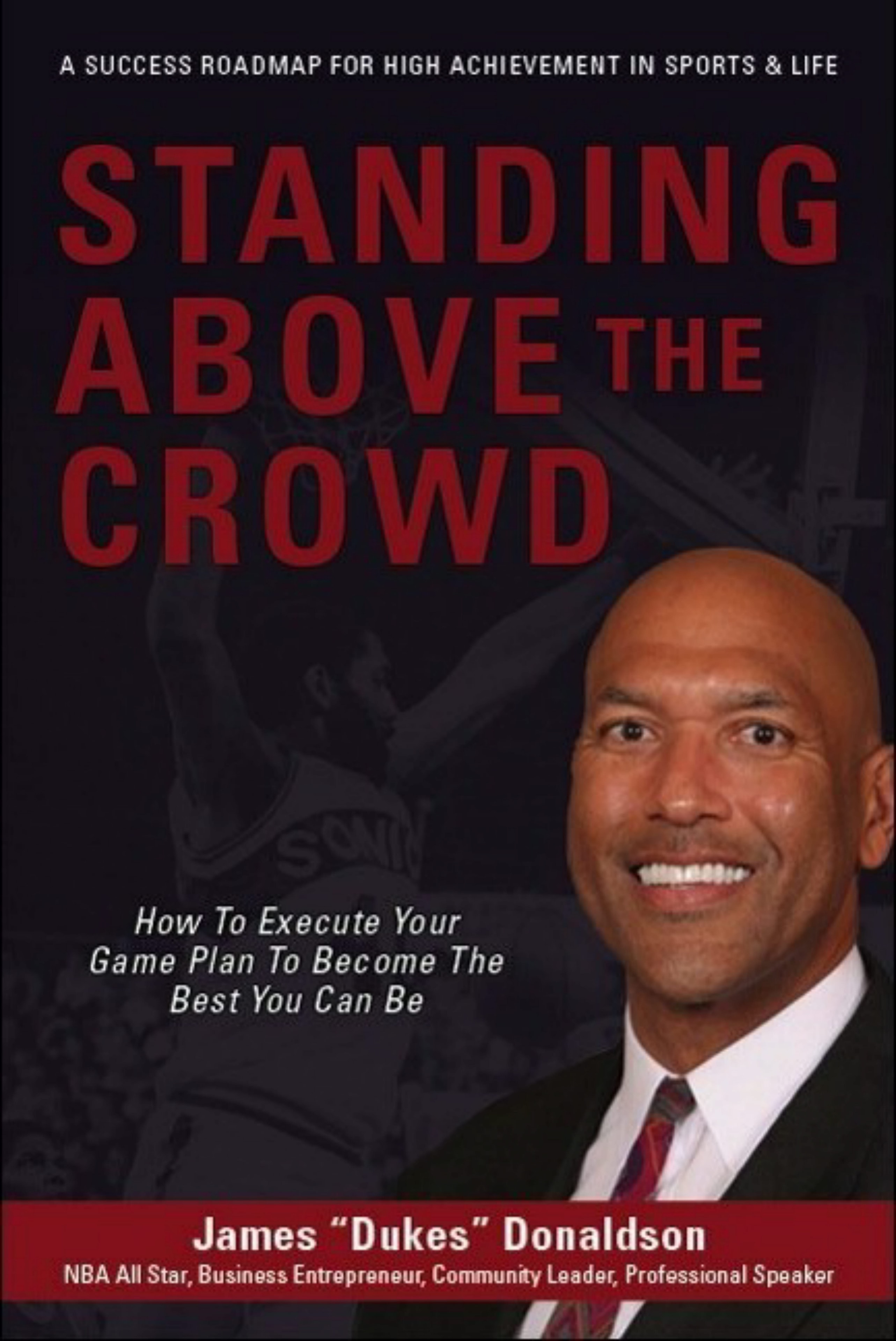
Standing Above the Crowd
Inspiring stories of resilience, hope, and mental wellness
Order & Get It Signed
James Donaldson
Author, Speaker & Mental Health Advocate · Standing Above the Crowd
James Donaldson is a former NBA All-Star (1988, Dallas Mavericks) who played 20 years of professional basketball with the Seattle SuperSonics, L.A. Clippers, Dallas Mavericks, New York Knicks, Utah Jazz, and teams across Europe, before touring with the Harlem Globetrotters. A Washington State University graduate inducted into both the Pac-10 and WSU Athletic Halls of Fame, James went on to found The Donaldson Clinic, an outpatient physical therapy practice he operated for nearly three decades. Today he devotes his time to mental health awareness and suicide prevention — speaking to organizations, schools, and youth groups — and is the author of Standing Above the Crowd and Celebrating Your Gift of Life (2021). James recently relocated to the Dallas, TX area and believes deeply in being a role model of success and professionalism for the young people he serves.