9 min read
Brainstorm solutions Once kids understand what the issue is, you can help them practice finding solutions.
Brainstorm solutions Once kids understand what the issue is, you can help them practice finding solutions.
Little kids in particular will need a grown-up’s guidance here, but even older kids and teenagers can benefit from having someone to bounce ideas of off.
Lee suggests brainstorming several solutions then putting your heads together to pick the best one.
For younger kids, she recommends a couple of ways to structure this conversation: Problem-solving baseball: This exercise takes kids through the processing of thinking up and evaluating possible action plans.
“I have kids pitch me a problem and then we go through the bases,” Dr.
“So, first base is what’s my problem?
Second base is what are some potential options?
Third base identifies the best options.
And home plate is, am I safe or out?
The object is to help even very young kids start to understand what is going to get them closest to their goal.” The smiley face rating: Lee suggests asking your child to come up with possible conflict resolution options and then asking, “Is this behavior going to make you feel better or worse or pretty much the same?” Note the answer using a visual rating: smiley face, frowny face, neutral?
From the Author
Order today and James will personally sign your copy — a meaningful keepsake from an NBA All-Star and mental health advocate.
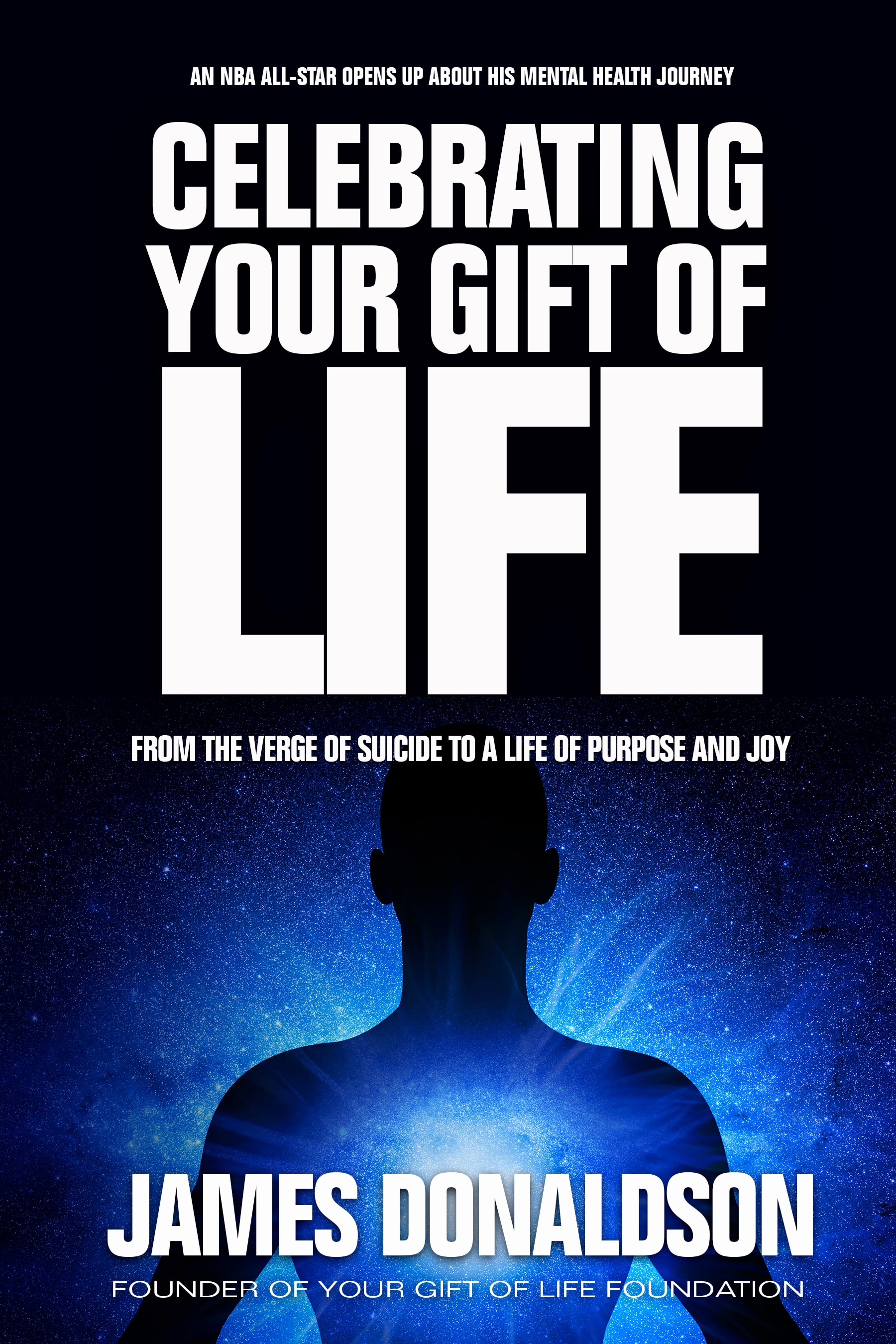
Celebrating Your Gift of Life
From the verge of suicide to a life of purpose and joy
Order & Get It Signed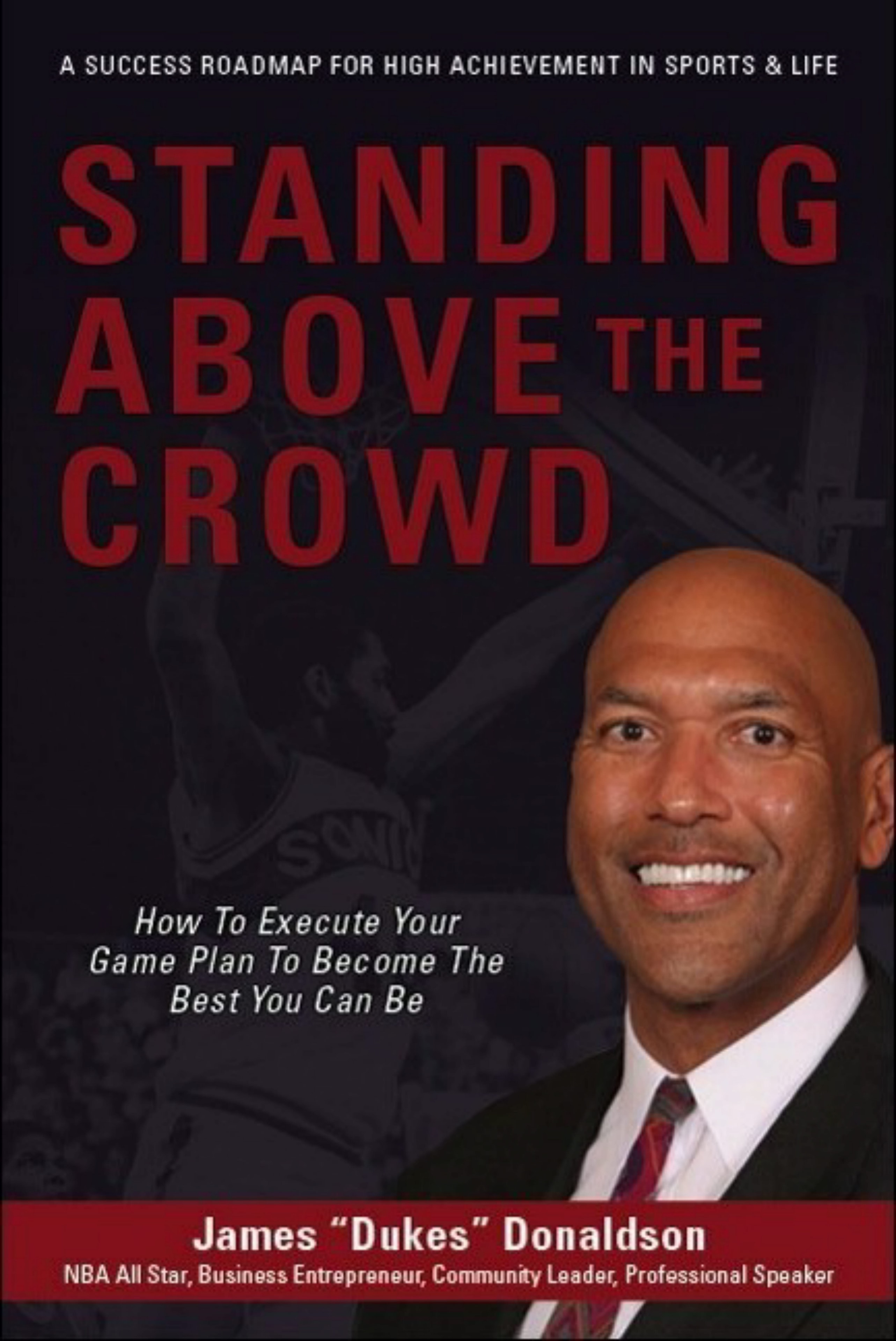
Standing Above the Crowd
Inspiring stories of resilience, hope, and mental wellness
Order & Get It Signed
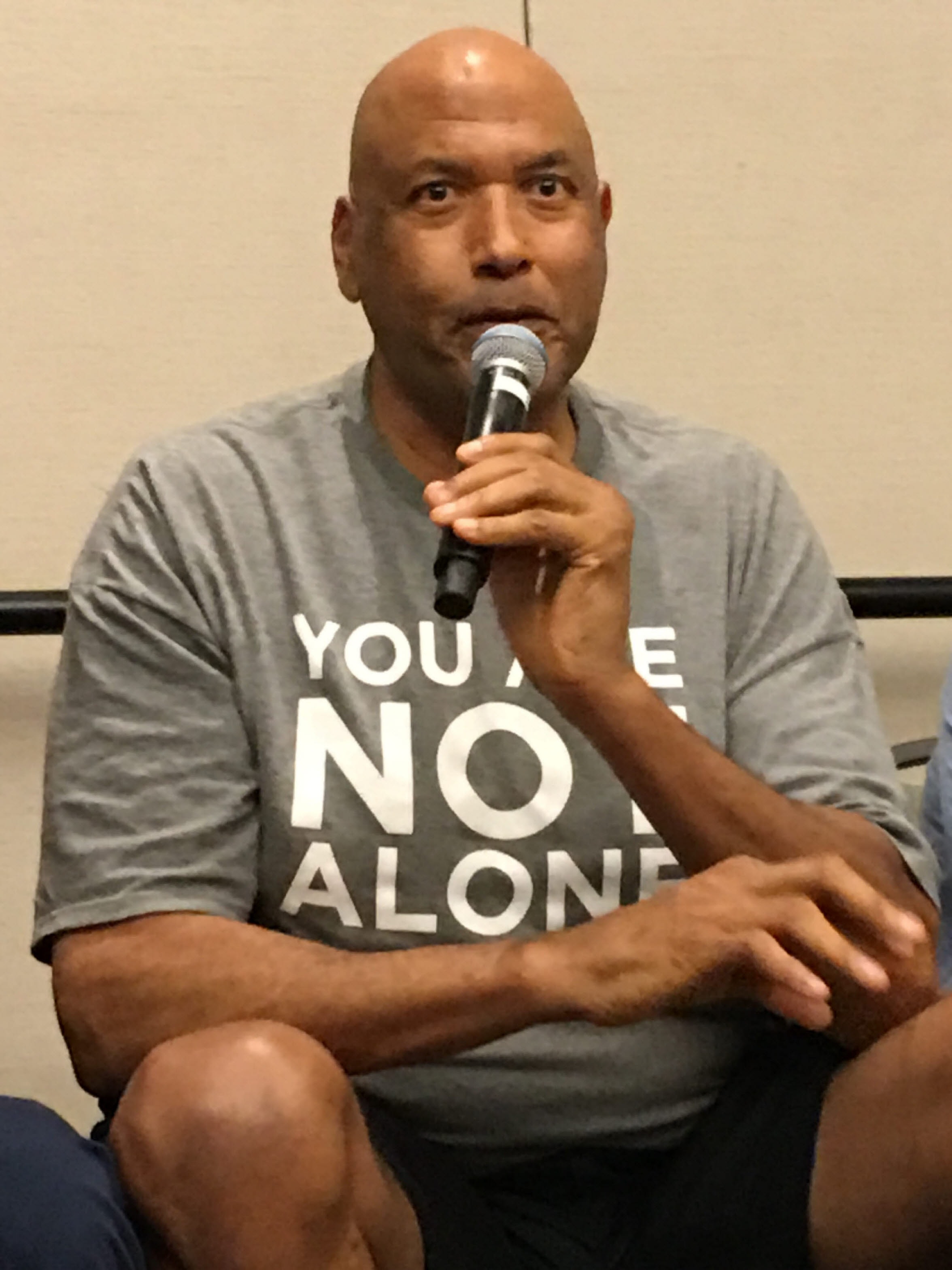
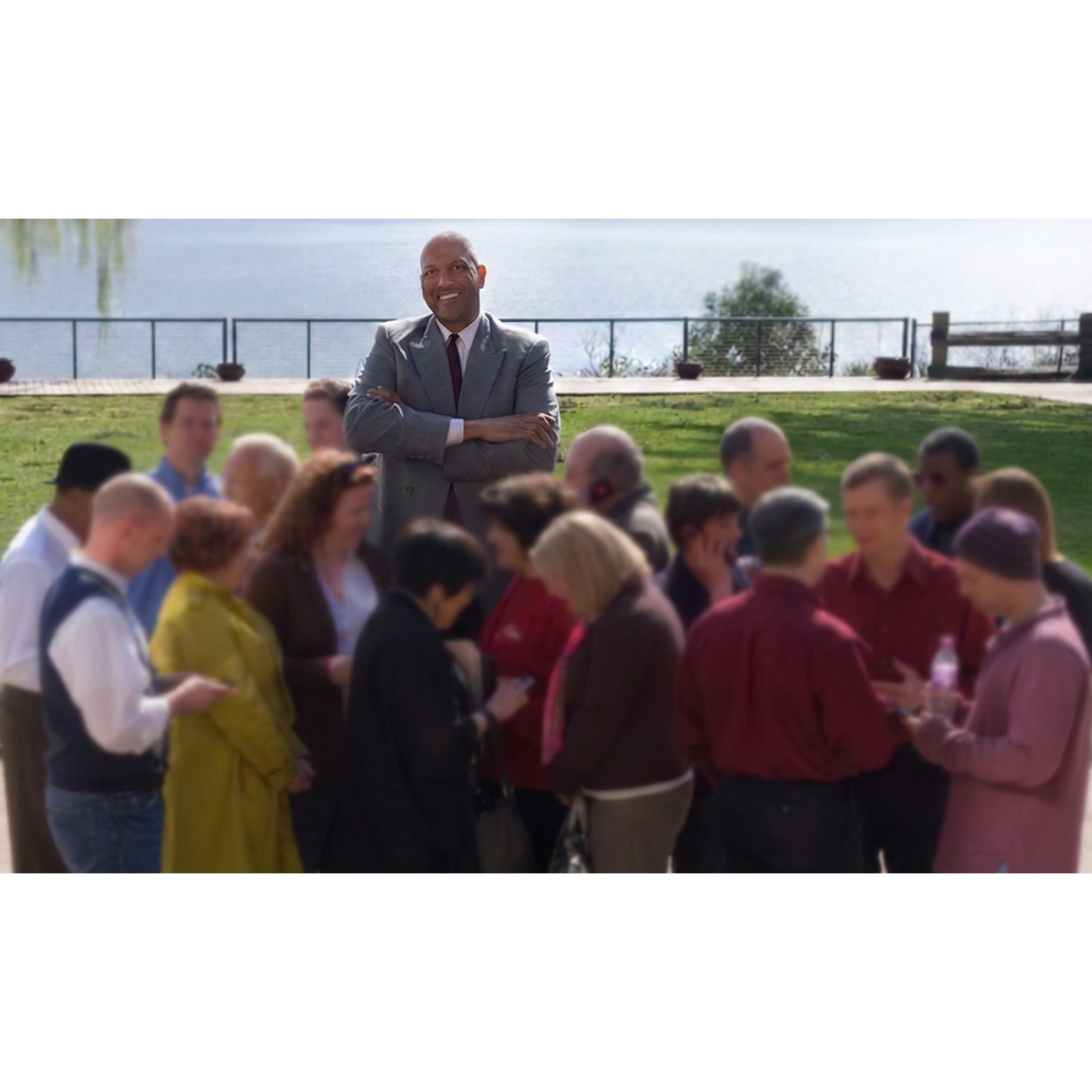
James Donaldson
Author, Speaker & Mental Health Advocate · Standing Above the Crowd
James Donaldson is a former NBA All-Star (1988, Dallas Mavericks) who played 20 years of professional basketball with the Seattle SuperSonics, L.A. Clippers, Dallas Mavericks, New York Knicks, Utah Jazz, and teams across Europe, before touring with the Harlem Globetrotters. A Washington State University graduate inducted into both the Pac-10 and WSU Athletic Halls of Fame, James went on to found The Donaldson Clinic, an outpatient physical therapy practice he operated for nearly three decades. Today he devotes his time to mental health awareness and suicide prevention — speaking to organizations, schools, and youth groups — and is the author of Standing Above the Crowd and Celebrating Your Gift of Life (2021). James recently relocated to the Dallas, TX area and believes deeply in being a role model of success and professionalism for the young people he serves.