9 min read

Well-meaning parents can accidentally make a child's anxiety worse. Here are ten research-backed strategies for helping children manage anxiety without reinforcing their fears.
One of the hardest things about watching a child struggle with anxiety is the instinct to protect them from whatever is causing the fear. It feels like the loving thing to do. But according to the Child Mind Institute, that instinct — when followed without guidance — can actually make anxiety worse over time.
I want to share ten research-backed strategies for helping children manage anxiety, because I believe that what we teach our children about facing hard things will shape them for the rest of their lives.
First: the goal is not to eliminate anxiety, but to help a child manage it. Anxiety is a normal part of life. The goal is to help children function well even when they are anxious — and as a byproduct of that, the anxiety will decrease over time.
Second: do not avoid things just because they make a child anxious. Avoidance provides short-term relief but reinforces the anxiety long-term. If a child gets upset in an uncomfortable situation and is immediately removed from it, they learn that avoidance works — and the cycle repeats.
Third: express positive but realistic expectations. You cannot promise a child that their fears are unrealistic. But you can express confidence that they will be okay and that they can handle it. This gives them something to hold onto.
Fourth: respect their feelings without empowering them. Validation does not mean agreement. The message you want to send is: 'I know you're scared, and that's okay, and I'm here, and I'm going to help you get through this.'
Fifth: do not ask leading questions. Instead of 'Are you anxious about the big test?' try 'How are you feeling about the science fair?' Open-ended questions invite honest answers without feeding the cycle of anxiety.
Sixth: do not reinforce the child's fears through your own tone or body language. If you are anxious about how your child will respond to a situation, be careful not to signal — even unintentionally — that they should be afraid.
Seventh: encourage the child to tolerate their anxiety. Let them know you appreciate the work it takes to face something scary. This is what researchers call the habituation curve — anxiety drops over time as a child continues to have contact with the stressor.
Eighth: keep the anticipatory period short. The hardest time is usually before we do the scary thing. Do not launch into a long discussion about a doctor's appointment two hours before you go — that just gives anxiety more time to build.
Ninth: think things through with the child. Sometimes it helps to talk through what would happen if their fear came true — and how they would handle it. Having a plan reduces uncertainty.
Tenth: model healthy ways of handling anxiety. Let your children see you manage stress calmly. You do not have to pretend you have no anxiety — just let them see you tolerate it and get through it.
I think about these principles in the context of my own journey. I had to learn — as an adult, in the darkest years of my life — how to face things I desperately wanted to avoid. It was hard. But it was the only way through. If we can teach our children these skills early, we give them a gift that will last a lifetime. And if you or your child ever needs immediate support, call or text 988 to reach the Suicide and Crisis Lifeline, available 24 hours a day.

From the Author
Order today and James will personally sign your copy — a meaningful keepsake from an NBA All-Star and mental health advocate.

Celebrating Your Gift of Life
From the verge of suicide to a life of purpose and joy
Order & Get It Signed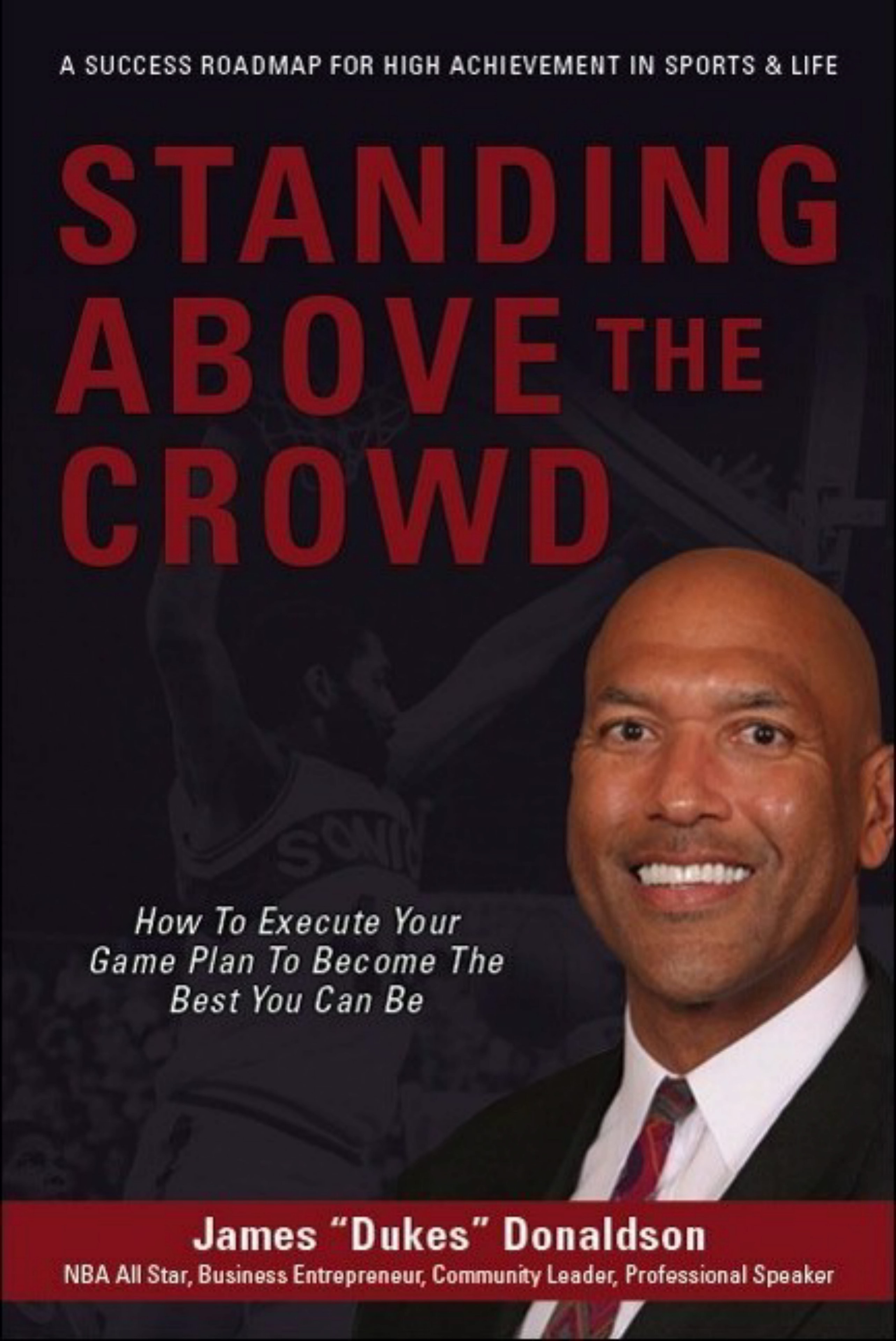
Standing Above the Crowd
Inspiring stories of resilience, hope, and mental wellness
Order & Get It Signed
James Donaldson
Author, Speaker & Mental Health Advocate · Standing Above the Crowd
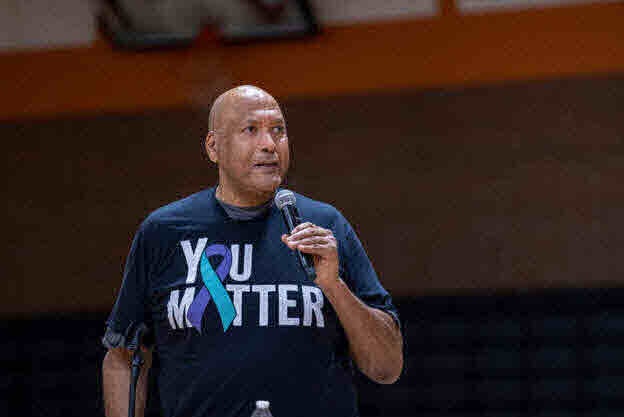
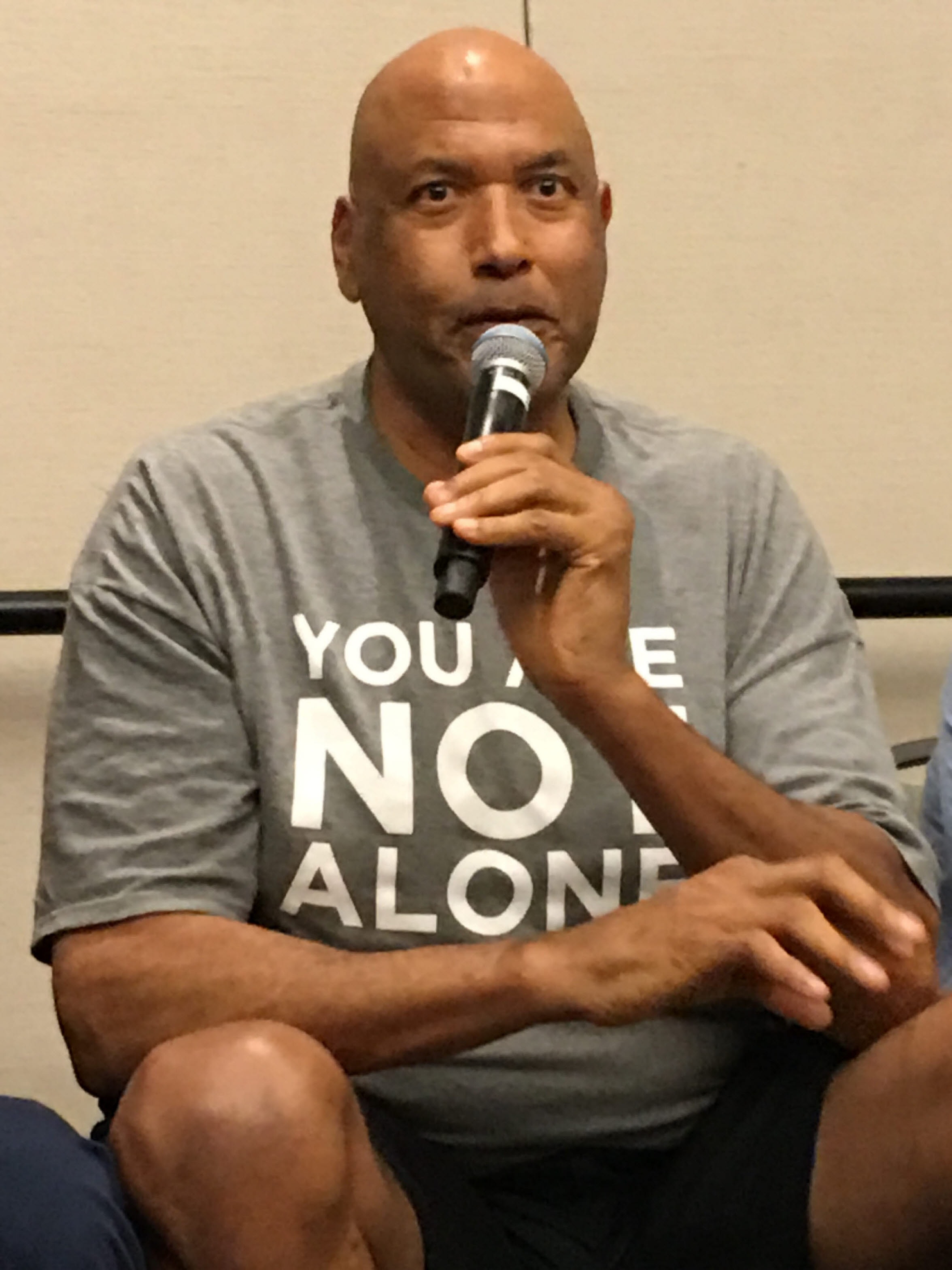
James Donaldson is a former NBA All-Star (1988, Dallas Mavericks) who played 20 years of professional basketball with the Seattle SuperSonics, L.A. Clippers, Dallas Mavericks, New York Knicks, Utah Jazz, and teams across Europe, before touring with the Harlem Globetrotters. A Washington State University graduate inducted into both the Pac-10 and WSU Athletic Halls of Fame, James went on to found The Donaldson Clinic, an outpatient physical therapy practice he operated for nearly three decades. Today he devotes his time to mental health awareness and suicide prevention — speaking to organizations, schools, and youth groups — and is the author of Standing Above the Crowd and Celebrating Your Gift of Life (2021). James recently relocated to the Dallas, TX area and believes deeply in being a role model of success and professionalism for the young people he serves.