9 min read
In today's fast-paced world, children are often caught in a whirlwind of activities, distractions, and digital noise.
In today's fast-paced world, children are often caught in a whirlwind of activities, distractions, and digital noise.
Teaching mindfulness to children can be a transformative tool in helping them navigate their emotions, focus on the present, and cultivate a sense of calm.
This blog post explores the benefits of mindfulness for children and provides practical tips on how to introduce these practices at home or in the classroom.
Benefits of Mindfulness for Children 3.
Simple Mindfulness Practices for Kids 4.
Incorporating Mindfulness in Daily Routine 5.
Overcoming Challenges in Teaching Mindfulness 6.
FAQs Introduction to Mindfulness Mindfulness is the practice of being fully present and engaged in the moment, without judgment.
It involves paying attention to thoughts, feelings, and sensations with openness and curiosity.
For children, mindfulness can be a fun and engaging way to learn about themselves and the world around them.
From the Author
Order today and James will personally sign your copy — a meaningful keepsake from an NBA All-Star and mental health advocate.
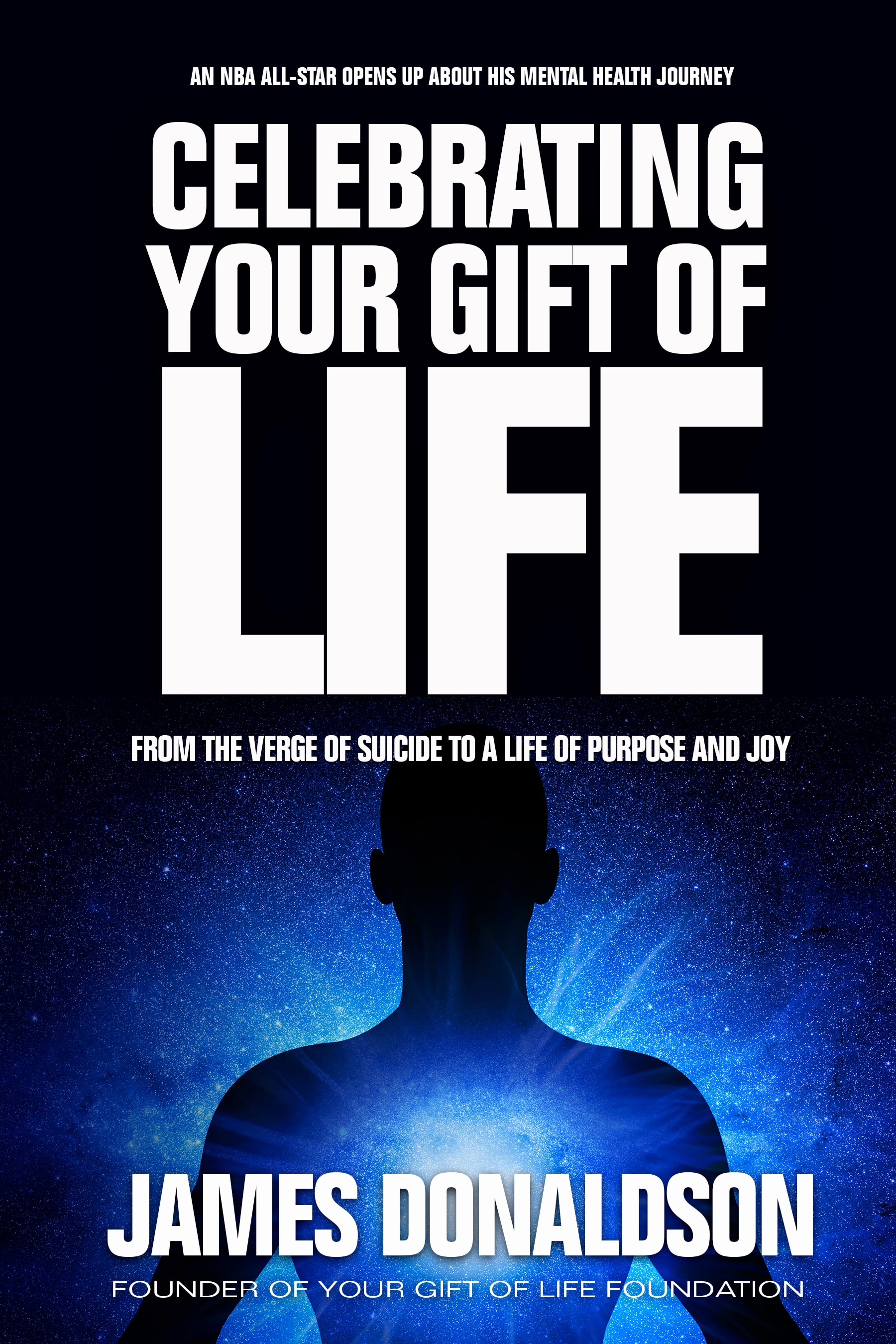
Celebrating Your Gift of Life
From the verge of suicide to a life of purpose and joy
Order & Get It Signed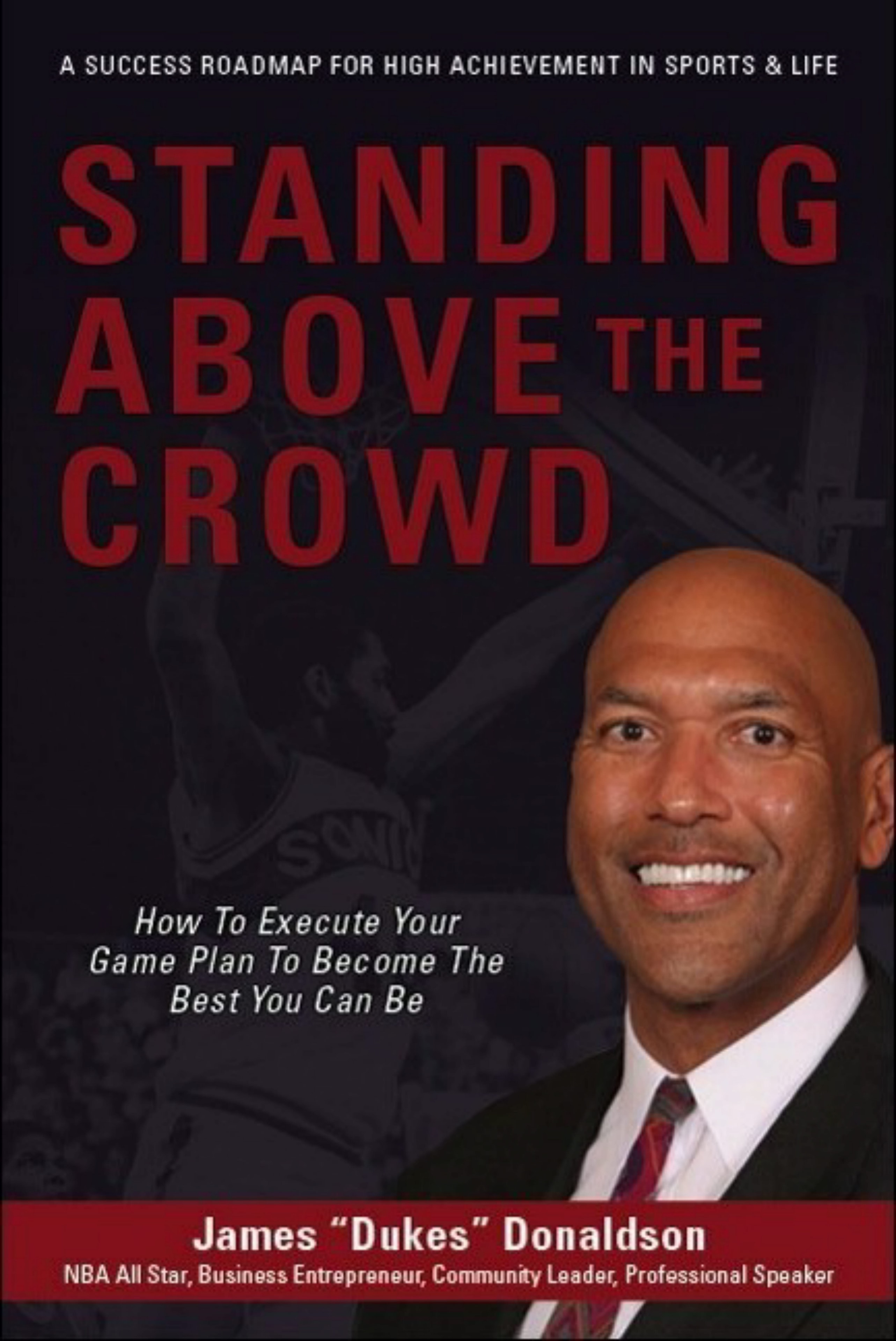
Standing Above the Crowd
Inspiring stories of resilience, hope, and mental wellness
Order & Get It Signed
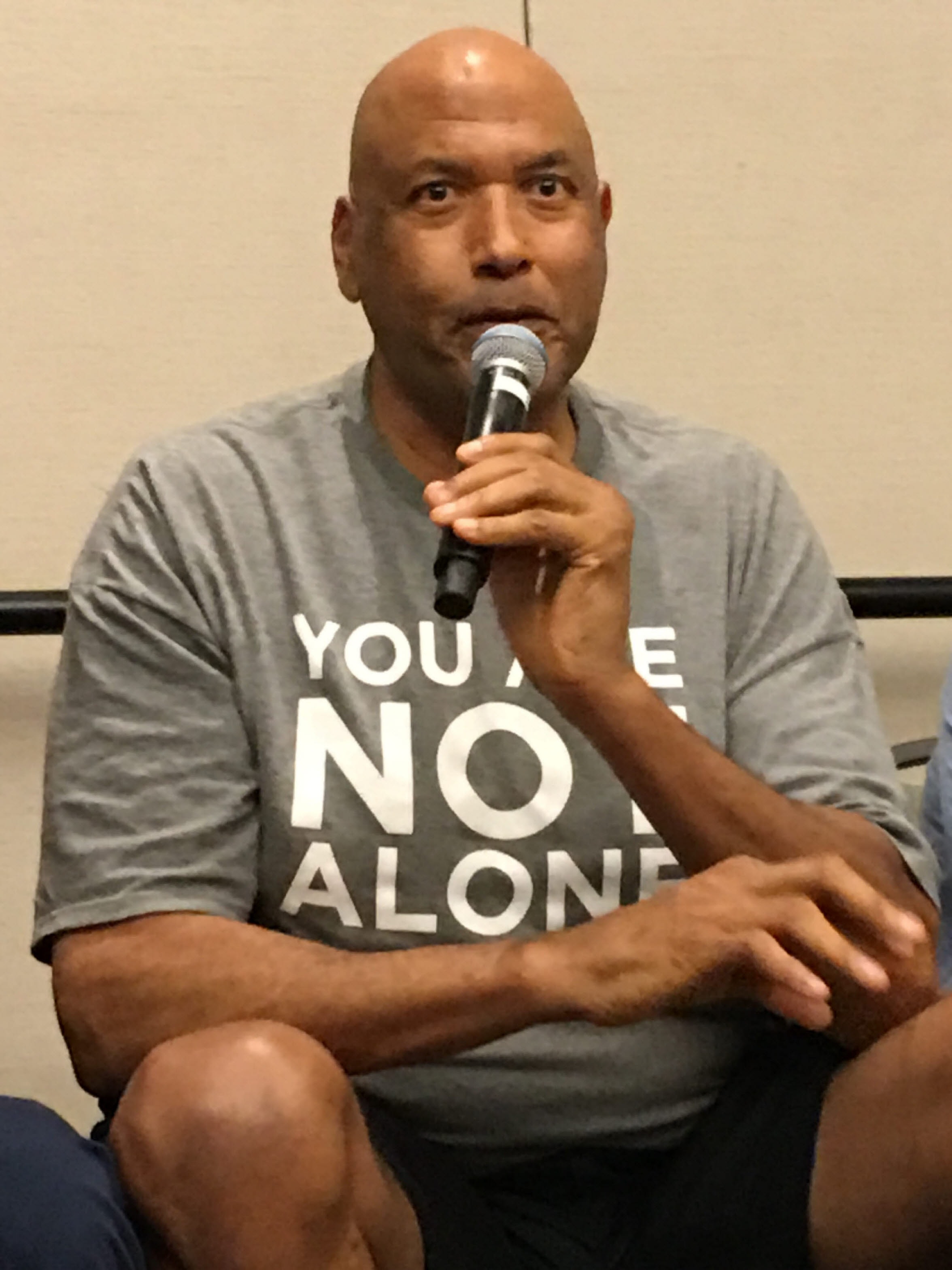
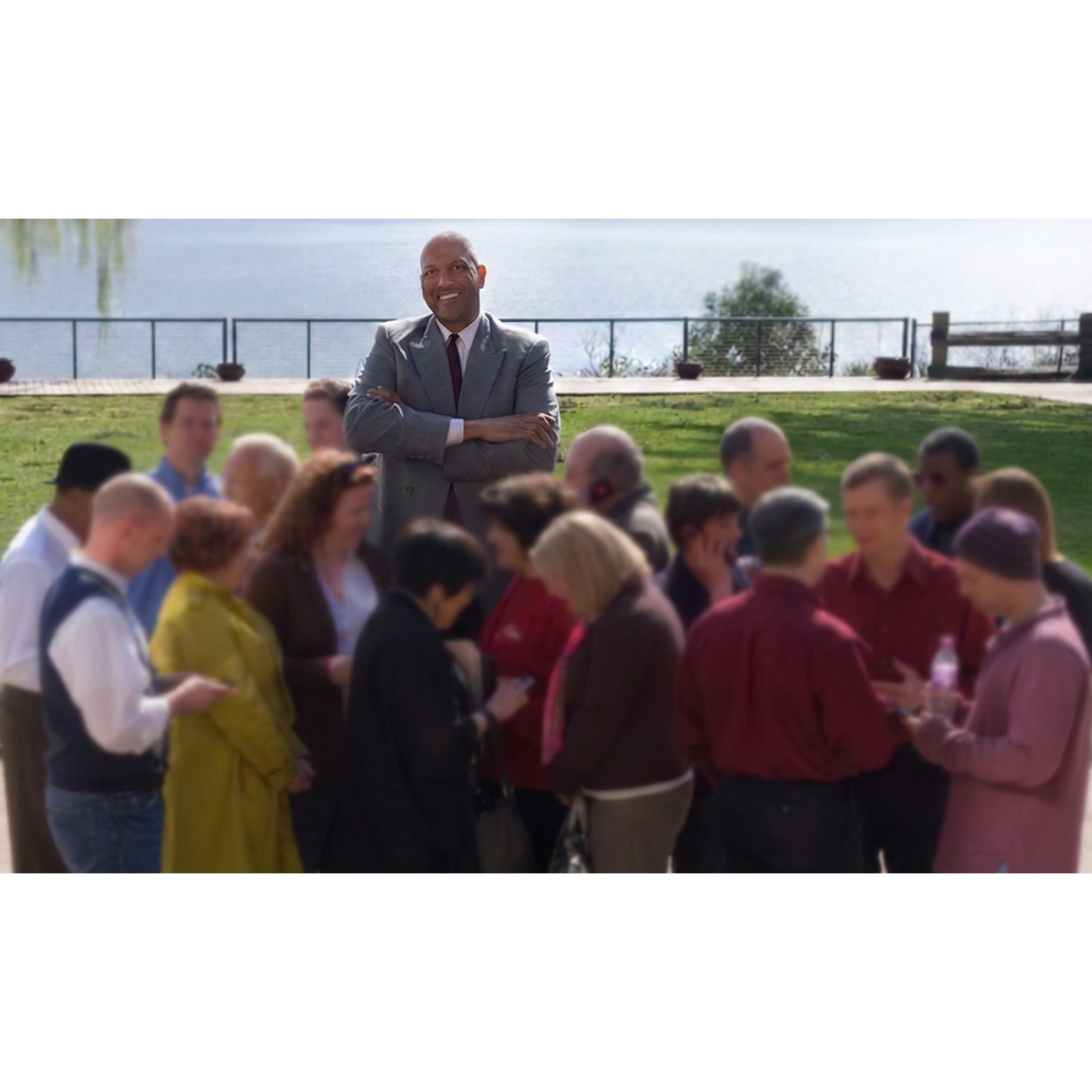
James Donaldson
Author, Speaker & Mental Health Advocate · Standing Above the Crowd
James Donaldson is a former NBA All-Star (1988, Dallas Mavericks) who played 20 years of professional basketball with the Seattle SuperSonics, L.A. Clippers, Dallas Mavericks, New York Knicks, Utah Jazz, and teams across Europe, before touring with the Harlem Globetrotters. A Washington State University graduate inducted into both the Pac-10 and WSU Athletic Halls of Fame, James went on to found The Donaldson Clinic, an outpatient physical therapy practice he operated for nearly three decades. Today he devotes his time to mental health awareness and suicide prevention — speaking to organizations, schools, and youth groups — and is the author of Standing Above the Crowd and Celebrating Your Gift of Life (2021). James recently relocated to the Dallas, TX area and believes deeply in being a role model of success and professionalism for the young people he serves.