9 min read
Decades of research confirm what we've always known in our bones: human beings need each other. Community is not a luxury — it is medicine.
In 2023, U.S. Surgeon General Dr. Vivek Murthy issued an advisory declaring loneliness and isolation a public health epidemic. He noted that Americans have fewer close friends, spend less time with others, and report feeling more disconnected than at any point in recent history. The health consequences are severe: chronic loneliness is associated with a 26 percent increased risk of premature death — comparable to smoking 15 cigarettes a day.
I have seen this play out in my own life and in the lives of the people I work with. When I was at my lowest points — after my NBA career ended, during periods of personal struggle — what pulled me through was not willpower or self-help books. It was people. Friends who showed up. Community members who checked in. A faith community that held me.
The research on community and mental health is unambiguous. Social connection is one of the strongest protective factors against depression, anxiety, and suicide. People with strong social ties recover faster from illness, manage stress more effectively, and live longer. The quality of our relationships is one of the most powerful determinants of our wellbeing.
But building community in modern life is genuinely hard. We move frequently. We work long hours. We interact through screens. Many of the institutions that once provided automatic community — churches, civic organizations, neighborhood associations — have declined. Building meaningful connection now requires intentional effort.
What does that effort look like? It starts small. Saying hello to a neighbor. Joining a group organized around something you care about — a sport, a hobby, a cause. Showing up consistently, even when it's inconvenient. Being willing to be known, not just seen.
For those who are isolated, the first step is often the hardest. Depression and anxiety make social engagement feel impossible. If that's where you are, start with one connection — one person, one group, one conversation. Community is built one relationship at a time.
We were not designed to go through life alone. Reaching out is not weakness — it is wisdom. And it might be the most important thing you do for your mental health this year.
From the Author
Order today and James will personally sign your copy — a meaningful keepsake from an NBA All-Star and mental health advocate.
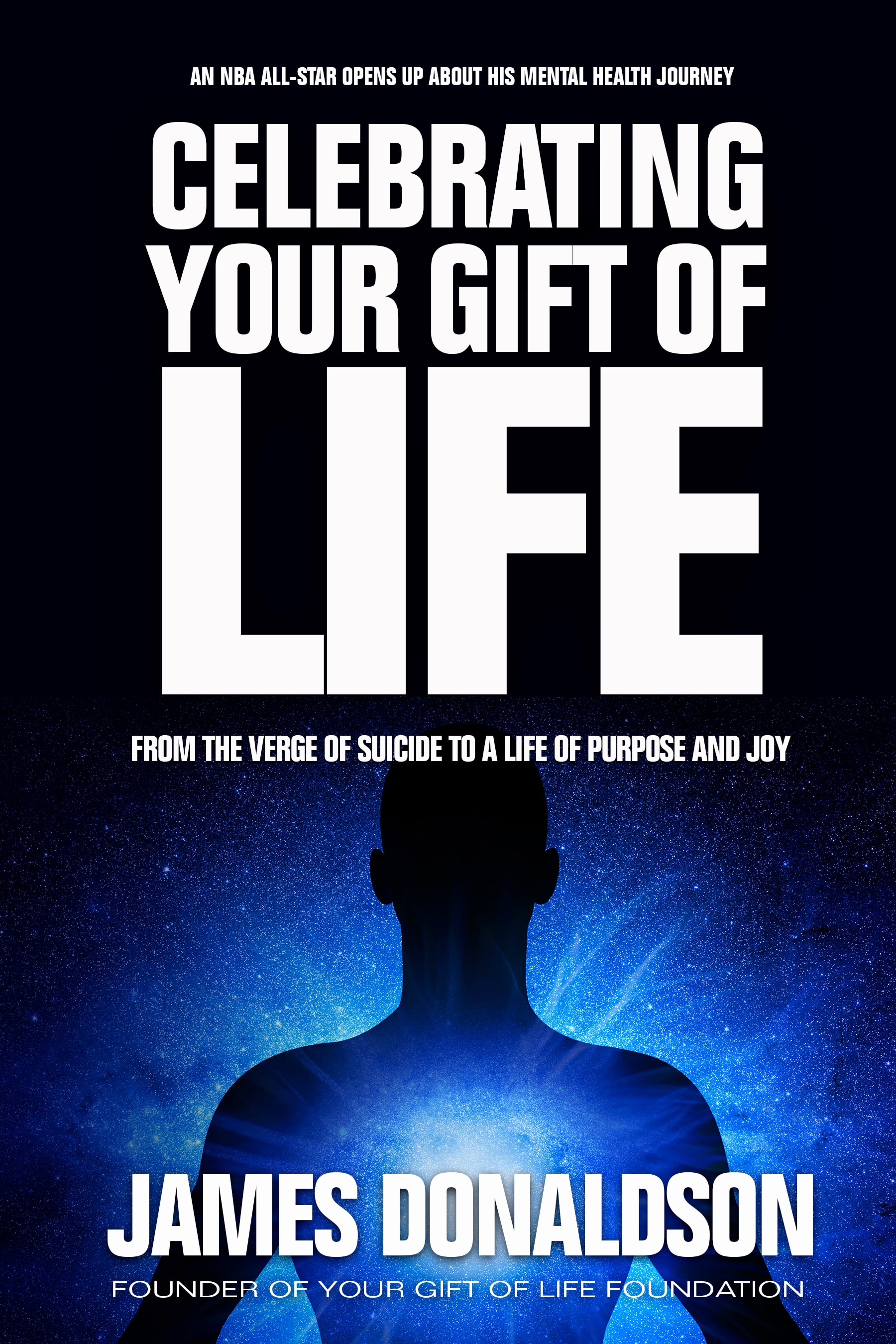
Celebrating Your Gift of Life
From the verge of suicide to a life of purpose and joy
Order & Get It Signed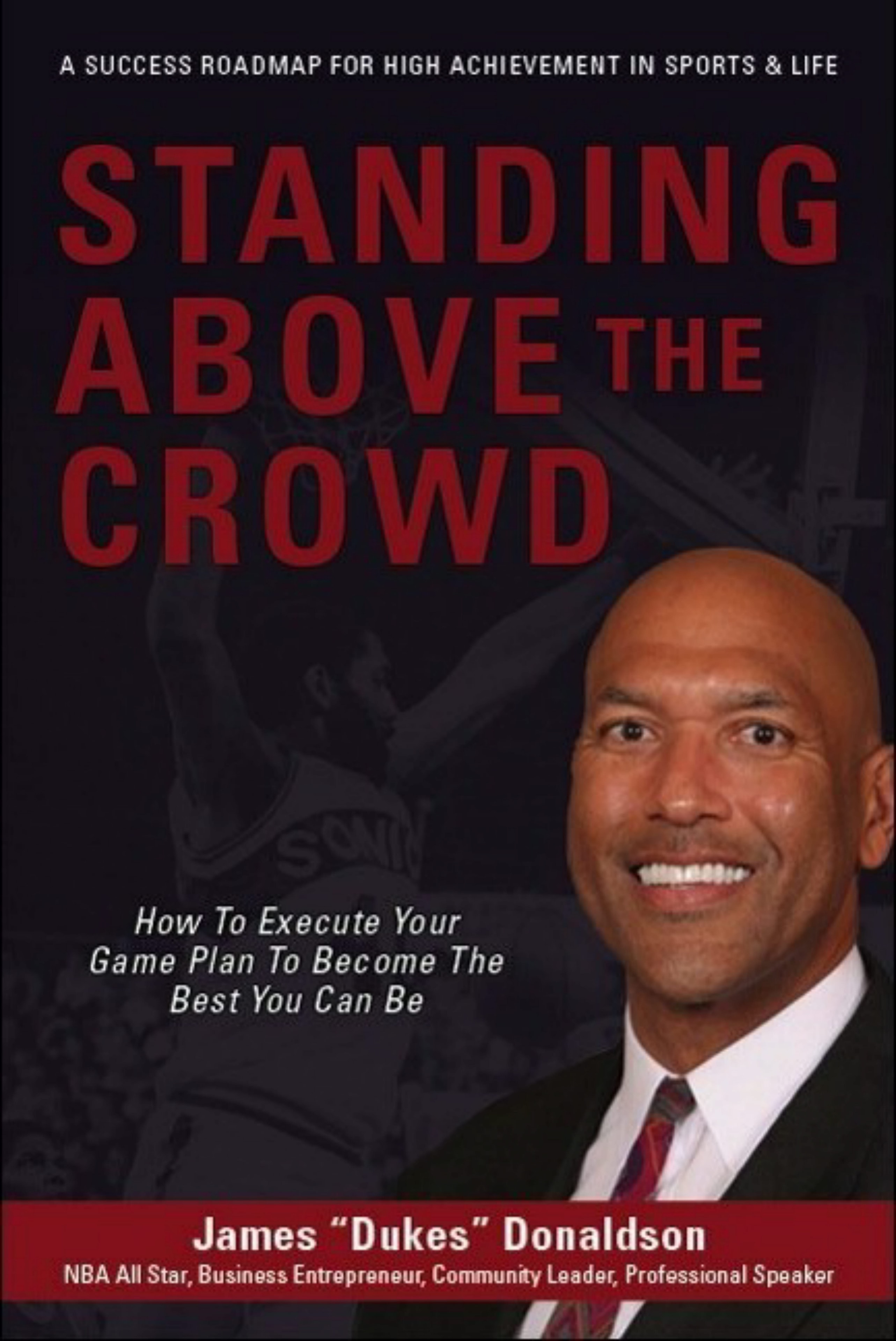
Standing Above the Crowd
Inspiring stories of resilience, hope, and mental wellness
Order & Get It Signed
James Donaldson
Author, Speaker & Mental Health Advocate · Standing Above the Crowd
James Donaldson is a former NBA All-Star (1988, Dallas Mavericks) who played 20 years of professional basketball with the Seattle SuperSonics, L.A. Clippers, Dallas Mavericks, New York Knicks, Utah Jazz, and teams across Europe, before touring with the Harlem Globetrotters. A Washington State University graduate inducted into both the Pac-10 and WSU Athletic Halls of Fame, James went on to found The Donaldson Clinic, an outpatient physical therapy practice he operated for nearly three decades. Today he devotes his time to mental health awareness and suicide prevention — speaking to organizations, schools, and youth groups — and is the author of Standing Above the Crowd and Celebrating Your Gift of Life (2021). James recently relocated to the Dallas, TX area and believes deeply in being a role model of success and professionalism for the young people he serves.