6 min read

The amount of time teenagers typically spend on phones and other devices can be misleading as a measure of whether they are unhealthily engaged.
The amount of time teenagers typically spend on phones and other devices can be misleading as a measure of whether they are unhealthily engaged.
That’s because many of the things kids do on those devices are age-appropriate activities that in the past have been done offline: socializing with peers, exploring personal interests, shopping, listening to music, doing schoolwork, watching movies or TV.
Texting and use of social media sites, for instance, have become important channels for adolescents connecting to others and being validated.
Role-playing games allow kids to interact not only with friends, but to people around the world.
A 2016 report by Common Sense Media concluded: “What looks like excessive use and distraction is actually a reflection of new ways of maintaining peer relations and engaging in communities that are relevant to them.” Is it masking a mental health disorder?
When a child seems unhealthily focused on video games, to the point of social isolation, the behavior may be, rather than addiction, a product of other mental health problems.
Anderson reports that he finds himself saying to parents, “We understand your hypothesis that your kid is addicted to games, but it may be that he is socially anxious.
It may be that he is depressed.
It may be that he has a learning disorder.
Anderson recalls treating a 16-year-old whose mother was adamant that he was addicted to video games.
From the Author
Order today and James will personally sign your copy — a meaningful keepsake from an NBA All-Star and mental health advocate.
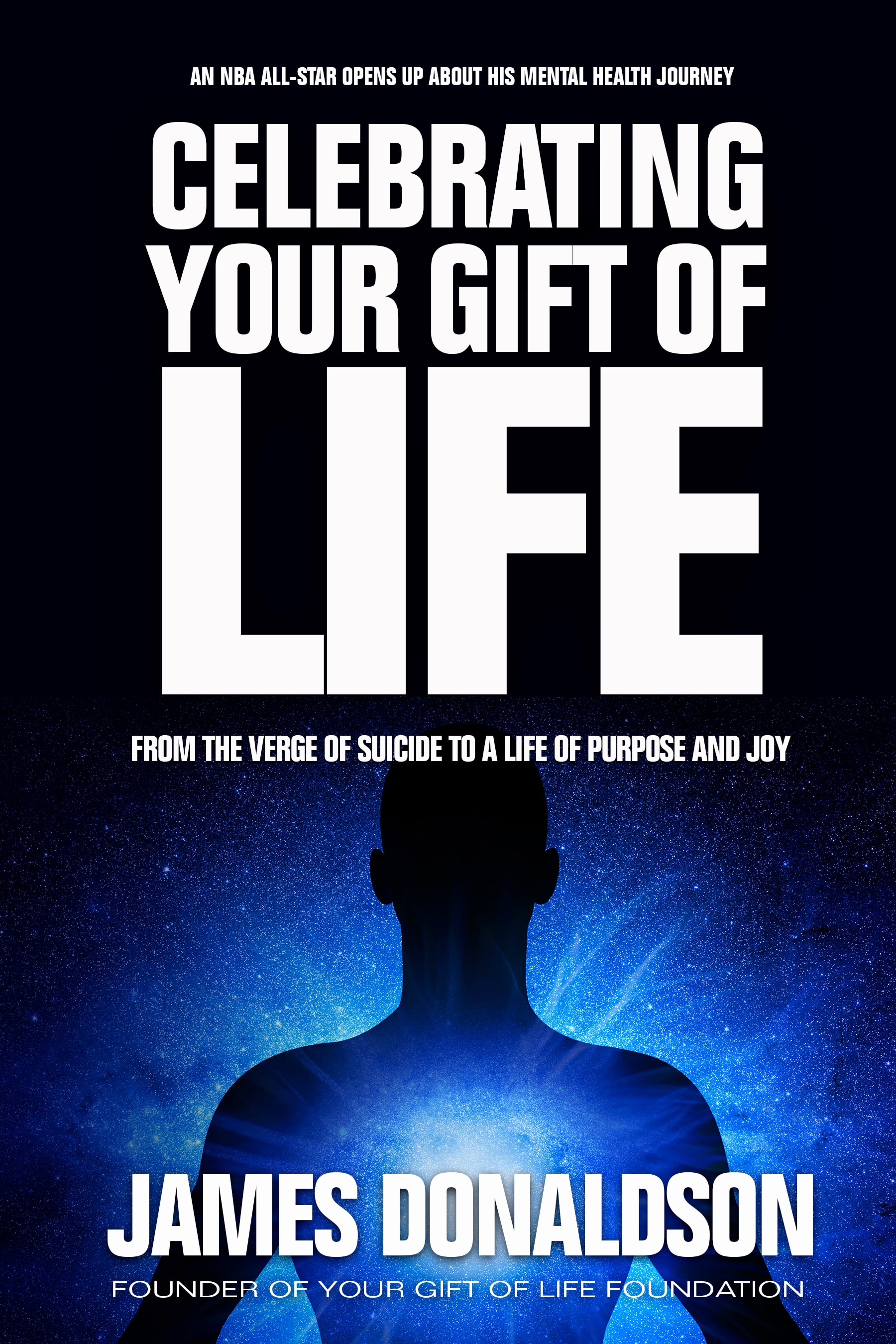
Celebrating Your Gift of Life
From the verge of suicide to a life of purpose and joy
Order & Get It Signed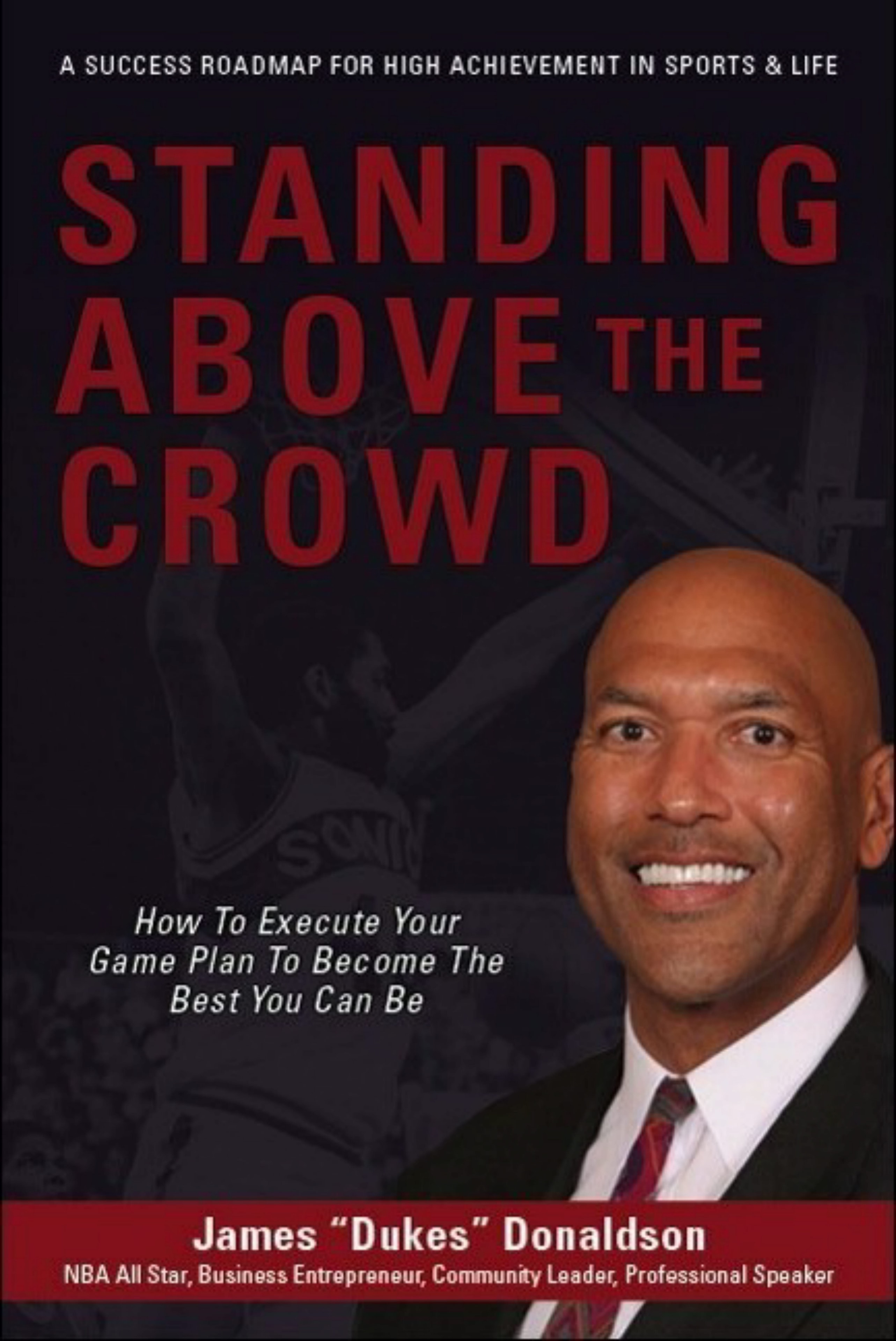
Standing Above the Crowd
Inspiring stories of resilience, hope, and mental wellness
Order & Get It Signed
James Donaldson
Author, Speaker & Mental Health Advocate · Standing Above the Crowd
James Donaldson is a former NBA All-Star (1988, Dallas Mavericks) who played 20 years of professional basketball with the Seattle SuperSonics, L.A. Clippers, Dallas Mavericks, New York Knicks, Utah Jazz, and teams across Europe, before touring with the Harlem Globetrotters. A Washington State University graduate inducted into both the Pac-10 and WSU Athletic Halls of Fame, James went on to found The Donaldson Clinic, an outpatient physical therapy practice he operated for nearly three decades. Today he devotes his time to mental health awareness and suicide prevention — speaking to organizations, schools, and youth groups — and is the author of Standing Above the Crowd and Celebrating Your Gift of Life (2021). James recently relocated to the Dallas, TX area and believes deeply in being a role model of success and professionalism for the young people he serves.