6 min read

The relationship between social media use and teen mental health is real — but it's more complicated than the headlines suggest.
Barely a week goes by without a new headline warning that social media is destroying an entire generation. And there is real cause for concern — rates of anxiety, depression, and loneliness among teenagers have risen sharply over the same period that smartphones became ubiquitous. But the relationship between social media and mental health is more complicated than the headlines suggest.
The research is genuinely mixed. Some studies show a clear correlation between heavy social media use and increased rates of depression and anxiety, particularly among teenage girls. Others find no significant relationship, or even modest benefits — particularly for LGBTQ+ youth who use online communities to find connection and support they can't access in their immediate environment.
What seems to matter most is not how much time teens spend on social media, but how they use it. Passive scrolling — consuming content without interacting — is more consistently associated with negative outcomes than active use, such as messaging friends or participating in communities. Comparison is a key mechanism: when teens spend hours looking at curated images of other people's lives, bodies, and achievements, it can fuel feelings of inadequacy.
There is also the question of what social media displaces. Time spent scrolling is time not spent sleeping, exercising, spending time in person with friends, or engaging in activities that build genuine competence and connection. For many teenagers, the opportunity cost is significant.
What can parents do? Experts generally recommend delaying smartphone access as long as possible, keeping devices out of bedrooms at night, and having ongoing conversations about what teens are seeing and experiencing online. The goal is not to eliminate social media — for many teens, it is a genuine source of connection — but to help young people develop a healthy relationship with it.
Schools and policymakers are also beginning to act. Several states have passed or are considering legislation restricting smartphone use during school hours. The evidence on these policies is still emerging, but early results are promising.
The bottom line: social media is not the sole cause of the youth mental health crisis, but it is a contributing factor for many young people. Taking it seriously — without panic or dismissal — is the right approach.
From the Author
Order today and James will personally sign your copy — a meaningful keepsake from an NBA All-Star and mental health advocate.
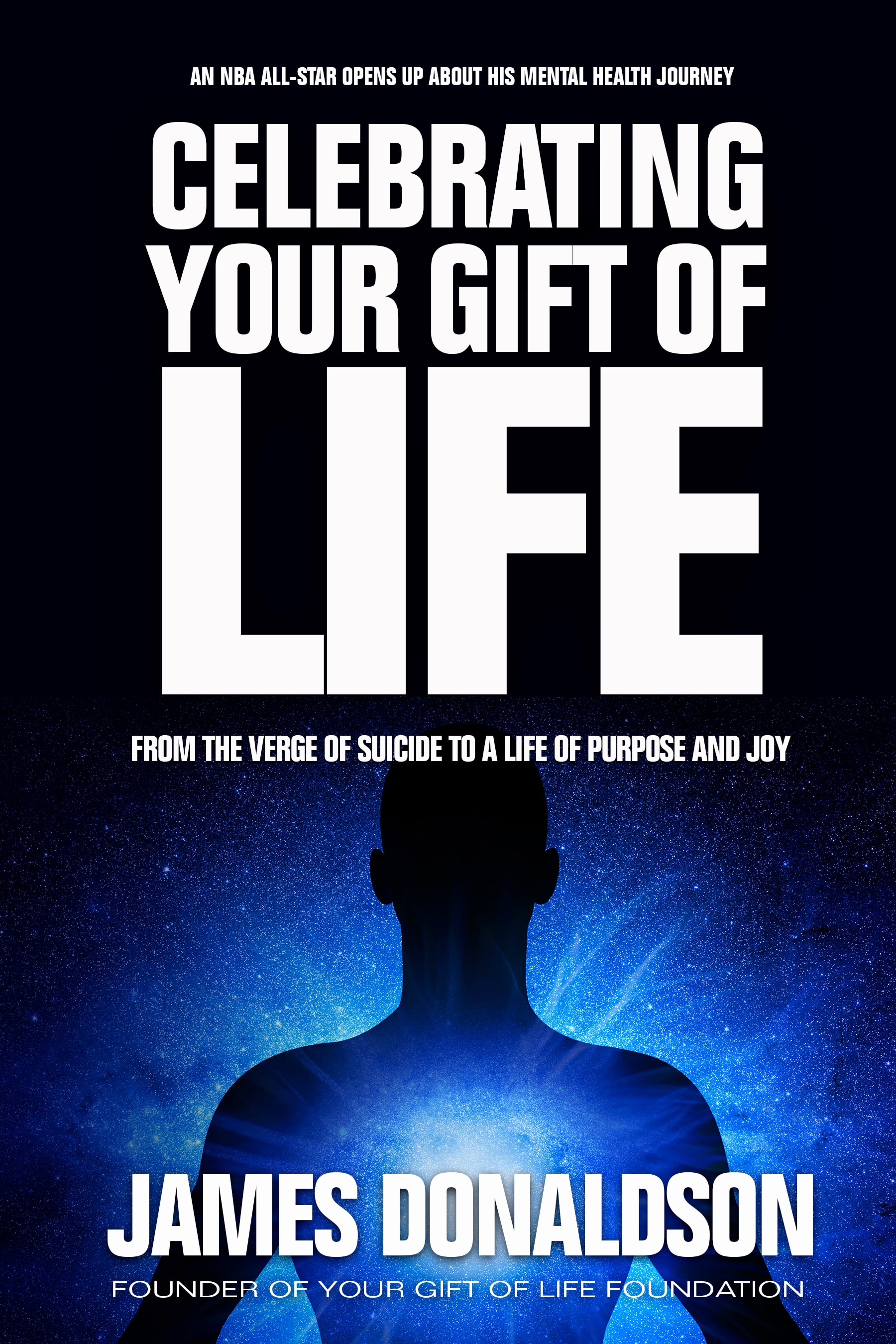
Celebrating Your Gift of Life
From the verge of suicide to a life of purpose and joy
Order & Get It Signed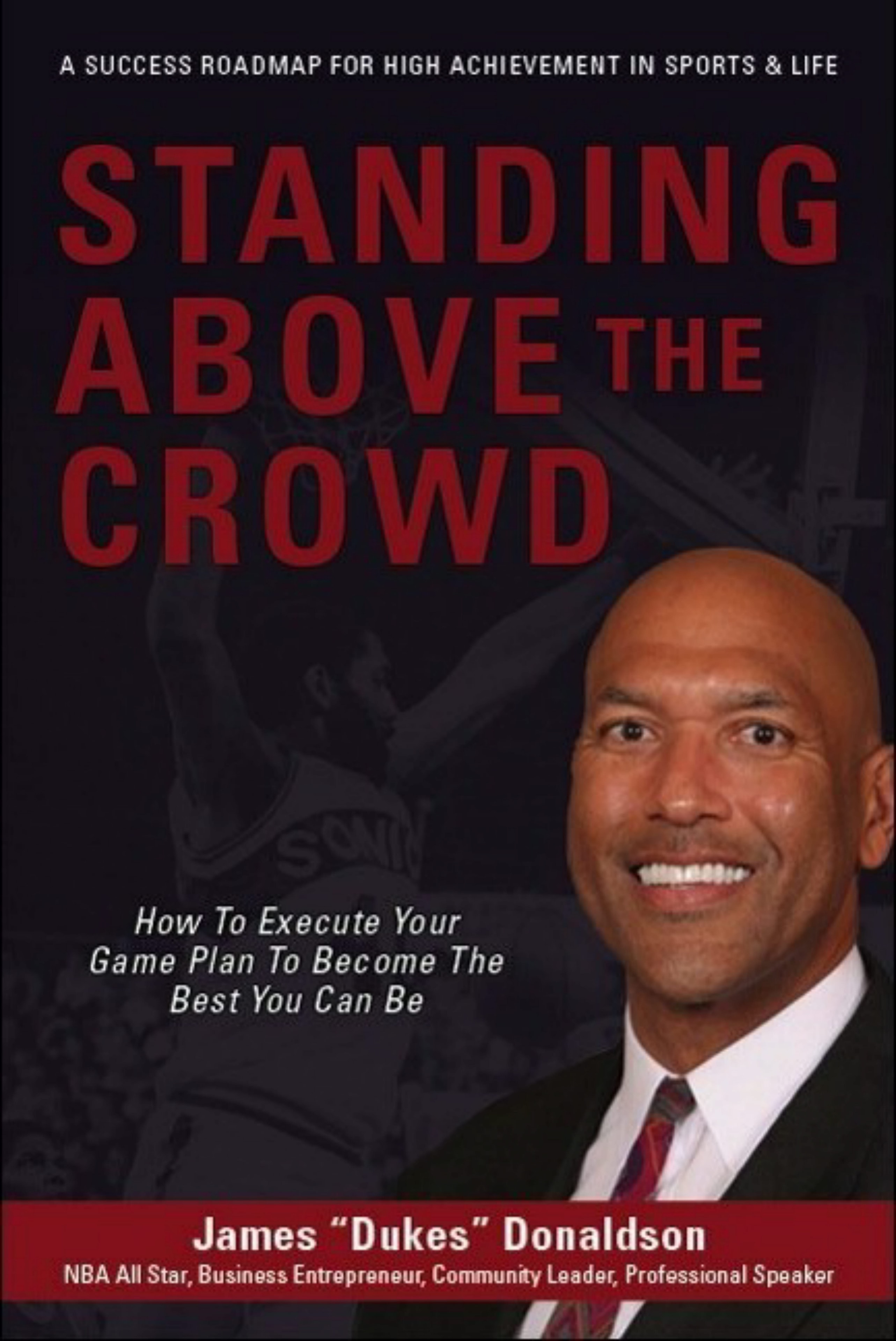
Standing Above the Crowd
Inspiring stories of resilience, hope, and mental wellness
Order & Get It Signed
James Donaldson
Author, Speaker & Mental Health Advocate · Standing Above the Crowd
James Donaldson is a former NBA All-Star (1988, Dallas Mavericks) who played 20 years of professional basketball with the Seattle SuperSonics, L.A. Clippers, Dallas Mavericks, New York Knicks, Utah Jazz, and teams across Europe, before touring with the Harlem Globetrotters. A Washington State University graduate inducted into both the Pac-10 and WSU Athletic Halls of Fame, James went on to found The Donaldson Clinic, an outpatient physical therapy practice he operated for nearly three decades. Today he devotes his time to mental health awareness and suicide prevention — speaking to organizations, schools, and youth groups — and is the author of Standing Above the Crowd and Celebrating Your Gift of Life (2021). James recently relocated to the Dallas, TX area and believes deeply in being a role model of success and professionalism for the young people he serves.