3 min read

Exercise is one of the most evidence-based interventions for depression and anxiety that exists. And you don't need a gym membership to benefit.
I have been an athlete my entire life. But it wasn't until I started paying attention to my mental health that I truly understood what movement was doing for my mind. On the days I exercise, I am calmer, clearer, and more resilient. On the days I don't, I notice the difference. The research backs this up in ways that are hard to overstate.
A landmark meta-analysis published in the British Journal of Sports Medicine in 2023 analyzed 97 reviews covering more than 1,000 trials and 128,000 participants. The conclusion: physical activity is 1.5 times more effective at reducing mild to moderate symptoms of depression, anxiety, and psychological distress than medication or cognitive behavioral therapy alone.
The mechanisms are well understood. Exercise increases the production of endorphins, serotonin, dopamine, and norepinephrine — the same neurotransmitters targeted by antidepressant medications. It reduces levels of cortisol, the body's primary stress hormone. It promotes neuroplasticity, the brain's ability to form new connections. And it improves sleep, which is itself a powerful regulator of mood.
You don't need a gym membership or an intense workout regimen to benefit. Research shows that even a 10-minute walk can produce measurable improvements in mood. The key is consistency. Three to five sessions per week of moderate-intensity activity — brisk walking, cycling, swimming, dancing — appears to be the sweet spot for mental health benefits.
For people dealing with depression, getting started is often the hardest part. Depression saps motivation and energy, making even small tasks feel overwhelming. If that's where you are, start with the smallest possible step: a five-minute walk around the block. Don't aim for transformation — aim for movement. The momentum builds from there.
Exercise is not a replacement for professional mental health care when it's needed. But it is a powerful complement to therapy and medication, and for many people with mild to moderate symptoms, it can be a primary intervention. If you're not already moving your body regularly, consider this your invitation to start.
From the Author
Order today and James will personally sign your copy — a meaningful keepsake from an NBA All-Star and mental health advocate.
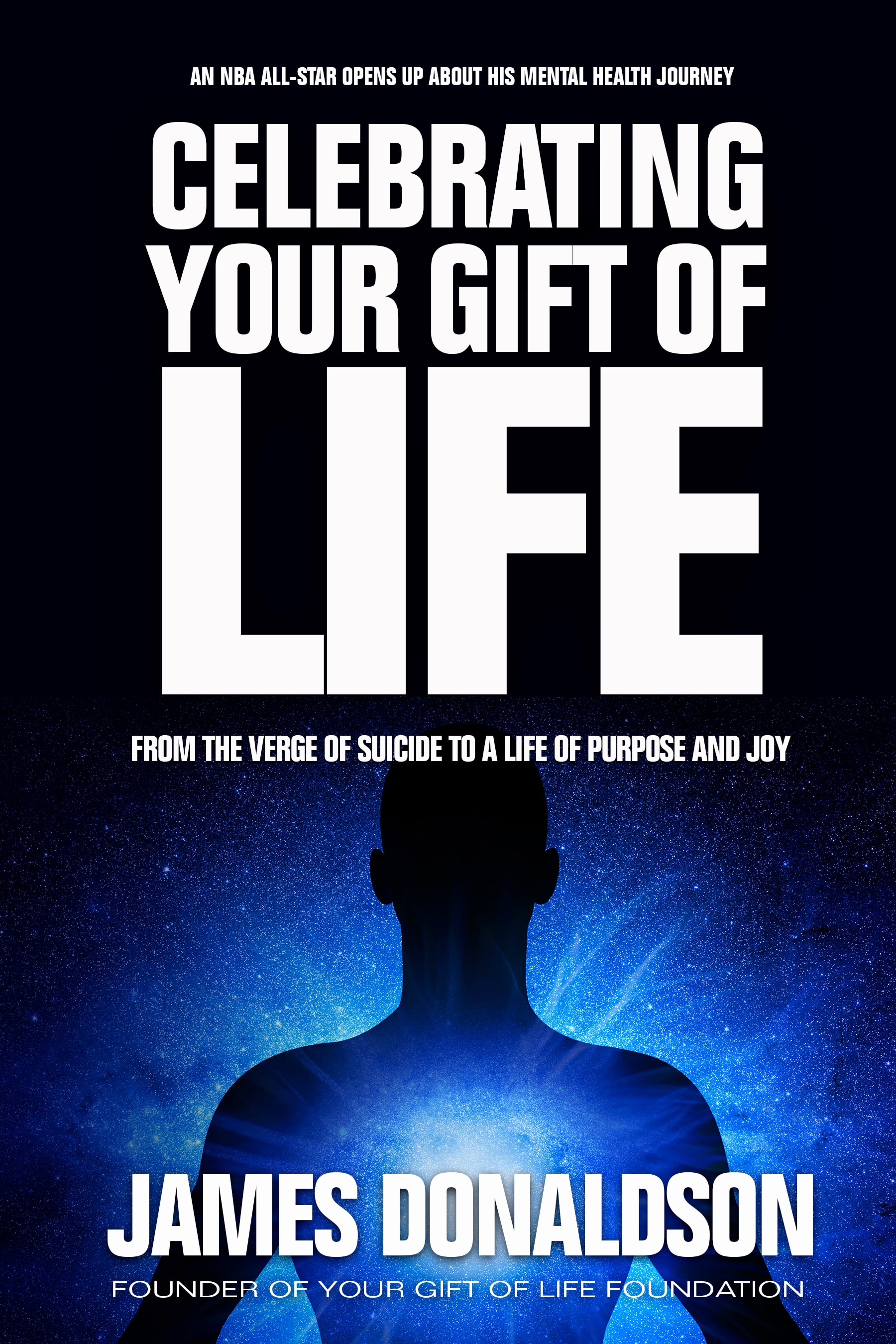
Celebrating Your Gift of Life
From the verge of suicide to a life of purpose and joy
Order & Get It Signed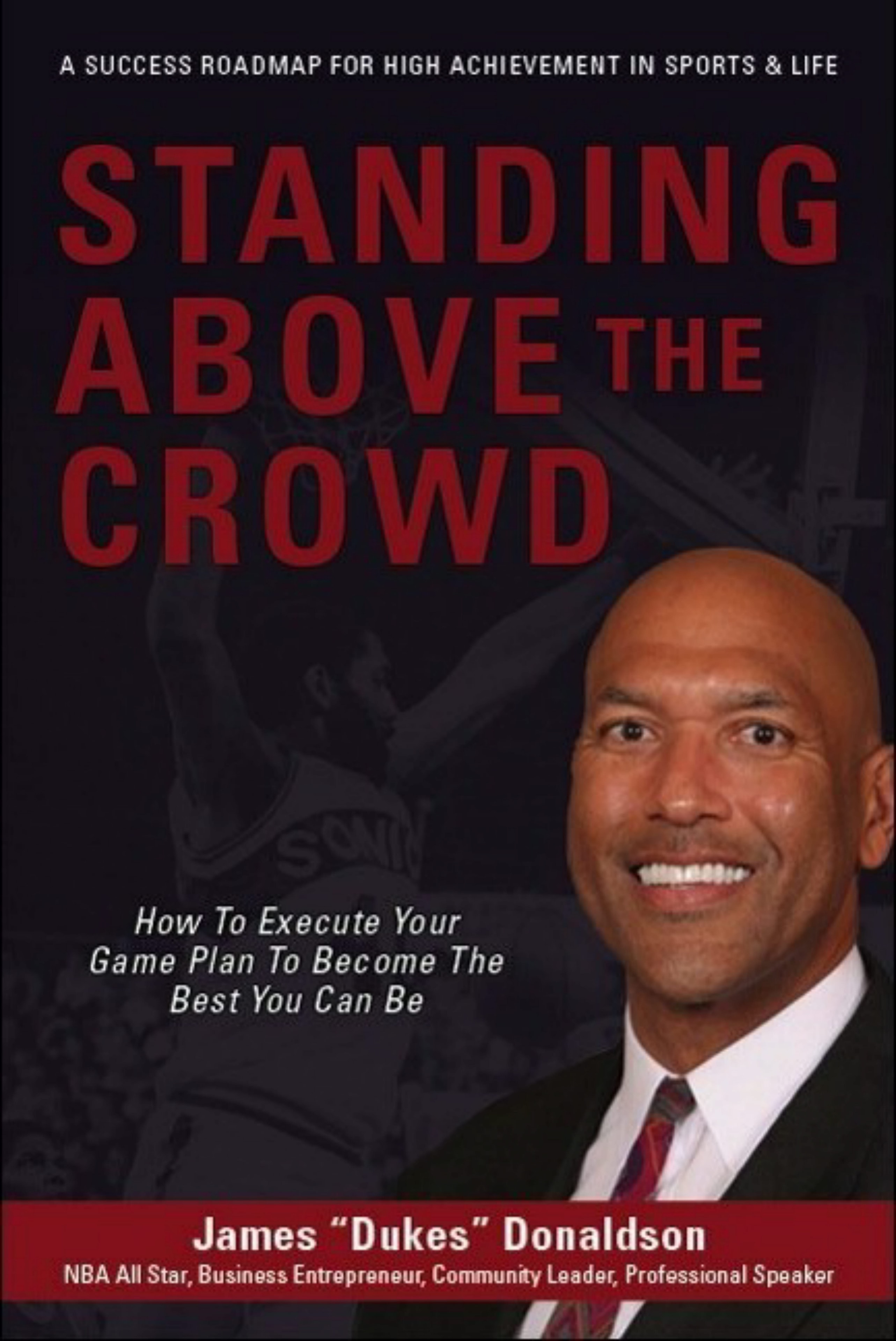
Standing Above the Crowd
Inspiring stories of resilience, hope, and mental wellness
Order & Get It Signed
James Donaldson
Author, Speaker & Mental Health Advocate · Standing Above the Crowd
James Donaldson is a former NBA All-Star (1988, Dallas Mavericks) who played 20 years of professional basketball with the Seattle SuperSonics, L.A. Clippers, Dallas Mavericks, New York Knicks, Utah Jazz, and teams across Europe, before touring with the Harlem Globetrotters. A Washington State University graduate inducted into both the Pac-10 and WSU Athletic Halls of Fame, James went on to found The Donaldson Clinic, an outpatient physical therapy practice he operated for nearly three decades. Today he devotes his time to mental health awareness and suicide prevention — speaking to organizations, schools, and youth groups — and is the author of Standing Above the Crowd and Celebrating Your Gift of Life (2021). James recently relocated to the Dallas, TX area and believes deeply in being a role model of success and professionalism for the young people he serves.