6 min read

Treatmen t While medication has for many years been the first-line treatment for bipolar disorder, over the last several decades specialized forms of psychotherapy have been developed to work alongsid
Treatmen t While medication has for many years been the first-line treatment for bipolar disorder, over the last several decades specialized forms of psychotherapy have been developed to work alongside medication.
Research shows that the most effective treatment for bipolar disorder combines medication and psychotherapy.
Medication: The go-to treatment for bipolar disorder is usually a group of medications called mood stabilizers, including lithium and some drugs called anticonvulsants.
Mood stabilizers are generally effective at treating manic symptoms and lowering the frequency and severity of both manic and depressive episodes.
But the depression is tougher to treat than the mania, and antidepressants are sometimes added to treat bipolar depression.
Given alone, antidepressants can trigger manic symptoms, so they need to be prescribed with great care.
Atypical antipsychotics are also used, especially in adolescents, Dr.
While mood stabilizers are very effective in adults, she says, in adolescents an a typical anti psychotic is often more effective.
Many people with bipolar disorder take more than one medication and the drugs can have complex interactions, leading to significant side effects if they are not effectively monitored by an experienced clinician.
Therapy: Several forms of psychotherapy adapted for bipolar disorder have been shown to speed recovery from an acute episode of mania or depression, delay recurring episodes, decrease suicide attempts, and increase medication adherence.
From the Author
Order today and James will personally sign your copy — a meaningful keepsake from an NBA All-Star and mental health advocate.

Celebrating Your Gift of Life
From the verge of suicide to a life of purpose and joy
Order & Get It Signed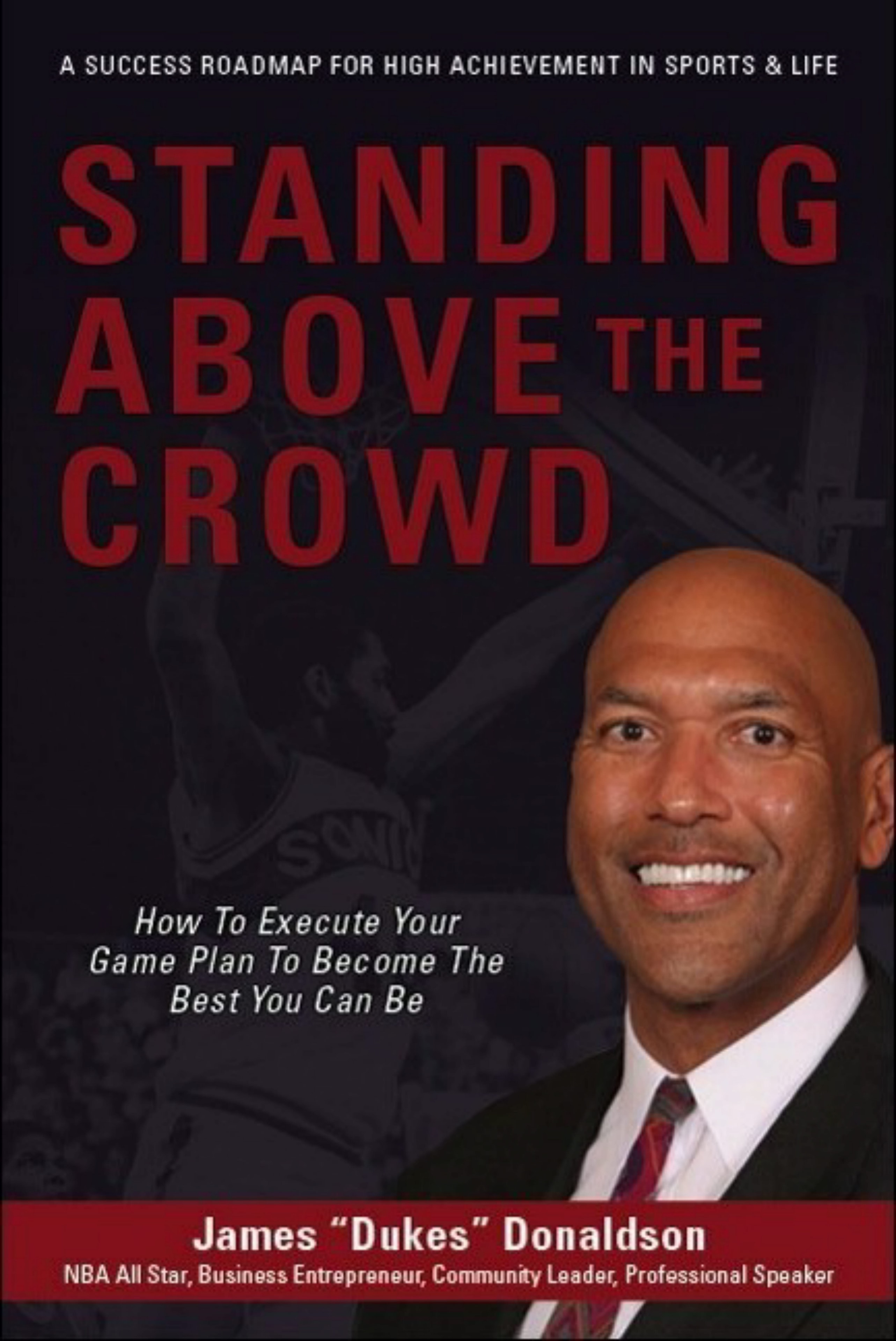
Standing Above the Crowd
Inspiring stories of resilience, hope, and mental wellness
Order & Get It Signed
James Donaldson
Author, Speaker & Mental Health Advocate · Standing Above the Crowd
James Donaldson is a former NBA All-Star (1988, Dallas Mavericks) who played 20 years of professional basketball with the Seattle SuperSonics, L.A. Clippers, Dallas Mavericks, New York Knicks, Utah Jazz, and teams across Europe, before touring with the Harlem Globetrotters. A Washington State University graduate inducted into both the Pac-10 and WSU Athletic Halls of Fame, James went on to found The Donaldson Clinic, an outpatient physical therapy practice he operated for nearly three decades. Today he devotes his time to mental health awareness and suicide prevention — speaking to organizations, schools, and youth groups — and is the author of Standing Above the Crowd and Celebrating Your Gift of Life (2021). James recently relocated to the Dallas, TX area and believes deeply in being a role model of success and professionalism for the young people he serves.