6 min read

Medication can be a vital and life-saving tool for many people dealing with depression. But there are also powerful, evidence-backed natural approaches that can make a real difference — especially when combined with professional care. Here's what the research says.
Let me be clear from the start: if you are struggling with depression, please talk to a healthcare provider. Medication is a legitimate, often life-saving tool, and there is absolutely no shame in using it. What I want to share today are evidence-backed natural approaches that can complement professional treatment — and in some cases of mild to moderate depression, make a significant difference on their own.
September is National Suicide Prevention Awareness Month, and depression is one of the most common mental health conditions identified among people who die by suicide. That makes early recognition and treatment critically important. The more tools we have — and the more we understand how to use them — the better equipped we are to protect ourselves and the people we love.
Move Your Body
The research on exercise and depression is remarkably strong. Multiple randomized controlled trials show that both aerobic exercise and resistance training reduce depressive symptoms — with benefits comparable to medication for some individuals with mild to moderate depression.
The target: at least 150 minutes of moderate activity each week, plus two strength-training sessions. But don't let that number overwhelm you. A daily 20- to 30-minute walk can make a meaningful difference. Start where you are. The goal is consistency, not perfection.
As a former NBA player, I've experienced firsthand how movement affects mood. When I'm moving my body regularly, everything feels more manageable. When I'm sedentary, the weight of the world feels heavier. That's not just anecdotal — it's biology.
Feed Your Brain
Research consistently links Mediterranean-style diets — rich in vegetables, fruits, legumes, whole grains, olive oil, nuts, and fish — with lower rates of depression. These foods provide antioxidants and anti-inflammatory nutrients that support healthy brain function.
At the same time, limiting ultra-processed foods and excess added sugars may help reduce inflammation, which has increasingly been linked to depressive disorders. You don't have to overhaul your entire diet overnight. Small, sustainable changes add up.
Protect Your Sleep
Sleep and depression have a complicated, bidirectional relationship — depression disrupts sleep, and poor sleep worsens depression. Breaking that cycle matters.
Practical steps: establish a consistent sleep schedule (same bedtime and wake time every day), limit alcohol before bed, reduce evening screen exposure, and seek evaluation if you experience persistent snoring or excessive daytime fatigue. Sleep apnea is more common than many people realize, and treating it can dramatically improve both sleep quality and emotional health.
Stay Connected
Loneliness is associated with increased depression and suicide risk. Strong social relationships are among the greatest protective factors we know of. This is especially true for veterans — suicide was the second-leading cause of death among veterans younger than 45 in 2023.
Connection doesn't have to be complicated. It can be a regular phone call with a friend, joining a fitness group, volunteering in your community, or getting involved with an organization that shares your values. The key is showing up consistently for the people in your life — and letting them show up for you.
Consider Targeted Supplements
A few supplements have meaningful evidence behind them, though always discuss these with your healthcare provider before starting:
Know When to Ask for More Help
These approaches are powerful — but they are not a substitute for professional care when professional care is needed. If you or someone you love is in crisis, please reach out immediately.
Call or text 988 to reach the Suicide & Crisis Lifeline, available 24 hours a day, 7 days a week. Veterans can press 1 after dialing to reach the Veterans Crisis Line. You deserve support. Asking for help is one of the strongest things you can do.
From the Author
Order today and James will personally sign your copy — a meaningful keepsake from an NBA All-Star and mental health advocate.
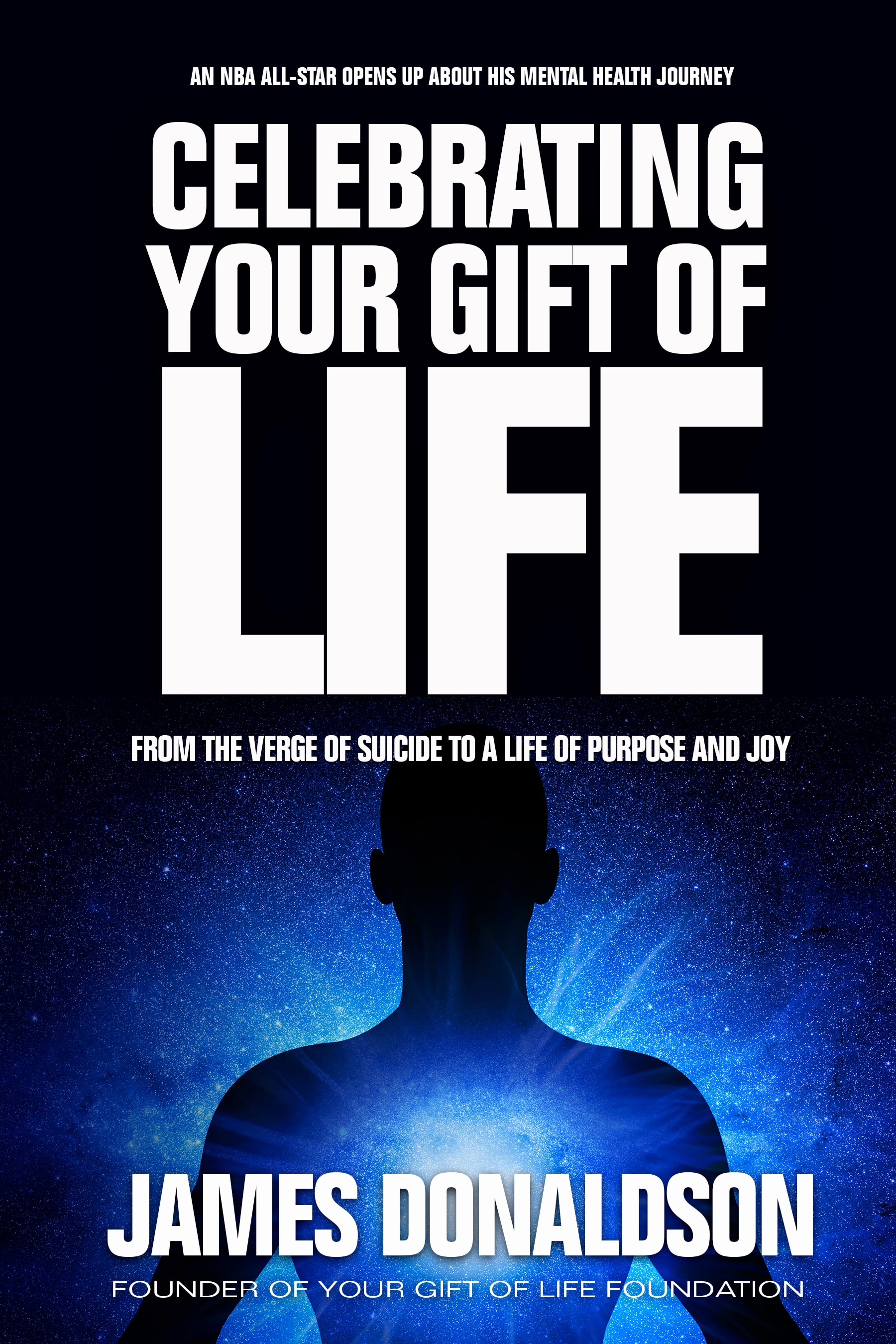
Celebrating Your Gift of Life
From the verge of suicide to a life of purpose and joy
Order & Get It Signed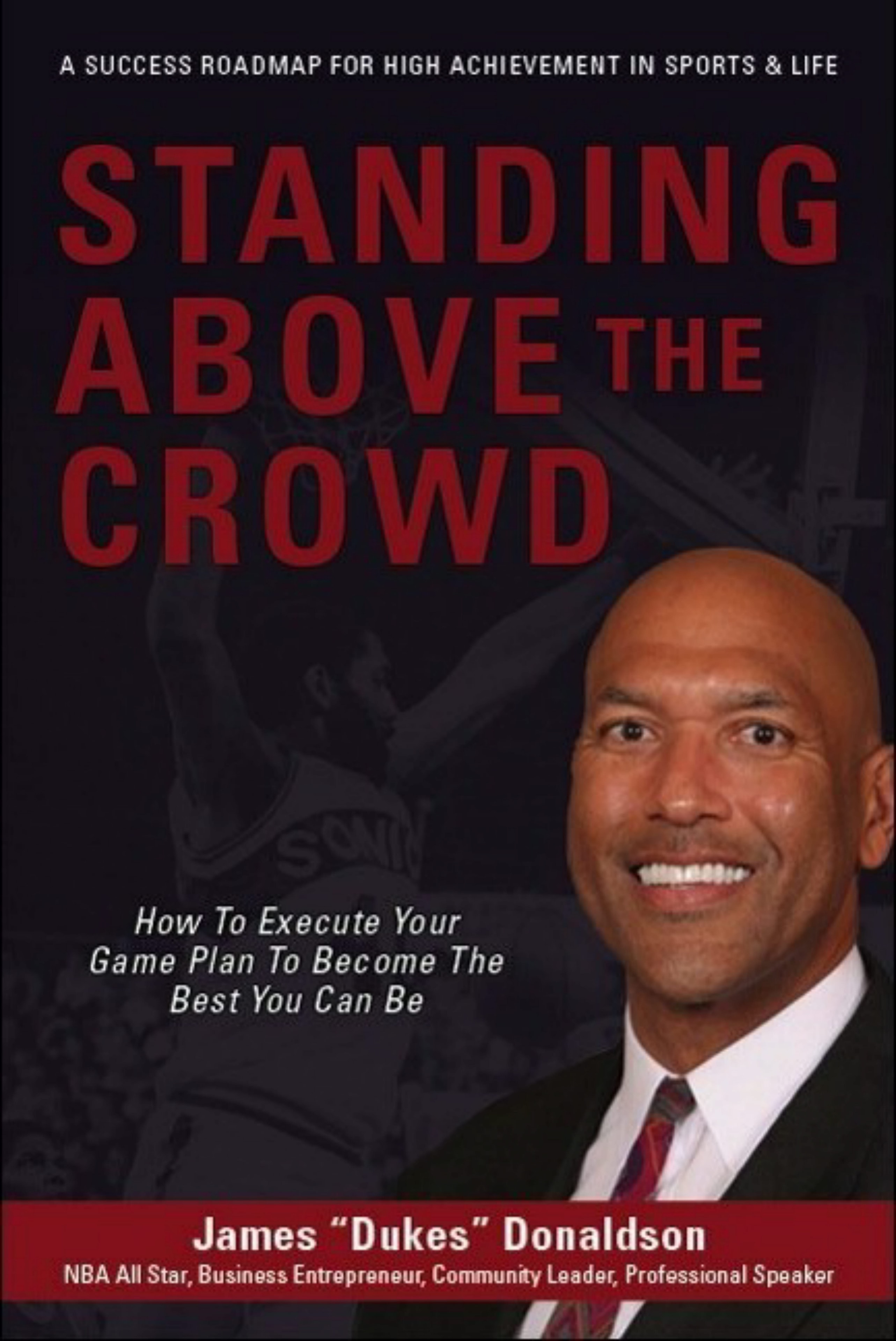
Standing Above the Crowd
Inspiring stories of resilience, hope, and mental wellness
Order & Get It Signed
James Donaldson
Author, Speaker & Mental Health Advocate · Standing Above the Crowd
James Donaldson is a former NBA All-Star (1988, Dallas Mavericks) who played 20 years of professional basketball with the Seattle SuperSonics, L.A. Clippers, Dallas Mavericks, New York Knicks, Utah Jazz, and teams across Europe, before touring with the Harlem Globetrotters. A Washington State University graduate inducted into both the Pac-10 and WSU Athletic Halls of Fame, James went on to found The Donaldson Clinic, an outpatient physical therapy practice he operated for nearly three decades. Today he devotes his time to mental health awareness and suicide prevention — speaking to organizations, schools, and youth groups — and is the author of Standing Above the Crowd and Celebrating Your Gift of Life (2021). James recently relocated to the Dallas, TX area and believes deeply in being a role model of success and professionalism for the young people he serves.