6 min read

How risk-taking differs in bipolar disorder and BPD Both disorders can involve impulsive or risky behavior, which is why parents often struggle to tell them apart.
How risk-taking differs in bipolar disorder and BPD Both disorders can involve impulsive or risky behavior, which is why parents often struggle to tell them apart.
But the motivations behind the behavior are different.
“Often these symptoms in BPD are used to regulate how they feel,” Dr.
“A teen might think, ‘I don’t feel attractive or lovable, so I’ll sleep around to change how I feel.’” In mania, however, risk-taking stems from elevated mood and grandiosity.
“It’s not to change anything,” he says.
“It’s because they already feel great.” Understanding the purpose behind a behavior helps clinicians distinguish the two disorders.
Misdiagnosis and its impact Misdiagnosis is common , particularly when teens with BPD are labeled as having bipolar disorder.
“They come to us on a lot of medications,” Dr.
“They’ll say, ‘These medications aren’t helping me.’ And they often feel worse because the side effects, like weight gain, add to their unstable sense of self.” When teens learn about DBT, many of them look up what DBT is and see that it is a treatment for BPD.
“Then they look up borderline personality disorder and say, ‘This actually makes more sense than bipolar to me,’” he says.
From the Author
Order today and James will personally sign your copy — a meaningful keepsake from an NBA All-Star and mental health advocate.
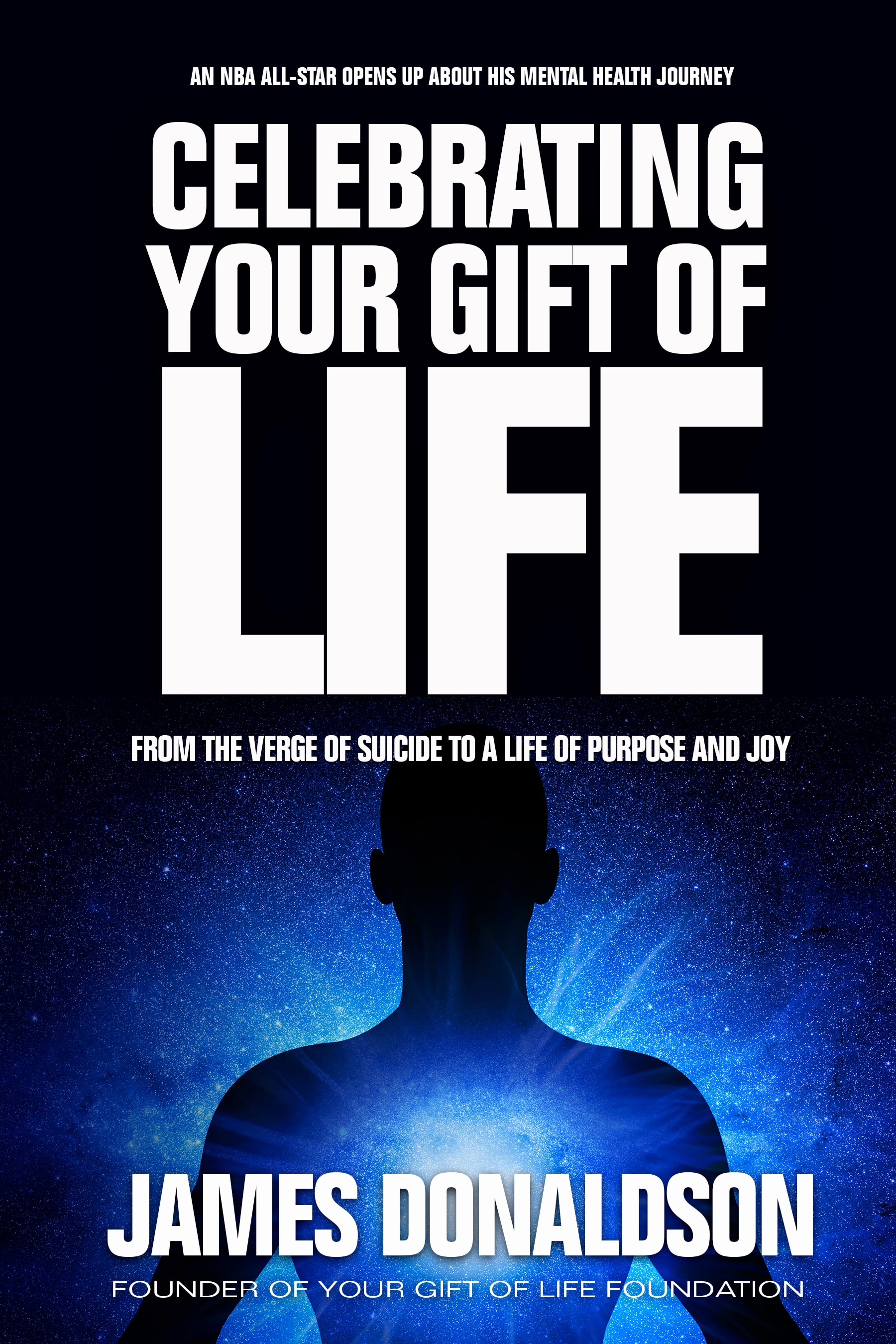
Celebrating Your Gift of Life
From the verge of suicide to a life of purpose and joy
Order & Get It Signed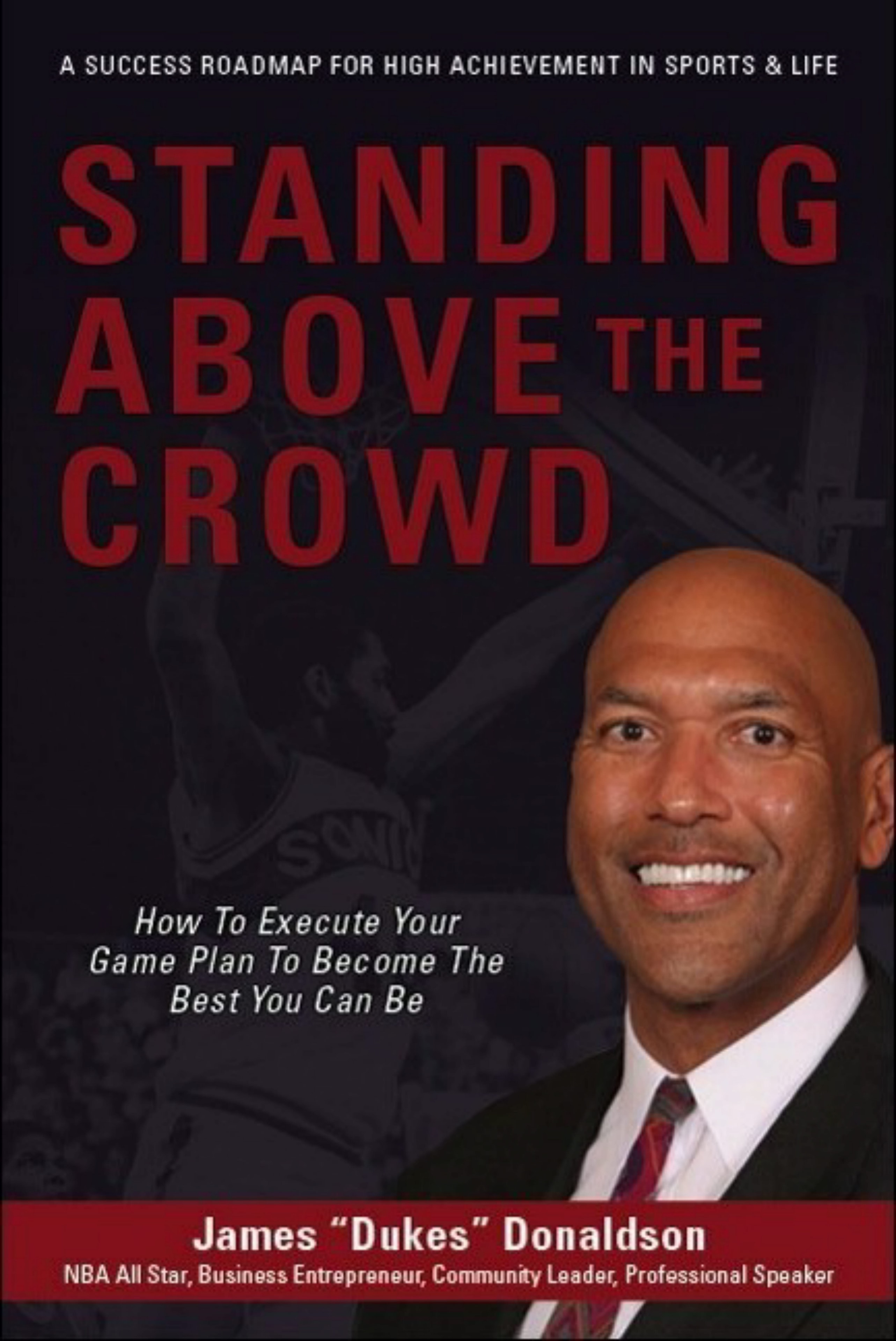
Standing Above the Crowd
Inspiring stories of resilience, hope, and mental wellness
Order & Get It Signed
James Donaldson
Author, Speaker & Mental Health Advocate · Standing Above the Crowd
James Donaldson is a former NBA All-Star (1988, Dallas Mavericks) who played 20 years of professional basketball with the Seattle SuperSonics, L.A. Clippers, Dallas Mavericks, New York Knicks, Utah Jazz, and teams across Europe, before touring with the Harlem Globetrotters. A Washington State University graduate inducted into both the Pac-10 and WSU Athletic Halls of Fame, James went on to found The Donaldson Clinic, an outpatient physical therapy practice he operated for nearly three decades. Today he devotes his time to mental health awareness and suicide prevention — speaking to organizations, schools, and youth groups — and is the author of Standing Above the Crowd and Celebrating Your Gift of Life (2021). James recently relocated to the Dallas, TX area and believes deeply in being a role model of success and professionalism for the young people he serves.