6 min read

What signs to look for Kids with eating disorders often try to keep their unhealthy eating habits and behaviors a secret, but there are still some signs that parents might notice.
What signs to look for Kids with eating disorders often try to keep their unhealthy eating habits and behaviors a secret, but there are still some signs that parents might notice.
Signs of anorexia Losing weight unexpectedly and/or being dangerously thin (Despite their extreme thinness, kids with anorexia usually don’t think that they are unhealthy and actually want to lose even more weight.) Obsessing over calorie counts, nutritional facts, and diets Spending many hours exercising to burn off calories Skipping meals Avoiding eating socially Irregular periods, thinning hair, and constant exhaustion Signs of bulimia Exercising excessively or using diet pills or laxatives Going to the bathroom immediately after meals Spending a lot of time in the bathroom Having a sore throat, sore knuckles, discolored teeth, and poor enamel Hoarding food in her room Having large amounts of food that go missing at home Preventing Eating Disorders Eating disorders can affect all kinds of kids for all kinds of reasons.
Still, there things you can do to help your child build a healthy relationship with food and eating and reduce the risk that they might develop an eating disorder.
Try to establish healthy eating habits .
Make a routine of eating healthy, balanced meals as a family.
Discuss foods in terms of how healthy they are, not how “good” or “bad” they are.
Don’t criticize your child’s weight or appearance.
Adolescence is a difficult time for most kids, and it’s essential to provide them with a nurturing and supportive environment.
Some kids are more likely than others to develop eating disorders.
Be extra vigilant if you have a family history of eating disorders or if you know that your child is under extreme pressure to look a certain way.
From the Author
Order today and James will personally sign your copy — a meaningful keepsake from an NBA All-Star and mental health advocate.
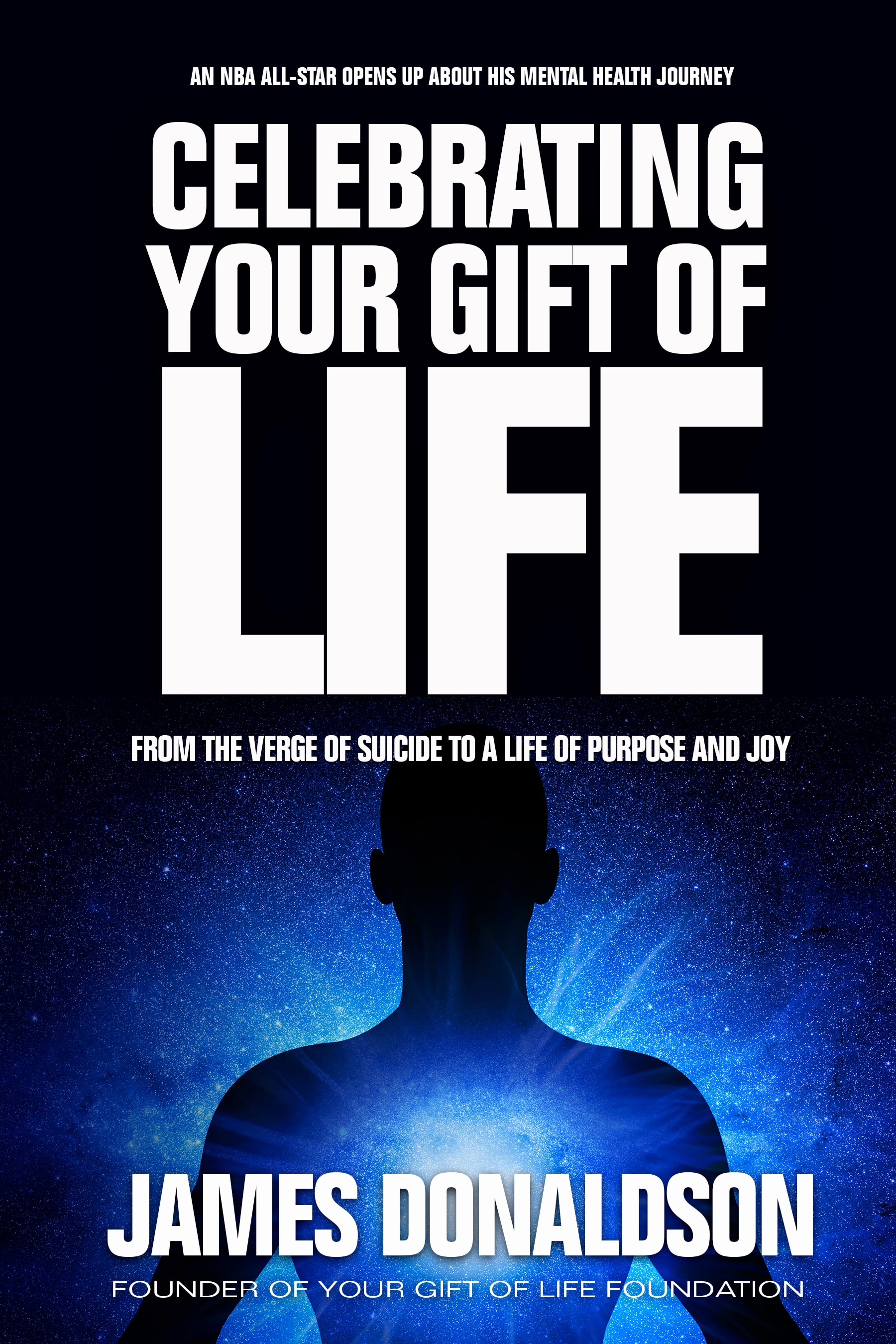
Celebrating Your Gift of Life
From the verge of suicide to a life of purpose and joy
Order & Get It Signed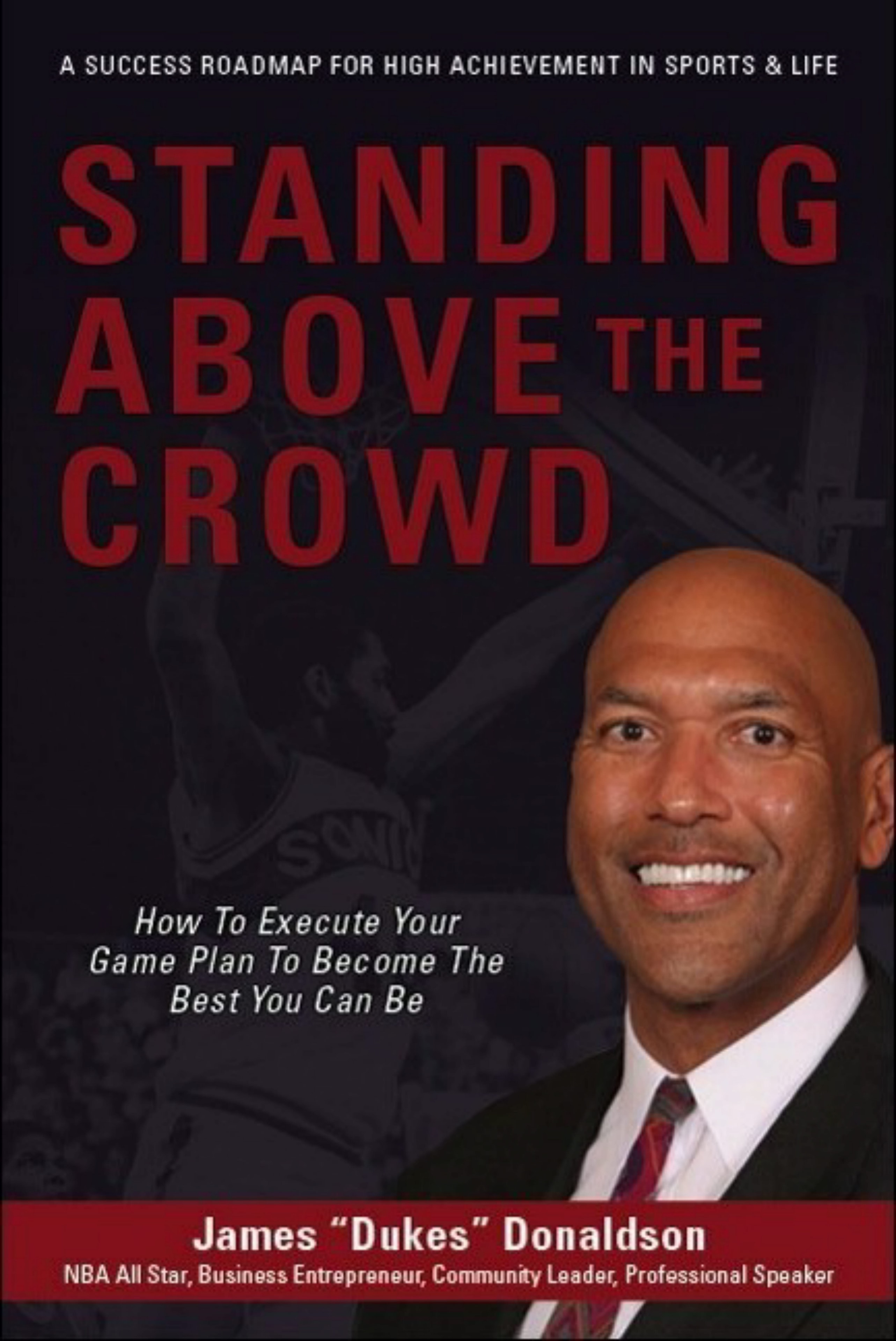
Standing Above the Crowd
Inspiring stories of resilience, hope, and mental wellness
Order & Get It Signed
James Donaldson
Author, Speaker & Mental Health Advocate · Standing Above the Crowd
James Donaldson is a former NBA All-Star (1988, Dallas Mavericks) who played 20 years of professional basketball with the Seattle SuperSonics, L.A. Clippers, Dallas Mavericks, New York Knicks, Utah Jazz, and teams across Europe, before touring with the Harlem Globetrotters. A Washington State University graduate inducted into both the Pac-10 and WSU Athletic Halls of Fame, James went on to found The Donaldson Clinic, an outpatient physical therapy practice he operated for nearly three decades. Today he devotes his time to mental health awareness and suicide prevention — speaking to organizations, schools, and youth groups — and is the author of Standing Above the Crowd and Celebrating Your Gift of Life (2021). James recently relocated to the Dallas, TX area and believes deeply in being a role model of success and professionalism for the young people he serves.