8 min read
Losing someone to suicide is one of the most devastating experiences a person can face. The grief is real, the guilt is common, and healing is possible.
If you have lost someone to suicide, you are part of a community no one chooses to join. The grief that follows suicide loss is unlike almost any other. It is layered with shock, guilt, anger, confusion, and a relentless search for answers that may never fully come. And it is far more common than most people realize — for every person who dies by suicide, an estimated 135 people are directly affected.
One of the most painful aspects of suicide loss is the guilt. 'What did I miss?' 'What could I have done differently?' 'Why didn't I see it coming?' These questions are almost universal among survivors, and they are almost always unanswerable. Suicide is the result of a complex convergence of factors — biological, psychological, social, and circumstantial — that no single person could have fully seen or prevented.
Grief after suicide loss can also be complicated by stigma. Some survivors feel they cannot talk openly about how their loved one died, which isolates them from the support they desperately need. Others encounter well-meaning but harmful responses — people who change the subject, offer platitudes, or imply that the person who died made a selfish choice. None of this is helpful.
What does help? Connection with others who understand. Suicide loss survivor support groups — both in-person and online — offer a space where survivors can speak honestly without fear of judgment. The American Foundation for Suicide Prevention (AFSP) maintains a directory of support groups at afsp.org.
Professional support is also important. A therapist experienced in grief and trauma can help survivors process the complex emotions of suicide loss and develop coping strategies. If you're not sure where to start, your primary care physician can provide a referral.
Healing does not mean forgetting. It does not mean the grief goes away entirely. It means learning to carry the loss in a way that allows you to live fully again — to find meaning, connection, and even joy alongside the grief. Many survivors go on to become powerful advocates for suicide prevention, turning their pain into purpose.
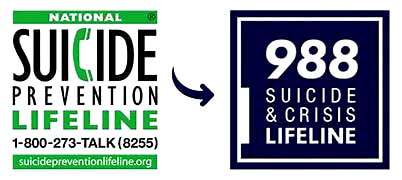
If you are a suicide loss survivor and you are struggling, please reach out. The 988 Suicide and Crisis Lifeline (call or text 988) serves survivors as well as those in crisis. You do not have to carry this alone.
From the Author
Order today and James will personally sign your copy — a meaningful keepsake from an NBA All-Star and mental health advocate.
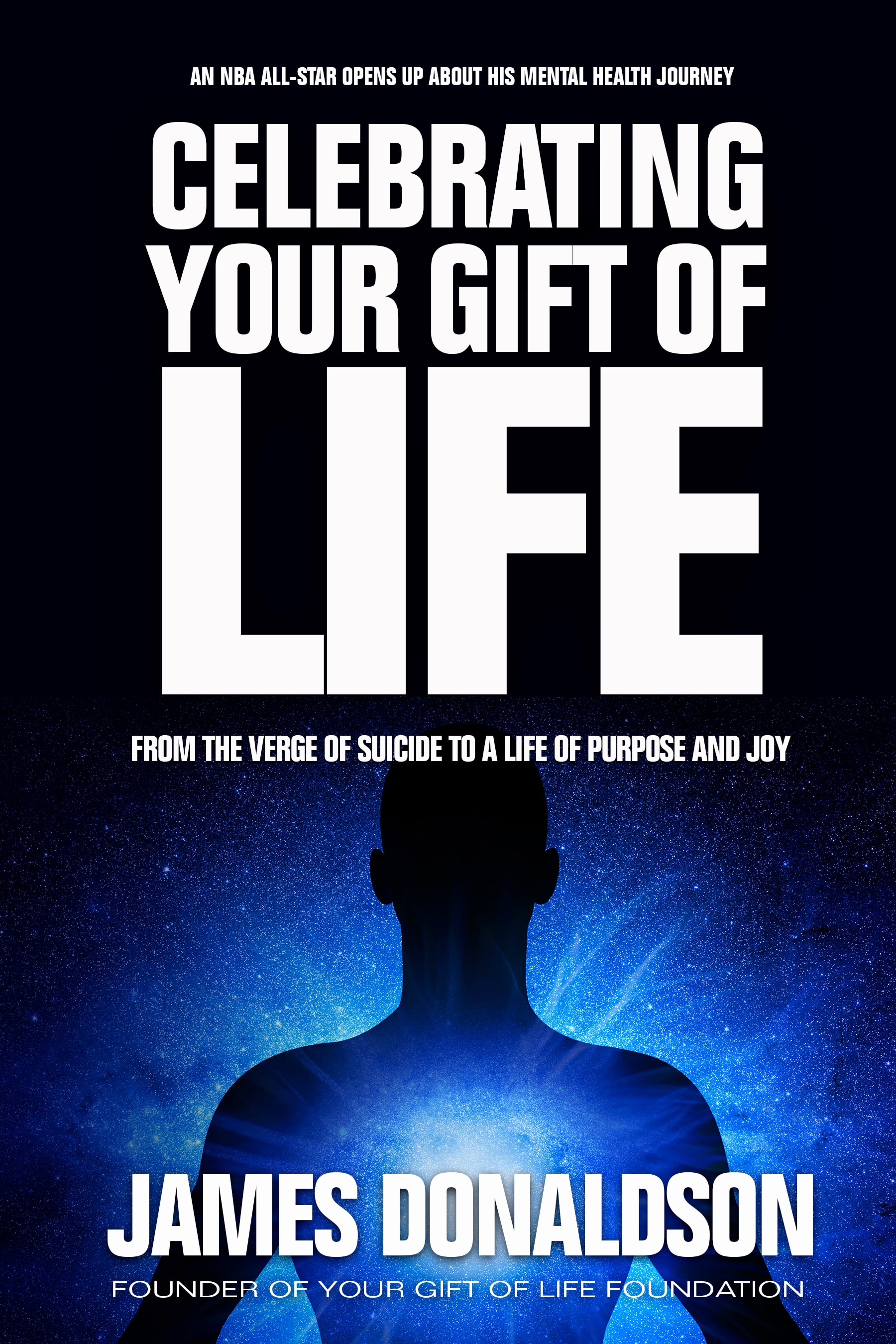
Celebrating Your Gift of Life
From the verge of suicide to a life of purpose and joy
Order & Get It Signed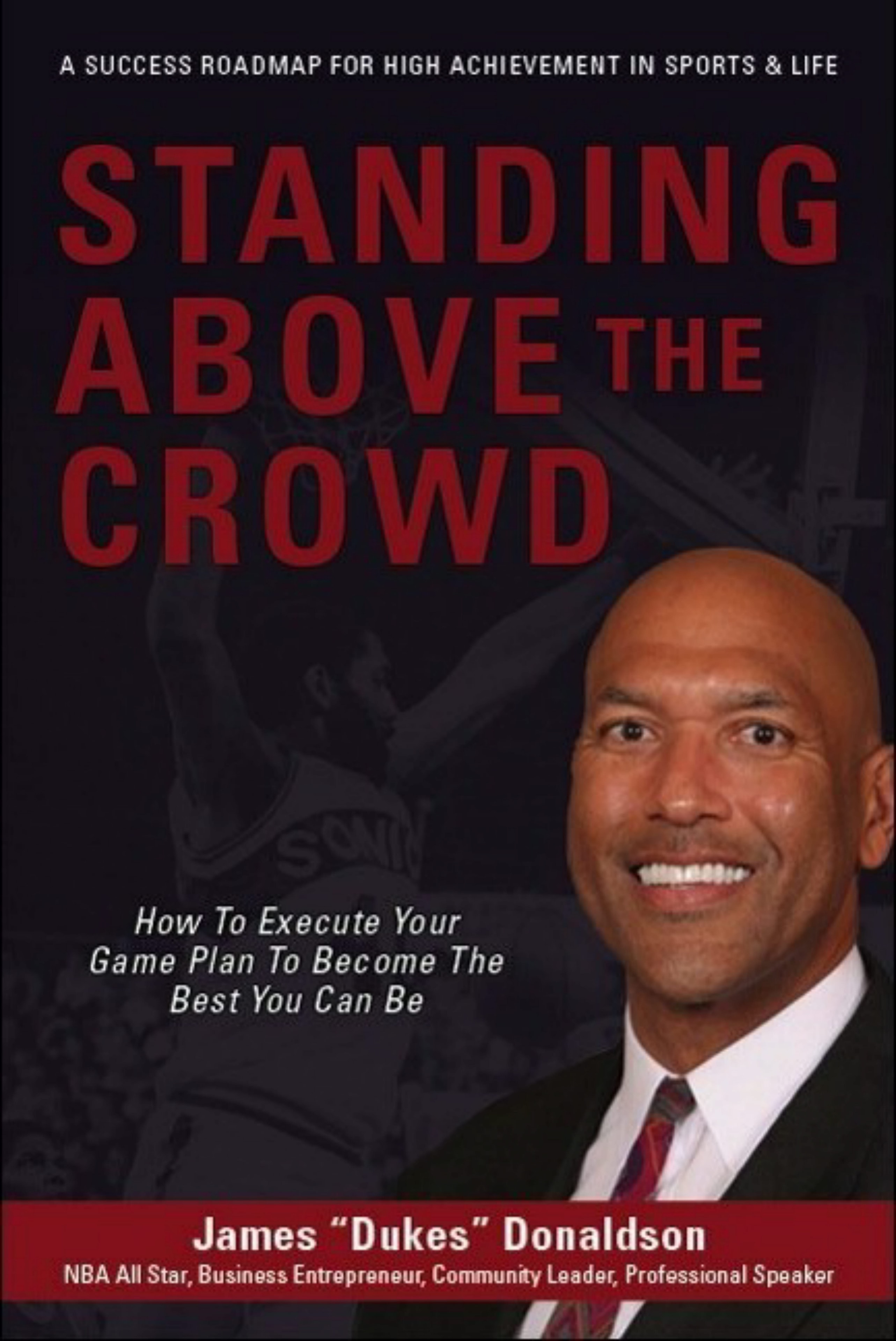
Standing Above the Crowd
Inspiring stories of resilience, hope, and mental wellness
Order & Get It Signed
James Donaldson
Author, Speaker & Mental Health Advocate · Standing Above the Crowd
James Donaldson is a former NBA All-Star (1988, Dallas Mavericks) who played 20 years of professional basketball with the Seattle SuperSonics, L.A. Clippers, Dallas Mavericks, New York Knicks, Utah Jazz, and teams across Europe, before touring with the Harlem Globetrotters. A Washington State University graduate inducted into both the Pac-10 and WSU Athletic Halls of Fame, James went on to found The Donaldson Clinic, an outpatient physical therapy practice he operated for nearly three decades. Today he devotes his time to mental health awareness and suicide prevention — speaking to organizations, schools, and youth groups — and is the author of Standing Above the Crowd and Celebrating Your Gift of Life (2021). James recently relocated to the Dallas, TX area and believes deeply in being a role model of success and professionalism for the young people he serves.