8 min read
A visual breakdown of the systemic and interpersonal factors necessary to support the mental well-being of Black youth, emphasizing a strengths-based approach to suicide prevention.
A visual breakdown of the systemic and interpersonal factors necessary to support the mental well-being of Black youth, emphasizing a strengths-based approach to suicide prevention.
By Jessica Park Over the past two decades, suicide rates among Black adolescents have risen 144% — the largest of any racial group, according to UC Berkeley Psychology Professor Jasmin Brooks Stephens.
While most research on youth suicide focuses on factors that put youth at risk, Stephens’ work emphasizes strengths, community and hope as powerful tools to protect mental health.
Published recently in Psychological Trauma: Theory, Research, Practice, Stephens’ paper — “ A Strengths-Based Approach to Suicide Prevention Among Black Youth: Advancing the Black Youth Thriving Framework through a Systematic Review(link is external) ” — introduces the Black Youth Thriving Framework for Suicide Prevention.
The framework is strengths-based and culturally grounded, aiming to help Black adolescents navigate social inequities and challenges.
“At the heart of this work is my guiding belief: ‘If we want Black youth to no longer desire to die, we have to give them a reason to live’,” Stephens said.
“This paper is part of that call, as it provides a framework that centers Black youth thriving, cultural strengths and hope as the foundation of prevention.” This framework identifies six protective resources that can support Black youth’s well-being: intrapersonal assets like emotional regulation and a positive self-esteem; kinship support from family cohesion and communication; collective socialization through peers, school and community belonging; Black cultural identity and pride; hope and future orientation, including a sense of purpose; and religious and spiritual coping, such as faith-based practices.
Stephens and her team argue that cultural pride, meaningful relationships, community and a sense of purpose serve as core protective factors often missing in conventional suicide prevention models.
By centering Black youth thriving, the framework provides actionable guidance for parents, schools and community organizations seeking to make young people feel seen, valued and hopeful.
“For me, a risk-based model is like a smoke alarm — it alerts you when a fire has already started,” Stephens said.
From the Author
Order today and James will personally sign your copy — a meaningful keepsake from an NBA All-Star and mental health advocate.
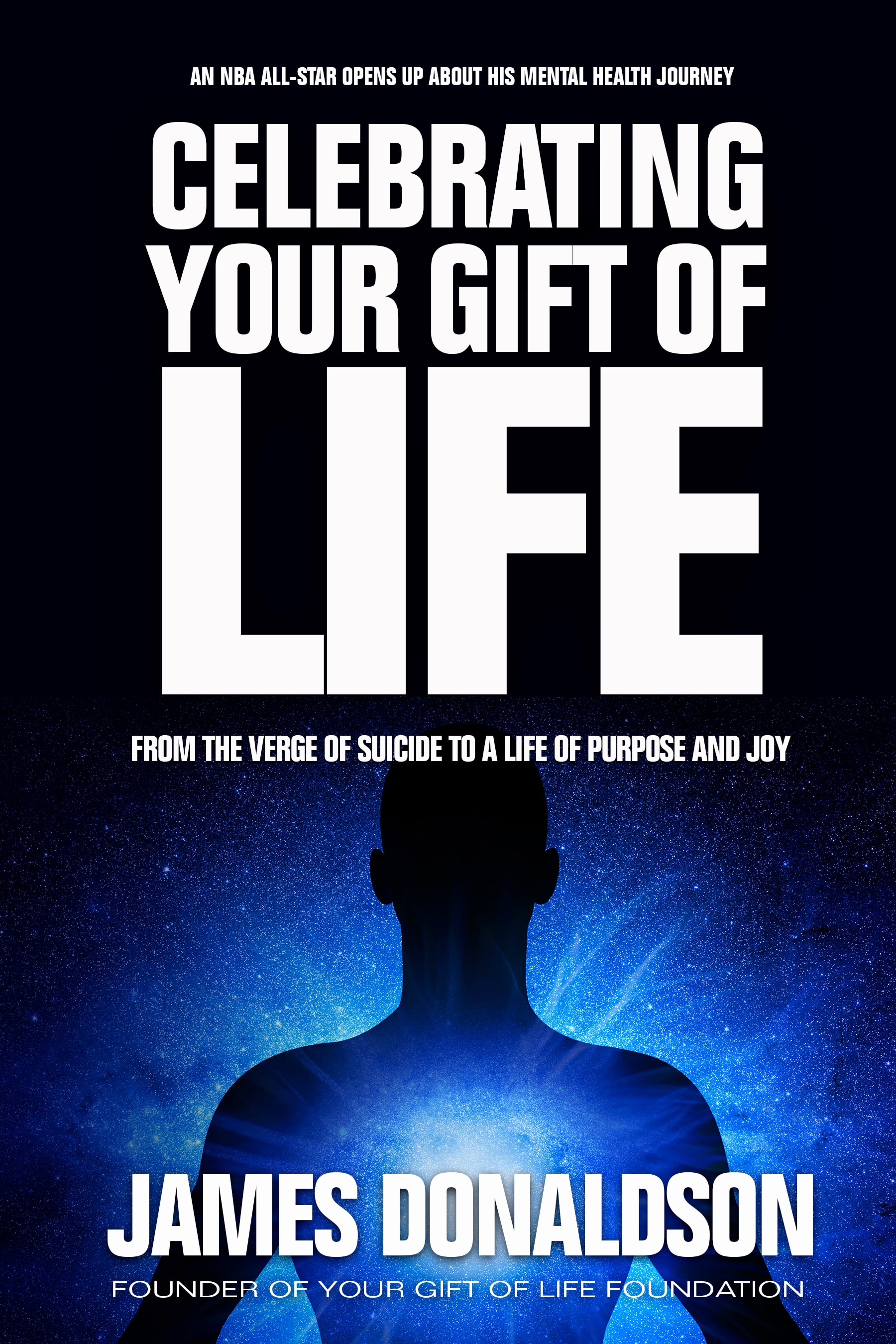
Celebrating Your Gift of Life
From the verge of suicide to a life of purpose and joy
Order & Get It Signed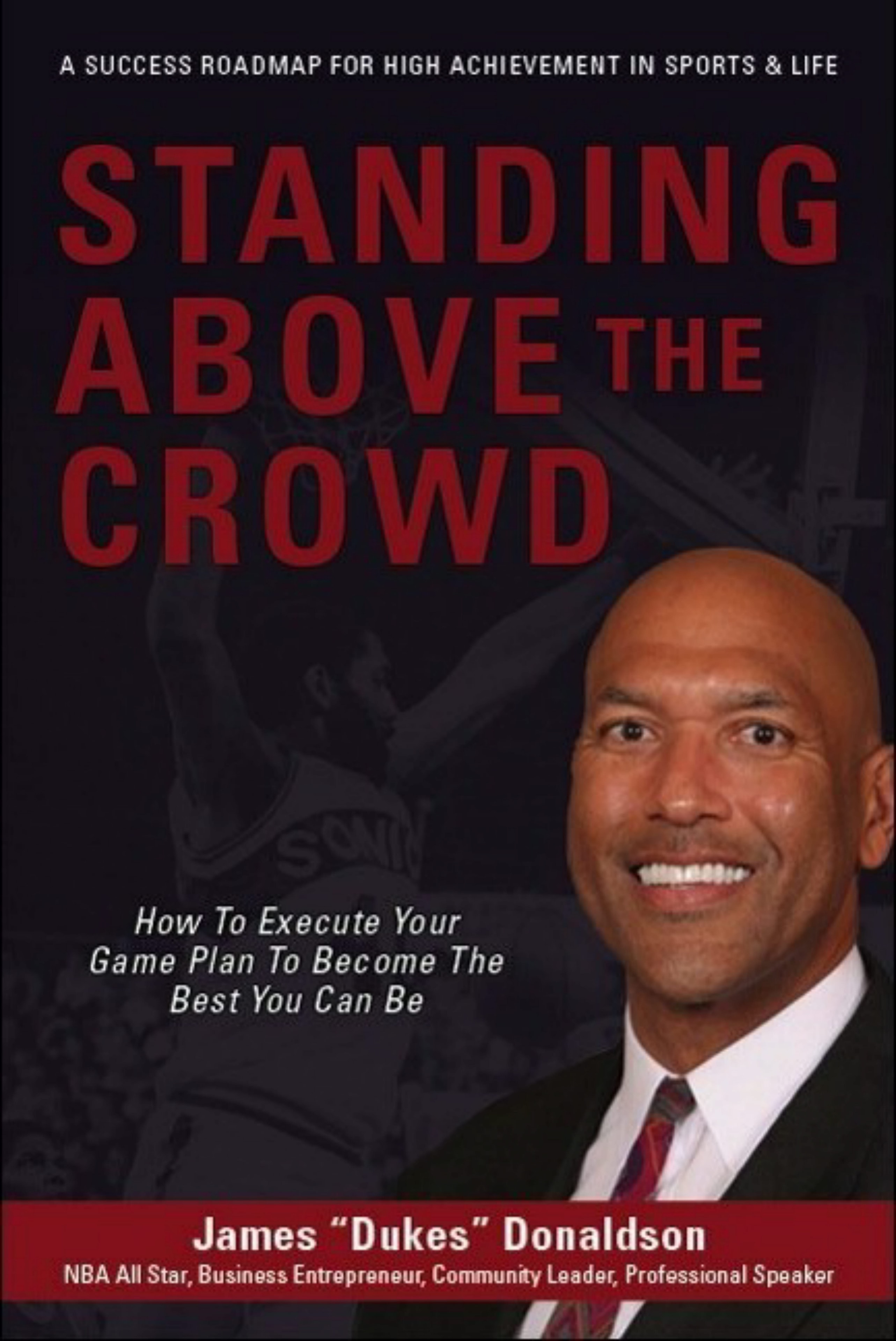
Standing Above the Crowd
Inspiring stories of resilience, hope, and mental wellness
Order & Get It Signed
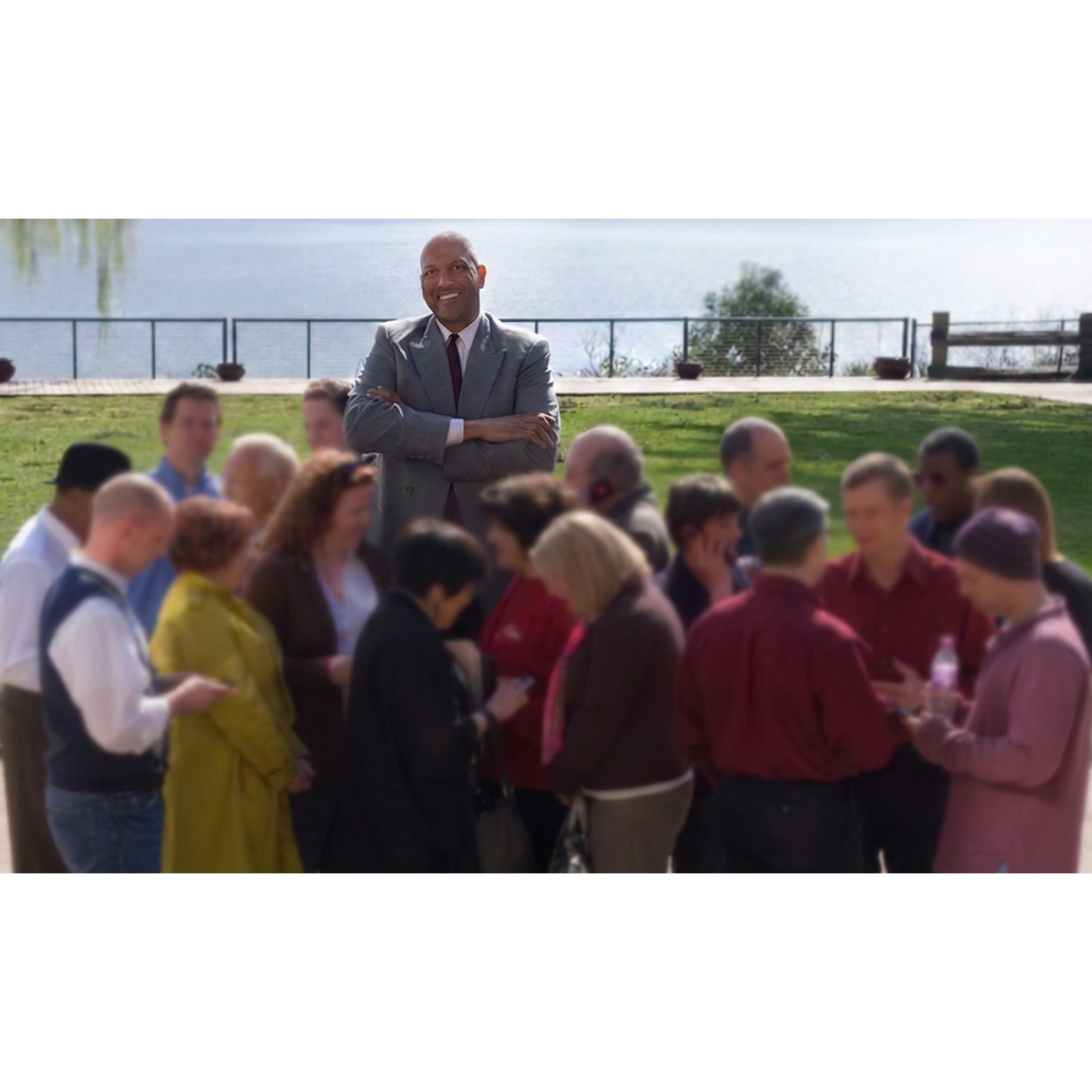
James Donaldson
Author, Speaker & Mental Health Advocate · Standing Above the Crowd
James Donaldson is a former NBA All-Star (1988, Dallas Mavericks) who played 20 years of professional basketball with the Seattle SuperSonics, L.A. Clippers, Dallas Mavericks, New York Knicks, Utah Jazz, and teams across Europe, before touring with the Harlem Globetrotters. A Washington State University graduate inducted into both the Pac-10 and WSU Athletic Halls of Fame, James went on to found The Donaldson Clinic, an outpatient physical therapy practice he operated for nearly three decades. Today he devotes his time to mental health awareness and suicide prevention — speaking to organizations, schools, and youth groups — and is the author of Standing Above the Crowd and Celebrating Your Gift of Life (2021). James recently relocated to the Dallas, TX area and believes deeply in being a role model of success and professionalism for the young people he serves.