8 min read

We tend to think of someone in suicidal crisis as visibly falling apart. But many of the most important warning signs are quiet — a withdrawal here, a change in behavior there, words that sound like venting but carry a much heavier weight. Learning to recognize these signs could save someone's life.
We tend to imagine someone in suicidal crisis as visibly falling apart — crying, unable to function, clearly in distress. And sometimes that's true. But many of the most important warning signs are quiet. Subtle. Easy to miss if you're not looking for them.
I've spent years talking about mental health and suicide prevention, and one of the things I hear most often from people who have lost someone is: "I didn't know. I didn't see it coming." And I believe them. Because the signs are often not what we expect.
This September — National Suicide Prevention Awareness Month — I want to talk about the warning signs that don't make headlines. The ones that happen in ordinary moments, in everyday conversations, in the spaces between what people say and what they mean.
The Signs That Are Easy to Dismiss
Mental health professionals and crisis counselors point to a range of warning signs that often go unrecognized:
Withdrawal. When someone starts pulling back from family, friends, and activities they used to enjoy — answering texts less, skipping plans, going quiet on social media — it can look like they just need space. Sometimes they do. But persistent withdrawal, especially combined with other changes, is a signal worth paying attention to.
Giving things away. When someone starts giving away prized possessions — a favorite piece of jewelry, a beloved book, something with sentimental value — it can be a sign that they are preparing to leave. This one is particularly important not to rationalize away.
Reckless behavior. Suddenly driving too fast, drinking more than usual, taking physical risks that seem out of character — these can be signs of someone who has stopped caring about their own safety.
Changes in sleep or appetite. Sleeping much more or much less than usual, eating very little or very differently — these physical changes often accompany significant emotional distress.
Words that sound like venting but aren't. "I don't think I can handle this anymore." "I'm so tired of everything." "It would be easier if I just wasn't here." "Nobody would miss me." These statements are often said casually, sometimes with a laugh. They are not casual. They are invitations to connect.
The Question You Need to Be Willing to Ask
If you notice these signs in someone you love, the most important thing you can do is ask directly: "Are you thinking about suicide?"
I know that question feels enormous. It feels like it might break something. But the research is clear: asking does not increase risk. It reduces isolation. It tells the person: I see you. I'm not afraid of what you're carrying. You don't have to carry it alone.
You don't need a script. You don't need to have all the answers. You just need to be willing to ask, and then to listen — really listen — to what comes back.
What to Do Next
If someone tells you they are thinking about suicide, take it seriously. Stay with them. Help them connect with support. If there is immediate danger, call 911.
For non-emergency support — for yourself or someone you're worried about — call or text 988 to reach the Suicide & Crisis Lifeline, available 24 hours a day, 7 days a week. Trained counselors can help you figure out next steps, whether you're in crisis yourself or trying to support someone else.
The signs are there. We just have to learn to see them — and be brave enough to ask.
From the Author
Order today and James will personally sign your copy — a meaningful keepsake from an NBA All-Star and mental health advocate.
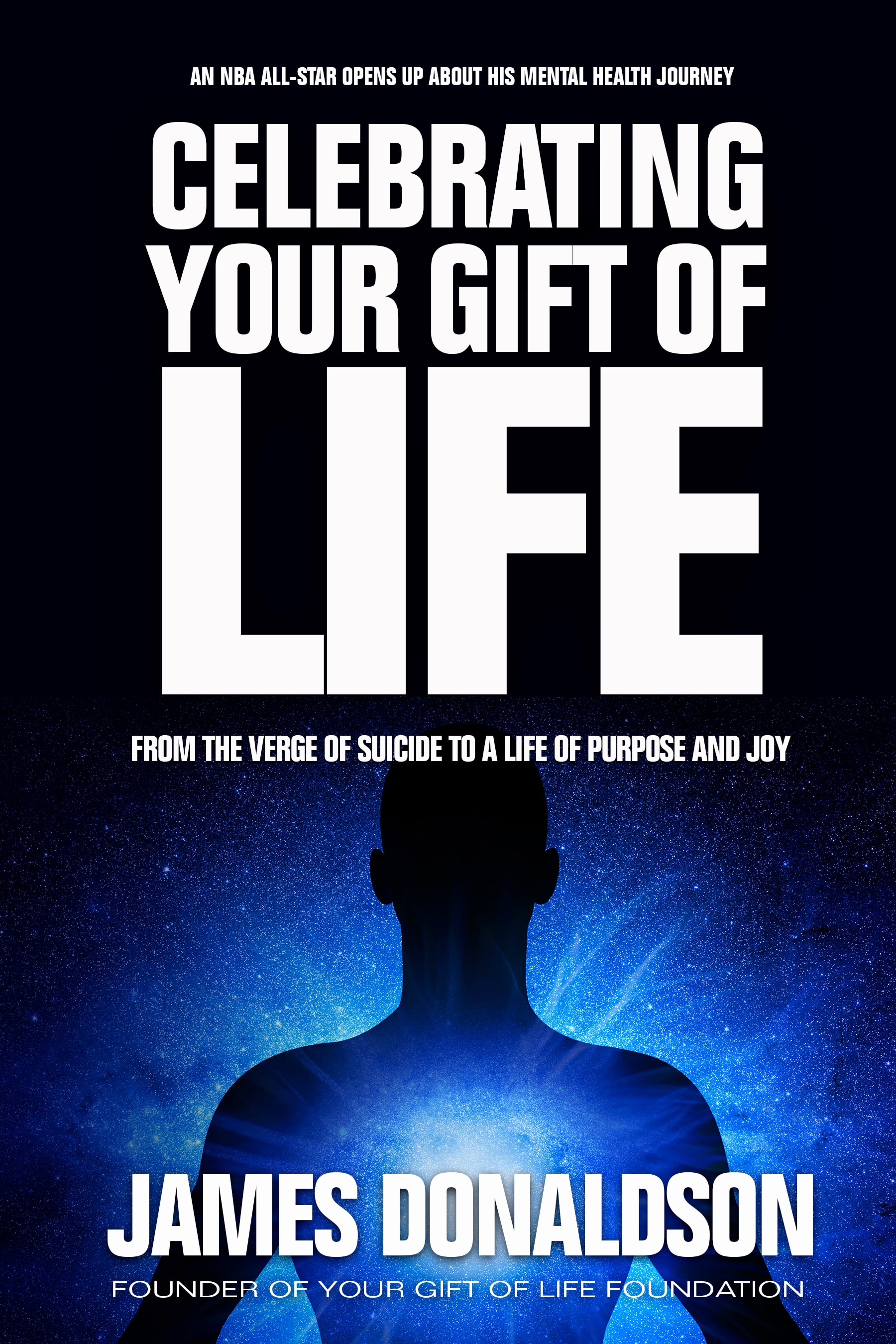
Celebrating Your Gift of Life
From the verge of suicide to a life of purpose and joy
Order & Get It Signed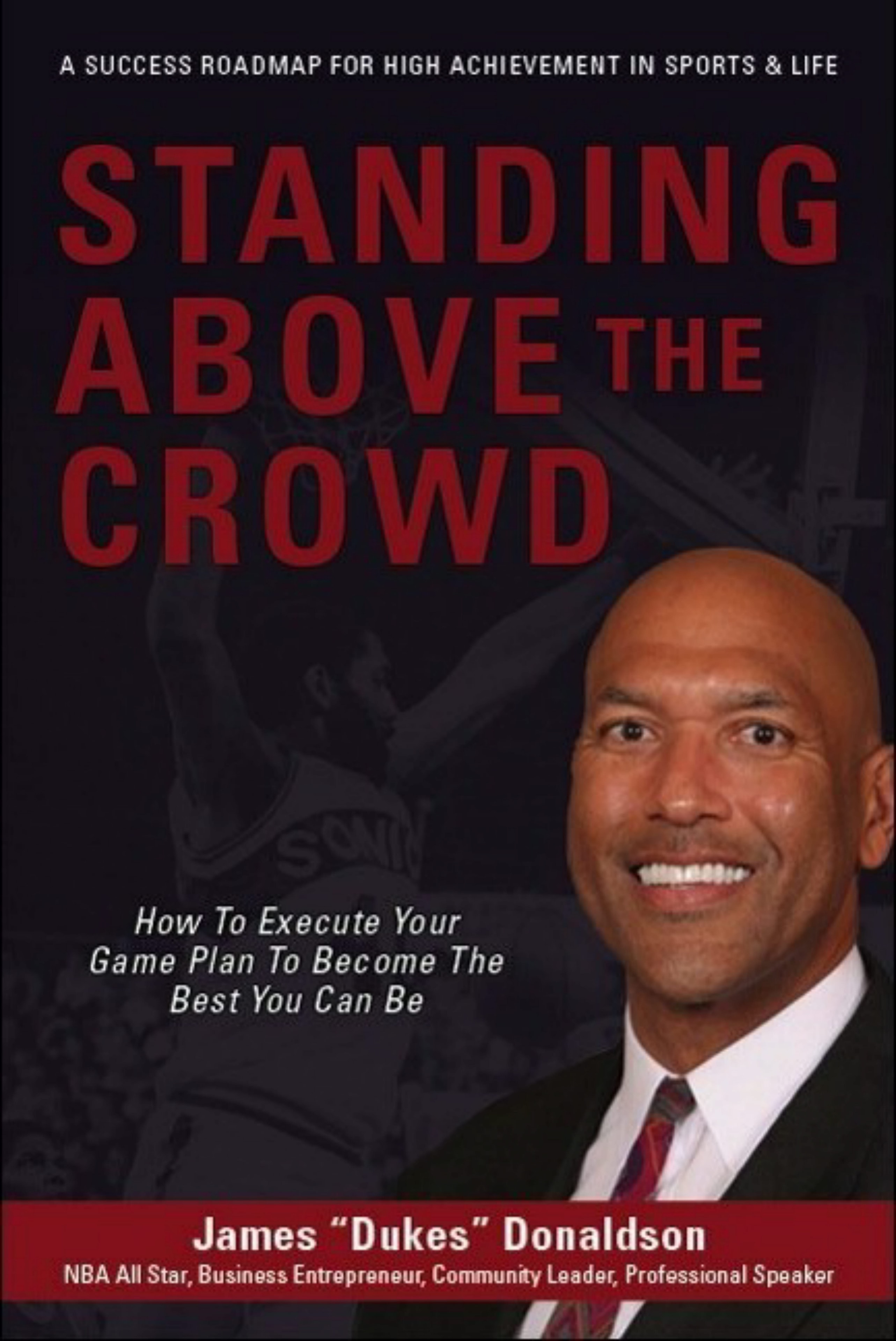
Standing Above the Crowd
Inspiring stories of resilience, hope, and mental wellness
Order & Get It Signed
James Donaldson
Author, Speaker & Mental Health Advocate · Standing Above the Crowd
James Donaldson is a former NBA All-Star (1988, Dallas Mavericks) who played 20 years of professional basketball with the Seattle SuperSonics, L.A. Clippers, Dallas Mavericks, New York Knicks, Utah Jazz, and teams across Europe, before touring with the Harlem Globetrotters. A Washington State University graduate inducted into both the Pac-10 and WSU Athletic Halls of Fame, James went on to found The Donaldson Clinic, an outpatient physical therapy practice he operated for nearly three decades. Today he devotes his time to mental health awareness and suicide prevention — speaking to organizations, schools, and youth groups — and is the author of Standing Above the Crowd and Celebrating Your Gift of Life (2021). James recently relocated to the Dallas, TX area and believes deeply in being a role model of success and professionalism for the young people he serves.