8 min read

Scientists have long known suicide can be “ contagious ” in young people.
Scientists have long known suicide can be “ contagious ” in young people.
This means knowing someone who has attempted suicide makes teens and young adults more likely to develop suicidal thoughts and behaviours themselves.
But despite decades of research, it has not been clear precisely how this works.
A new study of more than 2,000 young people, done by a US research group and published today, offers some new insights.
What we already knew Suicidal thoughts and behaviours typically first emerge during adolescence and young adulthood.
This is also when peer relationships take on increasing importance in young people’s lives.
And we know the risk of suicide is strongly linked to this peer influence during adolescence.
Research shows the suicidal behaviours of individuals within a close network can lead to their peers also developing suicidal thoughts and behaviours.
This risk of suicide contagion is higher for teenagers and young adults, compared with later in life.
However, it has not been clear how suicidal behaviour spreads through young people’s social networks.
From the Author
Order today and James will personally sign your copy — a meaningful keepsake from an NBA All-Star and mental health advocate.
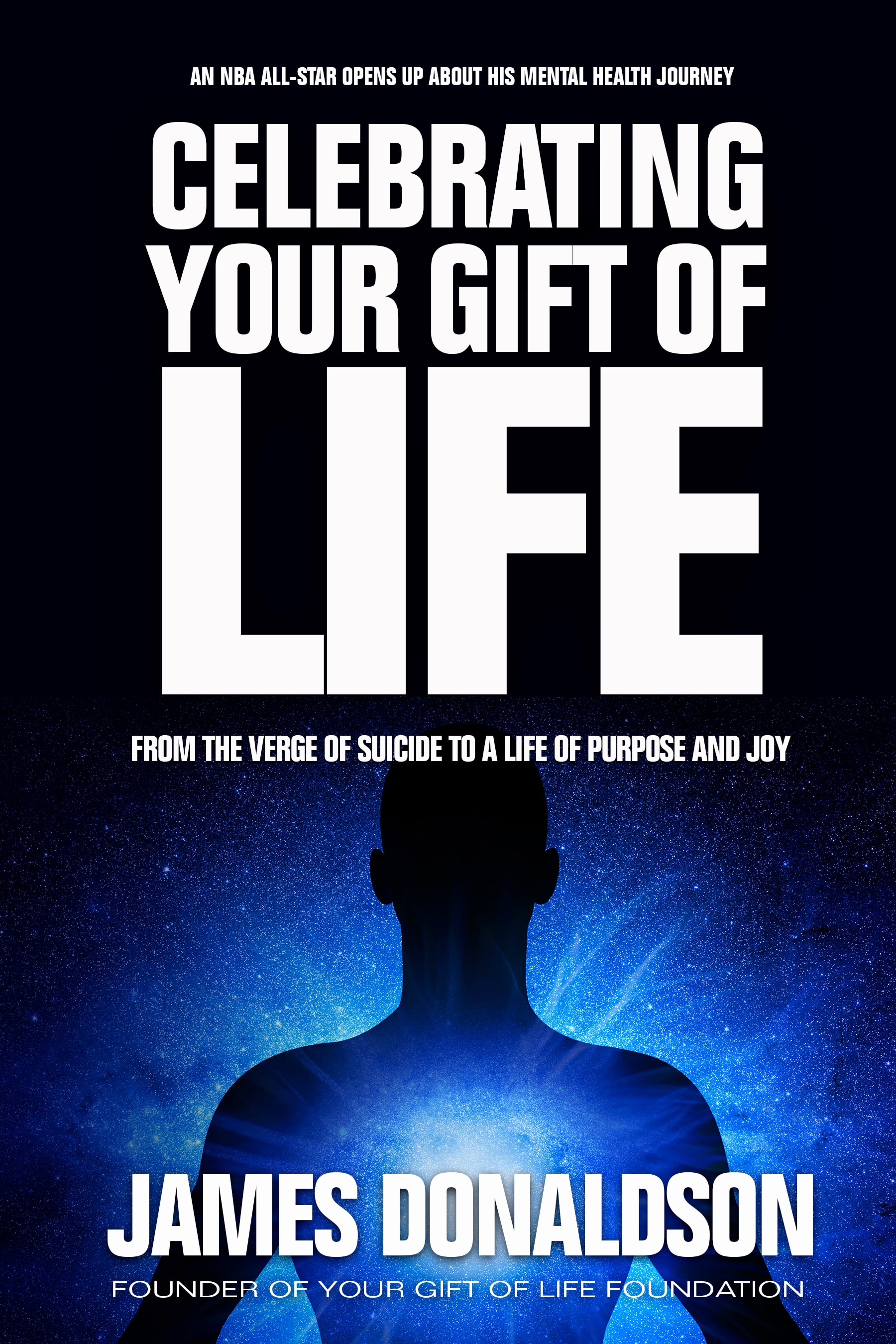
Celebrating Your Gift of Life
From the verge of suicide to a life of purpose and joy
Order & Get It Signed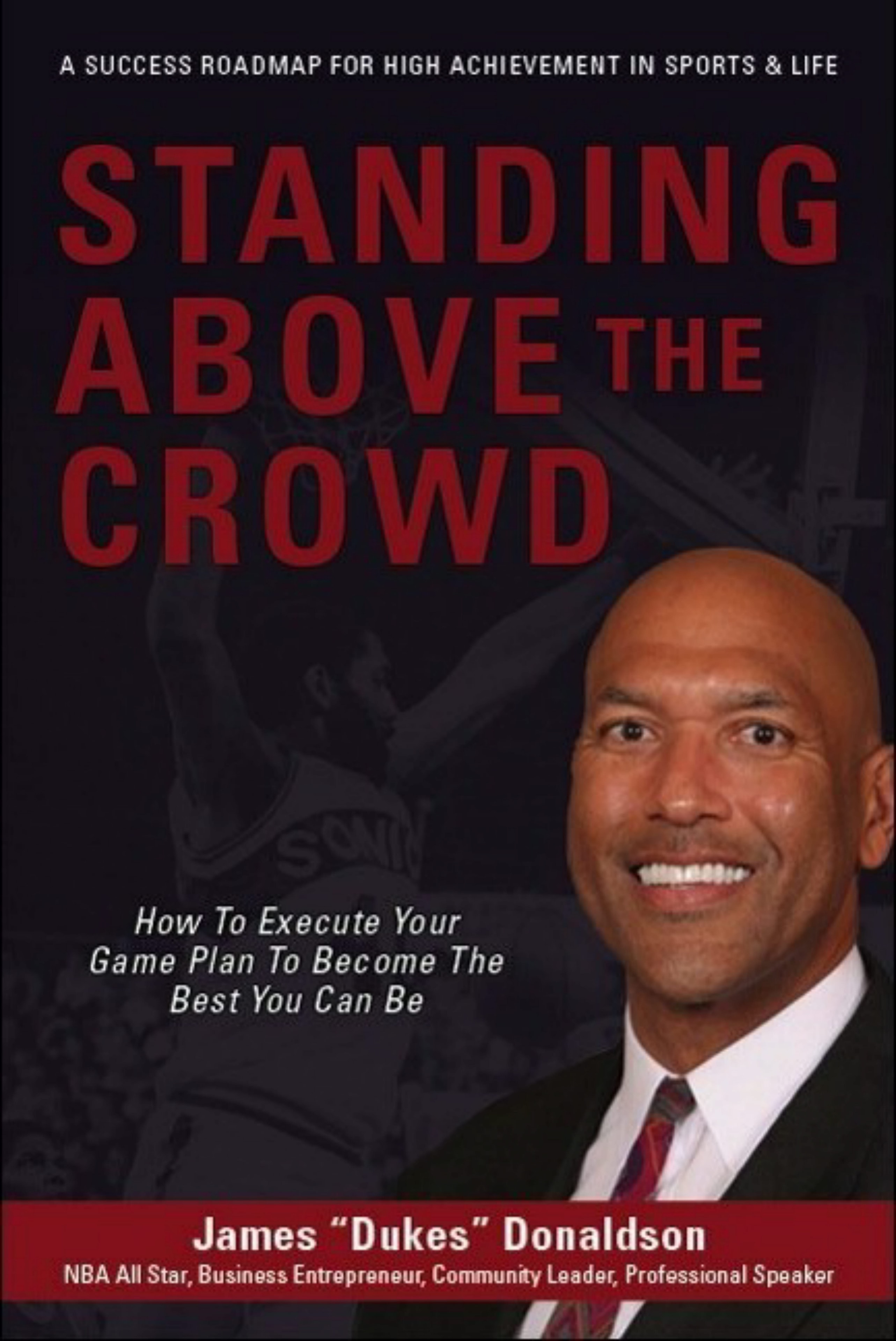
Standing Above the Crowd
Inspiring stories of resilience, hope, and mental wellness
Order & Get It Signed
James Donaldson
Author, Speaker & Mental Health Advocate · Standing Above the Crowd
James Donaldson is a former NBA All-Star (1988, Dallas Mavericks) who played 20 years of professional basketball with the Seattle SuperSonics, L.A. Clippers, Dallas Mavericks, New York Knicks, Utah Jazz, and teams across Europe, before touring with the Harlem Globetrotters. A Washington State University graduate inducted into both the Pac-10 and WSU Athletic Halls of Fame, James went on to found The Donaldson Clinic, an outpatient physical therapy practice he operated for nearly three decades. Today he devotes his time to mental health awareness and suicide prevention — speaking to organizations, schools, and youth groups — and is the author of Standing Above the Crowd and Celebrating Your Gift of Life (2021). James recently relocated to the Dallas, TX area and believes deeply in being a role model of success and professionalism for the young people he serves.