8 min read

If you're worried a friend might be thinking about suicide, trust your instincts. Here's how to show up for them — and yourself — in a way that could save a life.
I want to talk to you about something that takes real courage — noticing when someone you care about might be struggling in the deepest, darkest way possible. If you're reading this because you're worried about a friend, first let me say: you're doing the right thing by paying attention. That instinct matters more than you know.
The experts at the Child Mind Institute put it well: "You're doing a really helpful job of noticing a difference and being concerned rather than being like, 'This is no big deal.'" I couldn't agree more. When I was going through my own darkest period — complete darkness and despair and suicidal thoughts for about 12 months — the people who noticed, who reached out, who refused to look away, they helped save my life.
Know the Warning Signs
Before you can help, it helps to understand what you might be seeing. Warning signs that someone is thinking about suicide include:
Hopelessness. They might say things like "Nothing is ever going to change, so what's the point?" or express that problems in their life will never be solved. That kind of language — that sense that the future holds nothing — is a signal worth taking seriously.
Feeling like a burden. Phrases like "My family would be better off without me" or "Your life would be so much easier if I was never born" are deeply concerning. When someone starts to see themselves as a problem to be solved rather than a person to be loved, they need help immediately.
Significant changes in behavior. If your normally social, chatty friend suddenly withdraws, or if someone who's usually cautious starts acting reckless or impulsive — pay attention. And if they start giving away prized possessions or ask you to hold onto a letter "just in case," those are serious warning signs.
You Are Not Alone in This Either
Here's something I want you to hear clearly: you cannot and should not carry this alone. Tell a trusted adult — a parent, a coach, a counselor, a teacher. You can also call or text 988, the Suicide and Crisis Lifeline. The counselors there will talk with you even if you're calling about someone else. They'll help you figure out what to do next.
Your job as a friend is to be a bridge — to connect your friend to the help they need. You are not their therapist. You are not responsible for fixing everything. But you can be the person who refuses to look away.
Reach Out — Even Simply
Once you've told an adult, don't be afraid to check in with your friend. You don't have to have the perfect words. "It seems like you've been kind of down — how are you doing?" is enough. "Why don't we hang out this weekend?" is enough. Having thoughts about suicide can feel incredibly isolating. A simple text from a friend saying "I'm thinking about you" can mean more than you'll ever know.
I know this because I lived it. When I was at my lowest, it was the friends who called me at two and three in the morning — who checked in on me two or three times a week — who helped keep me here. They didn't have all the answers. They just showed up.
It's Okay to Say the Word "Suicide"
One of the most important things I've learned — and that research confirms — is that talking openly about suicide does not make someone more likely to act on it. In fact, it does the opposite. Saying the word out loud, asking directly, "Are you having thoughts about suicide?" — that can actually help bring those painful thoughts out of isolation.
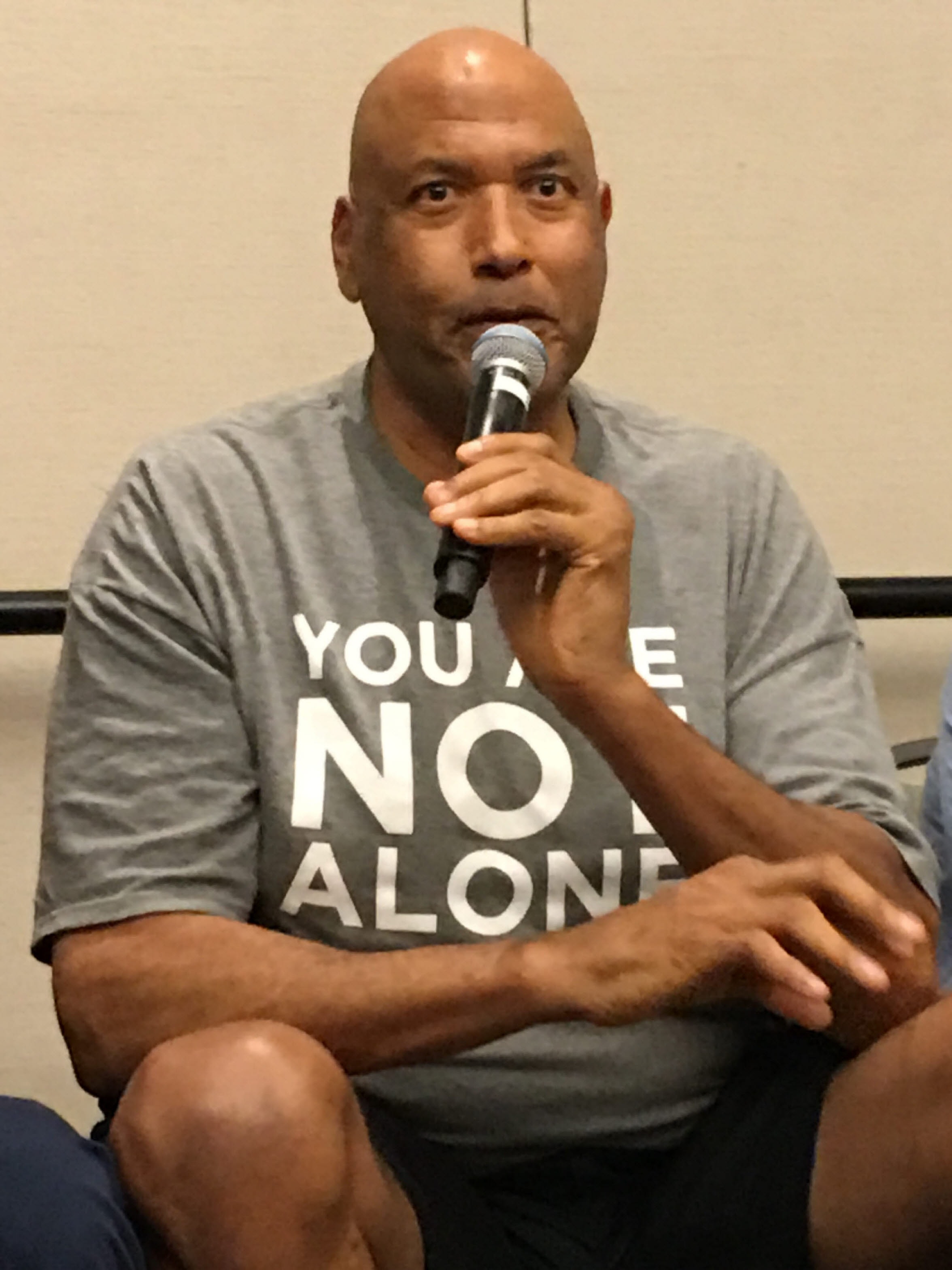
So if your friend says something that worries you, you can say: "I care about you. It sounds like you might be thinking about suicide. Are you having those thoughts?" And if they say yes, you can say: "Thank you for telling me. I'm glad you're talking to me about this. You are not alone."
Don't Keep Secrets That Could Cost a Life
If your friend tells you they're having thoughts about suicide and asks you not to tell anyone — that is one secret you cannot keep. I know it feels like a betrayal. But telling an adult is the most loving thing you can do. Your friend may be upset with you. That's okay. It's better than the alternative.
You can tell any adult you trust. You don't even have to do it face to face — write a note, send a message, leave a voicemail. Just get the information to someone who can help.
Take Care of Yourself Too
Supporting a friend through something this serious takes a toll on you. Please make sure you have someone to talk to as well — a counselor, a parent, an older sibling. You matter too. Your mental health matters too.
If you or someone you know is struggling right now, please call or text 988. Help is available 24 hours a day, 7 days a week. You don't have to face this alone — and neither does your friend.

From the Author
Order today and James will personally sign your copy — a meaningful keepsake from an NBA All-Star and mental health advocate.

Celebrating Your Gift of Life
From the verge of suicide to a life of purpose and joy
Order & Get It Signed
Standing Above the Crowd
Inspiring stories of resilience, hope, and mental wellness
Order & Get It Signed
James Donaldson
Author, Speaker & Mental Health Advocate · Standing Above the Crowd
James Donaldson is a former NBA All-Star (1988, Dallas Mavericks) who played 20 years of professional basketball with the Seattle SuperSonics, L.A. Clippers, Dallas Mavericks, New York Knicks, Utah Jazz, and teams across Europe, before touring with the Harlem Globetrotters. A Washington State University graduate inducted into both the Pac-10 and WSU Athletic Halls of Fame, James went on to found The Donaldson Clinic, an outpatient physical therapy practice he operated for nearly three decades. Today he devotes his time to mental health awareness and suicide prevention — speaking to organizations, schools, and youth groups — and is the author of Standing Above the Crowd and Celebrating Your Gift of Life (2021). James recently relocated to the Dallas, TX area and believes deeply in being a role model of success and professionalism for the young people he serves.