8 min read

Preventing suicide There is no single cause or solution for suicide; health, family history, and societal and environmental factors can all increase suicide risk.
Preventing suicide There is no single cause or solution for suicide; health, family history, and societal and environmental factors can all increase suicide risk.
Prevention requires multifaceted approaches from multiple sources.
Hospitals and health systems should serve as one of these sources, as almost half of all people who die by suicide visit a healthcare provider in the month before their death.
Healthcare settings, including hospitals, have started to assess all patients for such risk—a practice called universal screening.
Data shows that universal suicide risk screening helps healthcare providers better identify people at risk and connect them to appropriate care and services.
A study of eight emergency departments (ED) across seven states found 30% fewer suicide attempts among patients who were screened and received evidence-based care compared with patients who were not screened.
However, a recent survey shows that more than a third of Joint Commission-accredited U.S.
hospitals are missing opportunities to screen all patients for suicide risk.
Only 8% of hospitals have instituted all the key components of evidence-based, best-practice suicide care interventions for patients found to be at risk, including a plan for lethal means safety , warm hand-offs to outpatient care, and follow-up contact after discharge.
In 2024, just over half of U.S adults with a mental health condition received treatment.
From the Author
Order today and James will personally sign your copy — a meaningful keepsake from an NBA All-Star and mental health advocate.

Celebrating Your Gift of Life
From the verge of suicide to a life of purpose and joy
Order & Get It Signed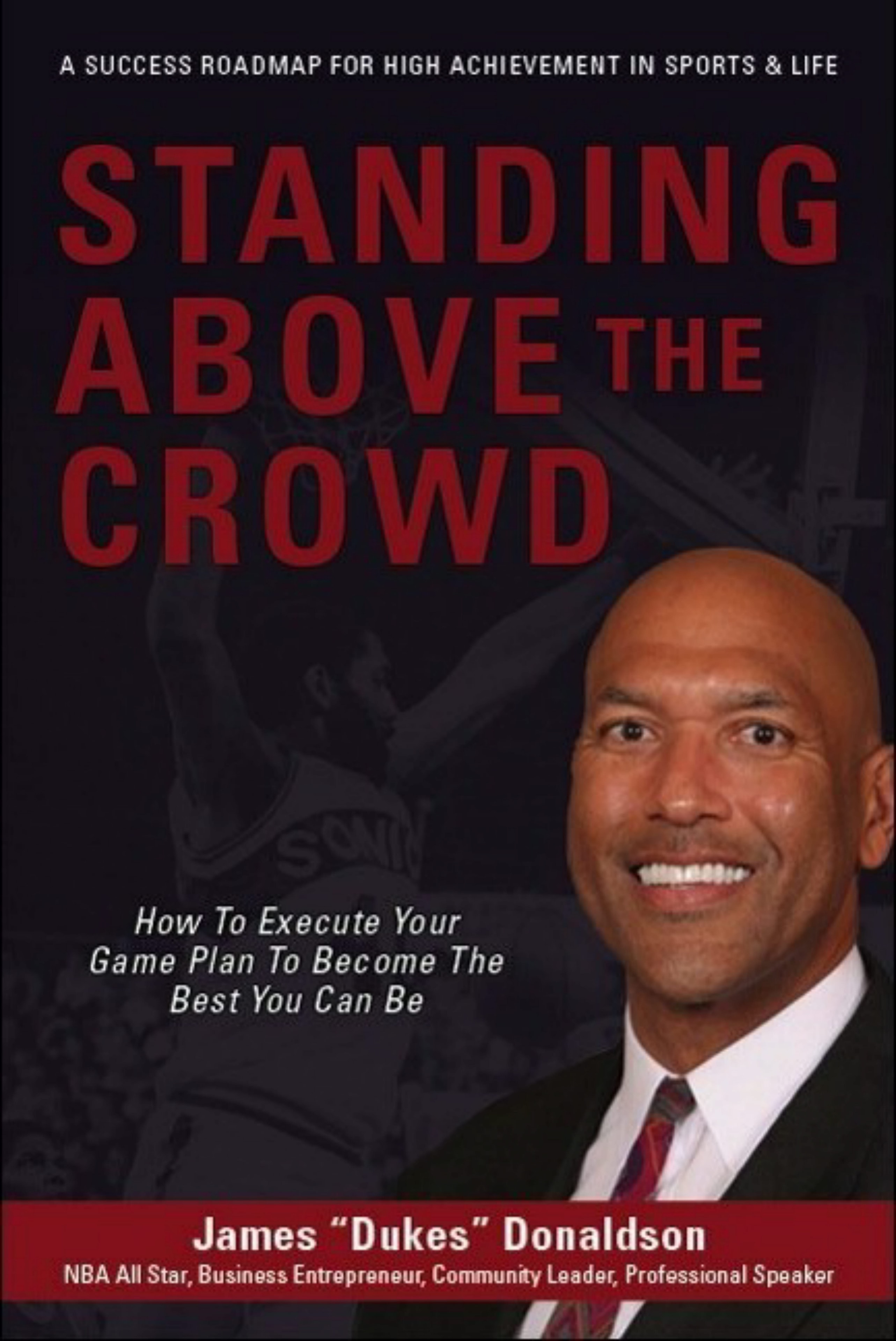
Standing Above the Crowd
Inspiring stories of resilience, hope, and mental wellness
Order & Get It Signed
James Donaldson
Author, Speaker & Mental Health Advocate · Standing Above the Crowd
James Donaldson is a former NBA All-Star (1988, Dallas Mavericks) who played 20 years of professional basketball with the Seattle SuperSonics, L.A. Clippers, Dallas Mavericks, New York Knicks, Utah Jazz, and teams across Europe, before touring with the Harlem Globetrotters. A Washington State University graduate inducted into both the Pac-10 and WSU Athletic Halls of Fame, James went on to found The Donaldson Clinic, an outpatient physical therapy practice he operated for nearly three decades. Today he devotes his time to mental health awareness and suicide prevention — speaking to organizations, schools, and youth groups — and is the author of Standing Above the Crowd and Celebrating Your Gift of Life (2021). James recently relocated to the Dallas, TX area and believes deeply in being a role model of success and professionalism for the young people he serves.