8 min read

Peer-Reviewed Publication Vanderbilt University Medical Center Loneliness plays an important role in the development of suicidal ideation, thoughts of ending one’s life, which precedes nearly every su
Peer-Reviewed Publication Vanderbilt University Medical Center Loneliness plays an important role in the development of suicidal ideation, thoughts of ending one’s life, which precedes nearly every suicidal death, according to a study by researchers at Vanderbilt Health.
Their findings, published March 4 in the journal JAMA Network Open , suggest that reducing loneliness could “arrest some of the progression from anxiety and depressive symptoms toward suicidal ideation,” and thus help prevent suicide, which claims more than 48,000 lives in the United States every year.
The study analyzed survey data collected from 633,000 participants in the National Institutes of Health All of Us Research Program , an effort to advance precision medicine by collecting and evaluating health information, including genomic data, from 1 million U.S.
While depressive symptoms held the strongest correlation with suicidal ideation, followed by anxiety symptoms and then loneliness, the researchers discovered that loneliness “mediated,” or was a factor in much of the association between depression, anxiety and suicidal thoughts.
Click here to follow James Donaldson's Blog “This study shows us that by treating loneliness we might be able to buffer some of the impacts that anxiety and depression have on suicidal ideation,” said the paper’s first author, Katherine Musacchio Schafer , PhD, MS, MEd, assistant professor of Biomedical Informatics at Vanderbilt Health.
Treating depression and anxiety with cognitive behavioral therapy and medication has for decades been a primary approach to reducing suicidal thoughts and preventing suicide.
But for many Americans, access to mental health care is limited.
Because of a nationwide shortage of qualified clinicians, the cost of these interventions, and the social stigma associated with receiving care, mental health treatment is often out of reach.
A person-centered approach to reducing loneliness that helps people engage with others might be more feasible.
“There is a nationwide shortage in mental health providers, and because of that, findings from our study have very real relevance for everyday Americans,” said Schafer, who is a?clinical psychologist with expertise in the intersection of suicide prevention and informatics.
From the Author
Order today and James will personally sign your copy — a meaningful keepsake from an NBA All-Star and mental health advocate.
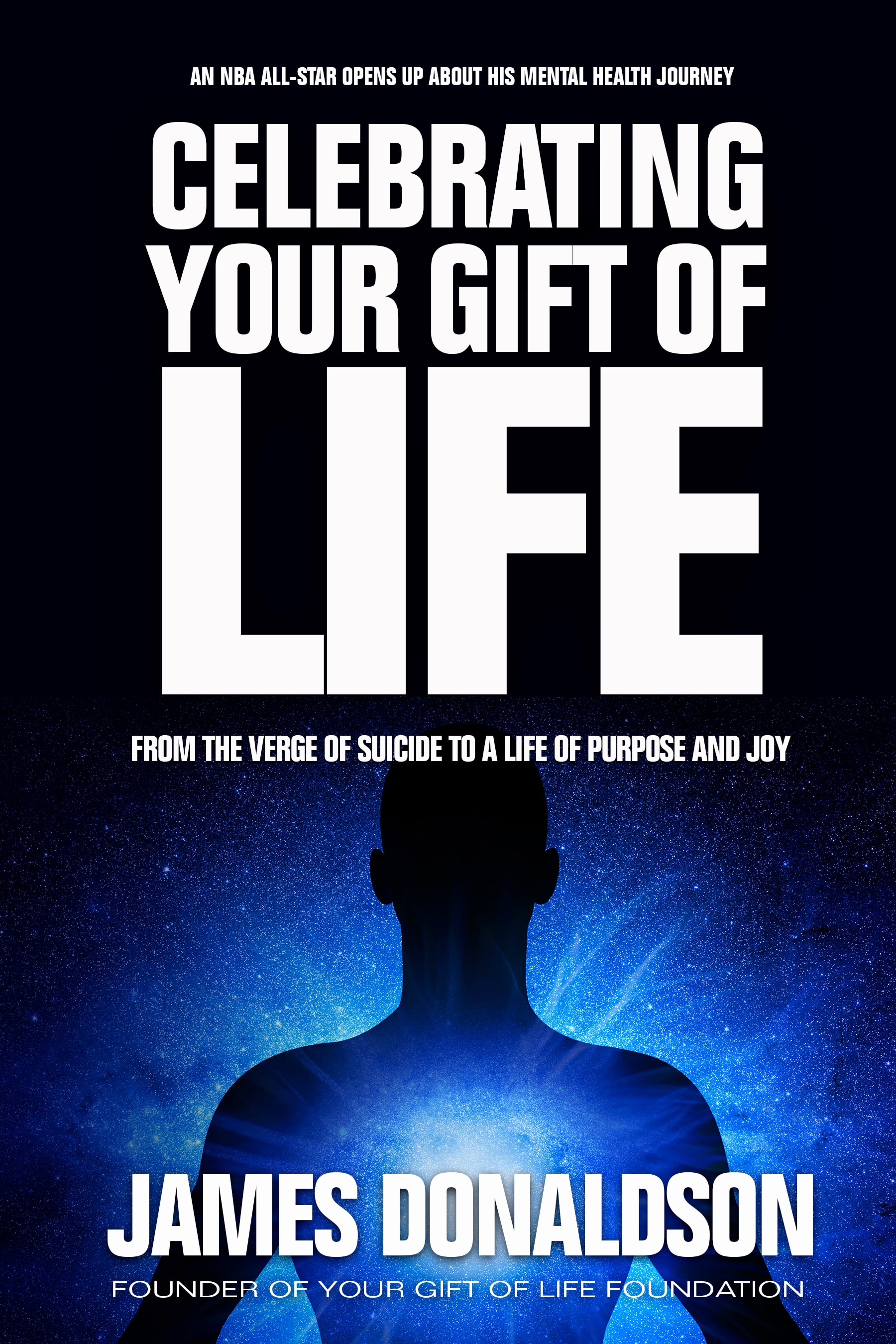
Celebrating Your Gift of Life
From the verge of suicide to a life of purpose and joy
Order & Get It Signed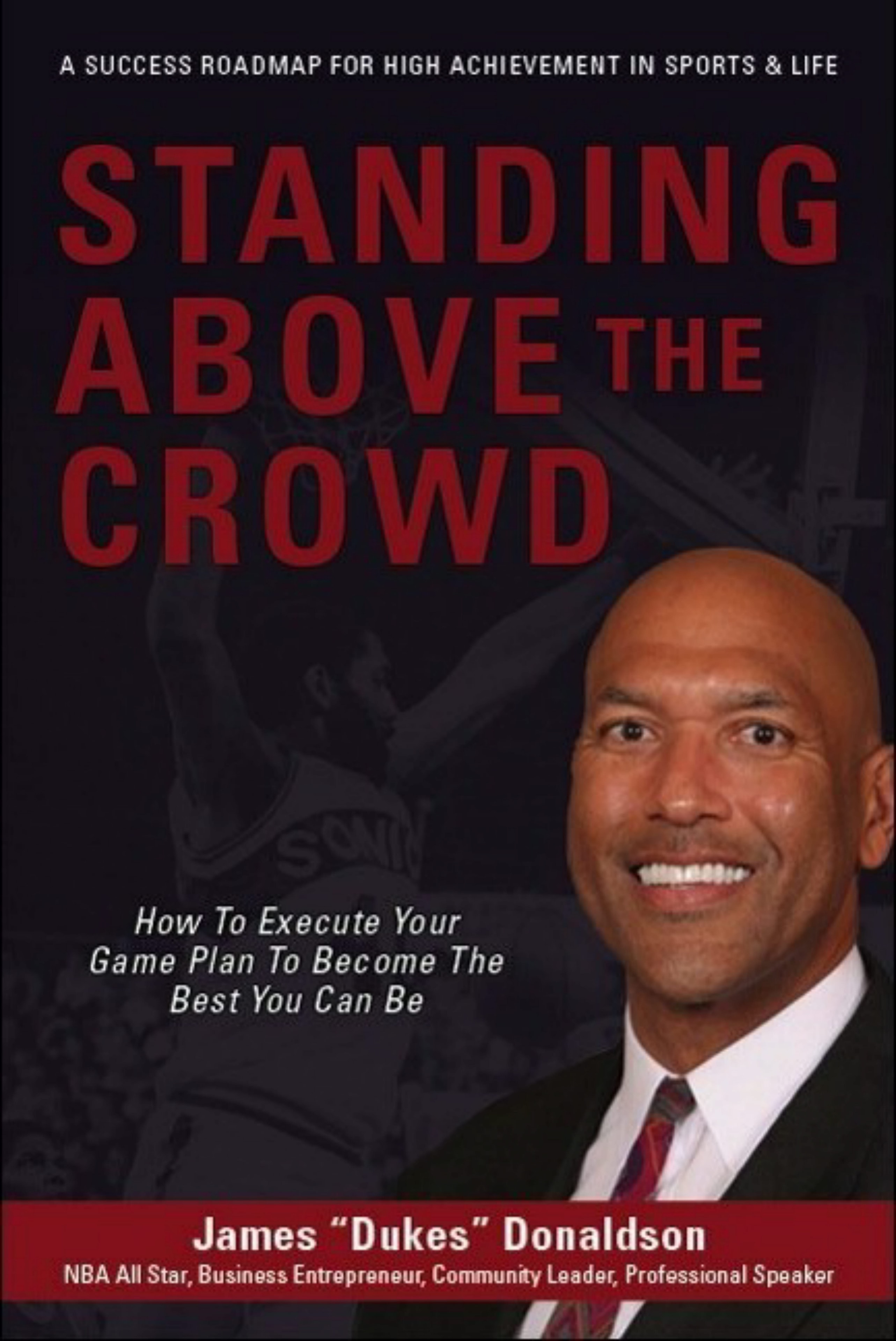
Standing Above the Crowd
Inspiring stories of resilience, hope, and mental wellness
Order & Get It Signed
James Donaldson
Author, Speaker & Mental Health Advocate · Standing Above the Crowd
James Donaldson is a former NBA All-Star (1988, Dallas Mavericks) who played 20 years of professional basketball with the Seattle SuperSonics, L.A. Clippers, Dallas Mavericks, New York Knicks, Utah Jazz, and teams across Europe, before touring with the Harlem Globetrotters. A Washington State University graduate inducted into both the Pac-10 and WSU Athletic Halls of Fame, James went on to found The Donaldson Clinic, an outpatient physical therapy practice he operated for nearly three decades. Today he devotes his time to mental health awareness and suicide prevention — speaking to organizations, schools, and youth groups — and is the author of Standing Above the Crowd and Celebrating Your Gift of Life (2021). James recently relocated to the Dallas, TX area and believes deeply in being a role model of success and professionalism for the young people he serves.