8 min read

Ronke Lawal, MBA There is a father somewhere on the internet, grieving his son on camera, doing the brave and devastating work of converting his loss into warning signs for someone else’s child.
Ronke Lawal, MBA There is a father somewhere on the internet, grieving his son on camera, doing the brave and devastating work of converting his loss into warning signs for someone else’s child.
He lists them carefully: if someone tidy becomes constantly disorganized, if nothing excites them anymore, if the texture of their daily life has quietly collapsed, please speak to someone, get professional help.
The comments beneath the video tell you everything about how that advice lands.
“Getting professional help feels like a joke.” “I once called the suicide hotline and was put on hold.” These are not cynics, just people who have already tried.
There is a counselor, published and celebrated, positioned by his institution as a mental health care trendsetter, who once sat across from a student in the middle of a breakdown.
She had been directed to him as someone who would help her navigate the crisis, ensuring she did not fall apart or fall behind.
She sat there crying through several paper towels, narrating the abuse that had brought her to that room, with no idea that the man across from her was working through a large jug of milkshake.
She only discovered this when he took a loud sip and she looked up to find him staring at her with the flat affect of someone watching paint dry.
After the session, he sent an email that translated to: I didn’t quite follow what you were saying, but I hope you’re ready for next time.
This is the person the clinical system designated as her lifeline.
From the Author
Order today and James will personally sign your copy — a meaningful keepsake from an NBA All-Star and mental health advocate.
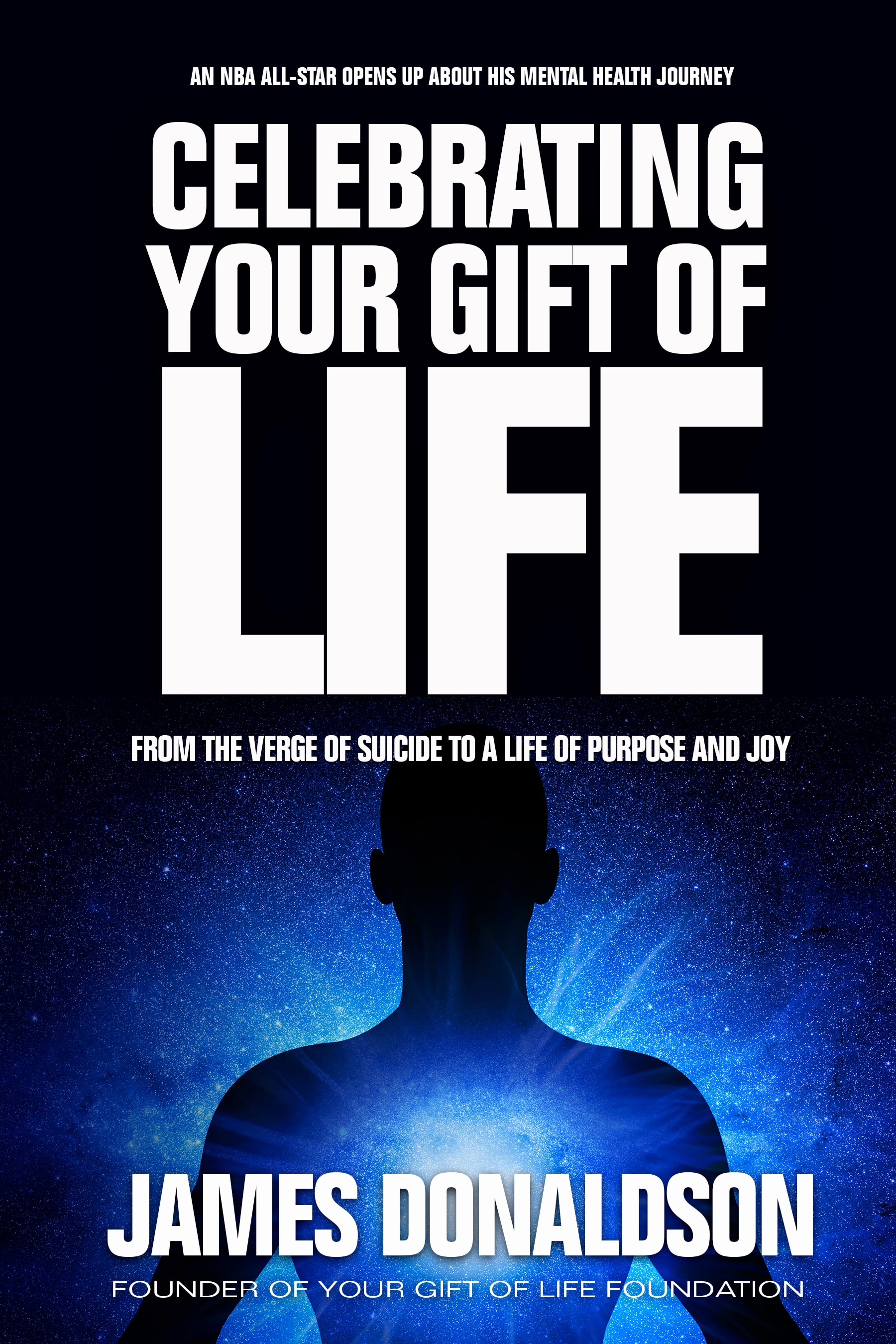
Celebrating Your Gift of Life
From the verge of suicide to a life of purpose and joy
Order & Get It Signed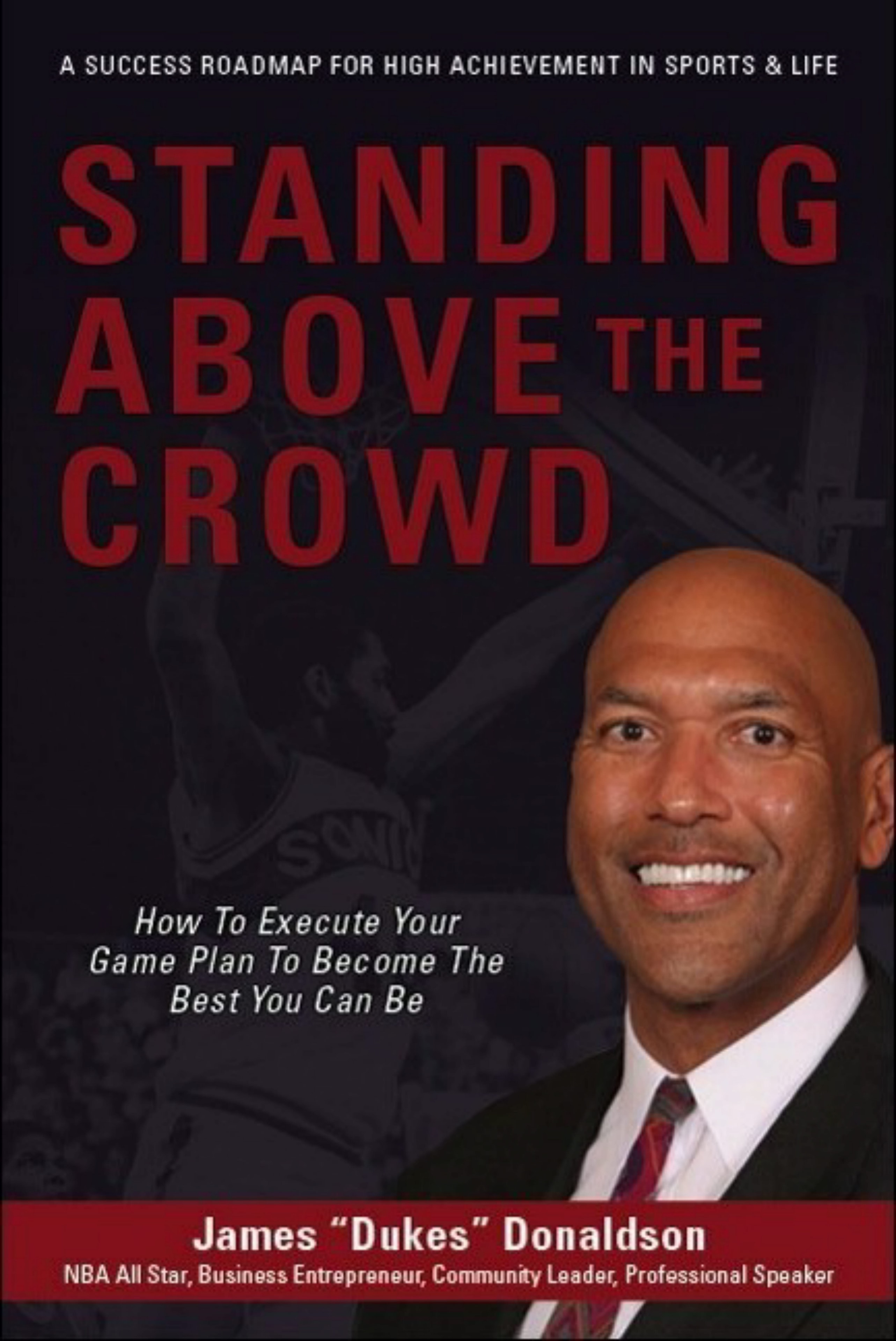
Standing Above the Crowd
Inspiring stories of resilience, hope, and mental wellness
Order & Get It Signed
James Donaldson
Author, Speaker & Mental Health Advocate · Standing Above the Crowd
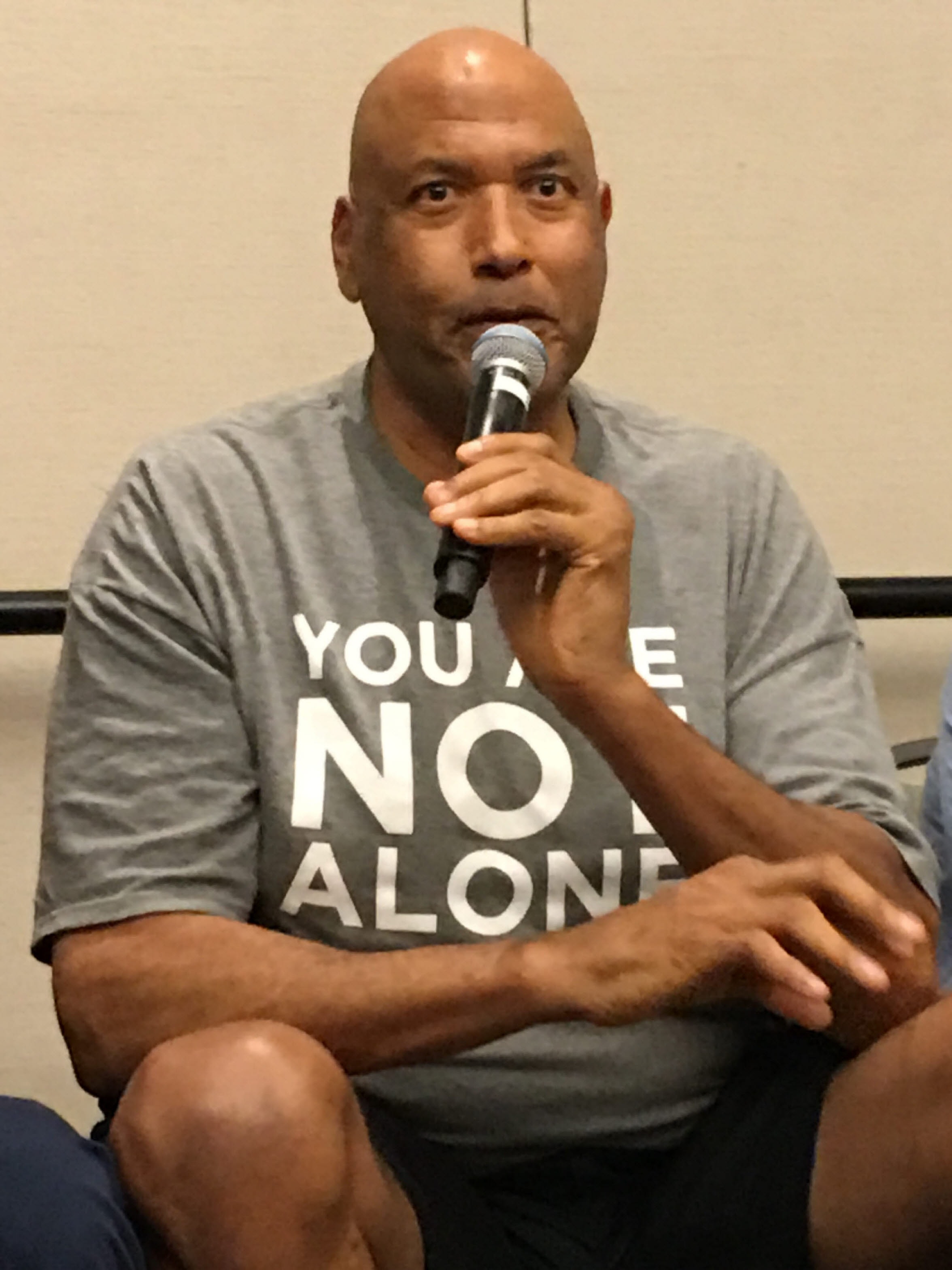
James Donaldson is a former NBA All-Star (1988, Dallas Mavericks) who played 20 years of professional basketball with the Seattle SuperSonics, L.A. Clippers, Dallas Mavericks, New York Knicks, Utah Jazz, and teams across Europe, before touring with the Harlem Globetrotters. A Washington State University graduate inducted into both the Pac-10 and WSU Athletic Halls of Fame, James went on to found The Donaldson Clinic, an outpatient physical therapy practice he operated for nearly three decades. Today he devotes his time to mental health awareness and suicide prevention — speaking to organizations, schools, and youth groups — and is the author of Standing Above the Crowd and Celebrating Your Gift of Life (2021). James recently relocated to the Dallas, TX area and believes deeply in being a role model of success and professionalism for the young people he serves.