8 min read
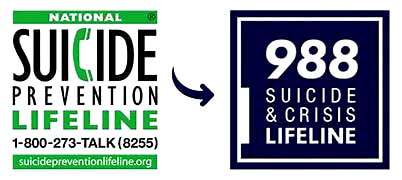
By Liz Seegert Photo: 988 Suicide & Crisis Lifeline Four years after the launch of the 988 Suicide & Crisis Lifeline , more than 26 million people have used the number to connect with trained crisis c
By Liz Seegert Photo: 988 Suicide & Crisis Lifeline Four years after the launch of the 988 Suicide & Crisis Lifeline , more than 26 million people have used the number to connect with trained crisis counselors by phone, text or online chat.
But many older adults, who face one of the nation’s highest suicide risks, remain largely unaware that this resource exists, a new poll finds.
A new University of Michigan National Poll on Healthy Aging found that nearly one-third (31%) of adults age 50 and older said they have never heard of any mental health crisis line.
Nearly seven in 10 (69%) said they had never heard specifically of 988, suggesting that while some recognized older crisis resources, awareness of the national three-digit number remains low.
The findings point to a significant challenge for public health professionals and for journalists covering aging and mental health.
Expanding crisis services is only one part of suicide prevention.
Knowing where to turn, understanding what will happen when people reach out, and trusting that services will address their concerns are also critical.
Although suicide prevention efforts have increasingly focused on adolescents and younger adults, researchers say older adults require tailored strategies that account for the realities of later life.
Why awareness matters A 2025 review published in Nature Reviews Psychology found that older adults have higher suicide rates than other age groups and that older people who engage in self-harm are more likely to have greater intentions to die and use more lethal methods.
The review identified several age-related contributors, including declining health, loss of independence, reduced social connection, bereavement and barriers to mental health care.
From the Author
Order today and James will personally sign your copy — a meaningful keepsake from an NBA All-Star and mental health advocate.
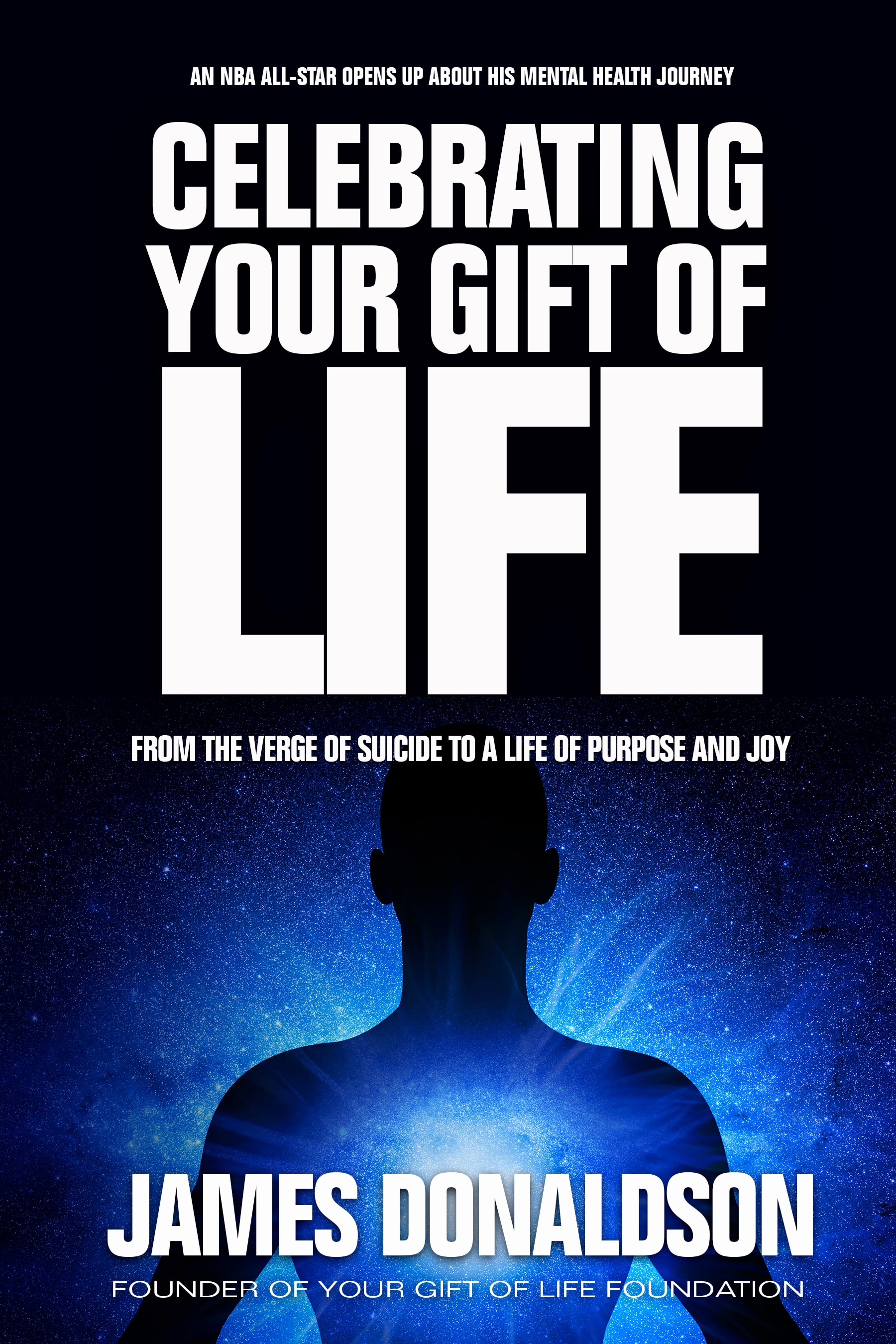
Celebrating Your Gift of Life
From the verge of suicide to a life of purpose and joy
Order & Get It Signed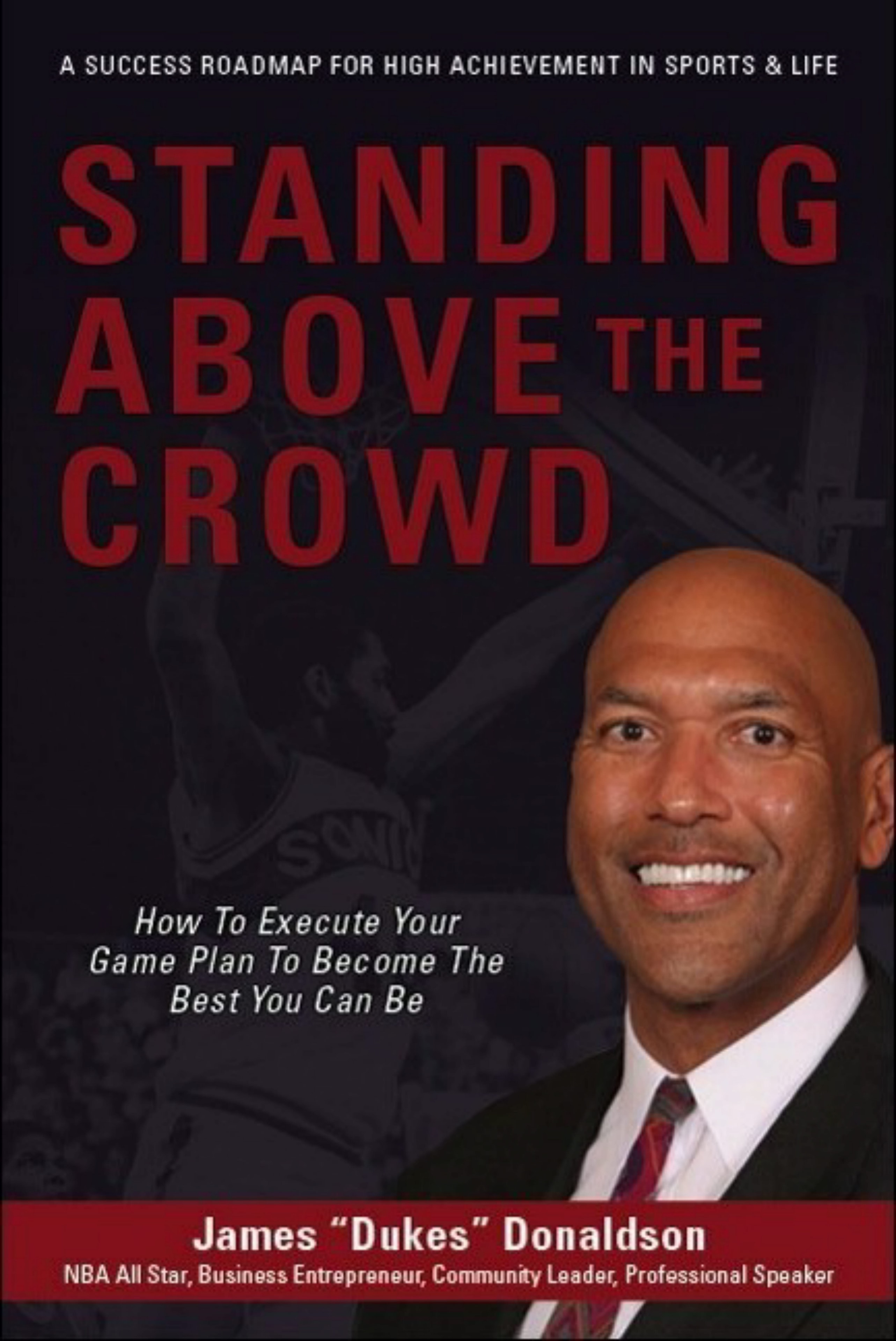
Standing Above the Crowd
Inspiring stories of resilience, hope, and mental wellness
Order & Get It Signed
James Donaldson
Author, Speaker & Mental Health Advocate · Standing Above the Crowd
James Donaldson is a former NBA All-Star (1988, Dallas Mavericks) who played 20 years of professional basketball with the Seattle SuperSonics, L.A. Clippers, Dallas Mavericks, New York Knicks, Utah Jazz, and teams across Europe, before touring with the Harlem Globetrotters. A Washington State University graduate inducted into both the Pac-10 and WSU Athletic Halls of Fame, James went on to found The Donaldson Clinic, an outpatient physical therapy practice he operated for nearly three decades. Today he devotes his time to mental health awareness and suicide prevention — speaking to organizations, schools, and youth groups — and is the author of Standing Above the Crowd and Celebrating Your Gift of Life (2021). James recently relocated to the Dallas, TX area and believes deeply in being a role model of success and professionalism for the young people he serves.