8 min read

Seventeen veteran suicide deaths every single day. That number should stop all of us cold. The Wounded Warrior Project is doing critical work to change it — and their approach offers lessons for all of us about how to talk about suicide, recognize the warning signs, and show up for the people we love before a crisis begins.
Seventeen veteran suicide deaths every single day.
That's the number reported by the Department of Veterans Affairs in its most recent National Veteran Suicide Prevention Annual Report. Seventeen people who served this country — who put on a uniform, who deployed, who came home carrying things most of us will never fully understand — dying by suicide every single day.
Suicide is also the second-leading cause of death for veterans under the age of 45. And according to the most recent Wounded Warrior Project Warrior Survey, more than 1 in 4 warriors reported having suicidal thoughts in the past 12 months.
These numbers are not abstract to me. I've spent years working in mental health advocacy, and I've seen firsthand how the silence around suicide — the stigma, the avoidance, the sense that it's too dark or too dangerous to discuss — costs lives. So today I want to address some of the most common questions about veteran suicide directly, drawing on the work of the Wounded Warrior Project and the story of Army veteran Joe Stabley.
What Are the Warning Signs?
Lyndsay Tkach, WWP's Mental and Brain Health Services director, puts it plainly: "We should be as familiar with the signs that somebody might be contemplating suicide as we are with signs of a stroke or heart attack. And we should know how to ask the question."
Warning signs can include:
Statements like "Some days I just don't want to wake up" should always be taken seriously — never dismissed as venting or exaggeration.
How Do I Ask If Someone Is Thinking About Suicide?
Be direct, calm, and nonjudgmental. If someone is describing a painful situation and seems unable to see a way forward, acknowledge what you're hearing and ask plainly: "Are you thinking about suicide?"
Research and crisis-prevention guidance are clear: asking directly does not plant the idea of suicide or increase suicidal thoughts. It does the opposite — it opens a door, reduces isolation, and tells the person they are seen.
Tkach offers this framing: "You can say, 'I hear you saying a lot of things, and it sounds like you're losing hope right now. I'm going to ask this because it's important: Are you thinking of suicide?'"
What Do I Do If the Answer Is Yes?
Take the answer seriously. Listen without judgment. Stay present. Help the person connect with trained support. If there is imminent danger, call 911.
And remember this: you are not responsible for fixing the situation or creating hope for someone else. Your role is to stay present, reinforce that the crisis can change, and connect the person with support. "You don't give someone hope — that's not your responsibility," Tkach says. "What you can do is help them see that you're there, that how they're feeling right now is temporary, and that support and resources are available. They do not have to go through it alone."
Joe Stabley's Story: Recovery Is Possible
Army veteran Joe Stabley lost a close friend to suicide before 9/11 — a loss surrounded by silence that haunted him for years. Over time, he accumulated his own trauma, chronic stress, and suicidal thoughts. His wife and children gave him a reason to pause. But choosing to stay was only the beginning.
Recovery took 12 years. Different jobs, different medications, different programs. Progress was not a straight line. But today, Joe says: "I'm living a dream now. Things aren't perfect, but they're definitely so much better than they were."
His message to anyone in their darkest moment: "By asking for help, you really have the opportunity to rewrite the next chapters in your life. Trying to go about it alone is the wrong answer."
If you or a veteran you love is struggling, please reach out. Call or text 988 and press 1 to reach the Veterans Crisis Line, available 24/7. You can also text 838255 or chat at VeteransCrisisLine.net. Help is there. You don't have to go through it alone.
From the Author
Order today and James will personally sign your copy — a meaningful keepsake from an NBA All-Star and mental health advocate.
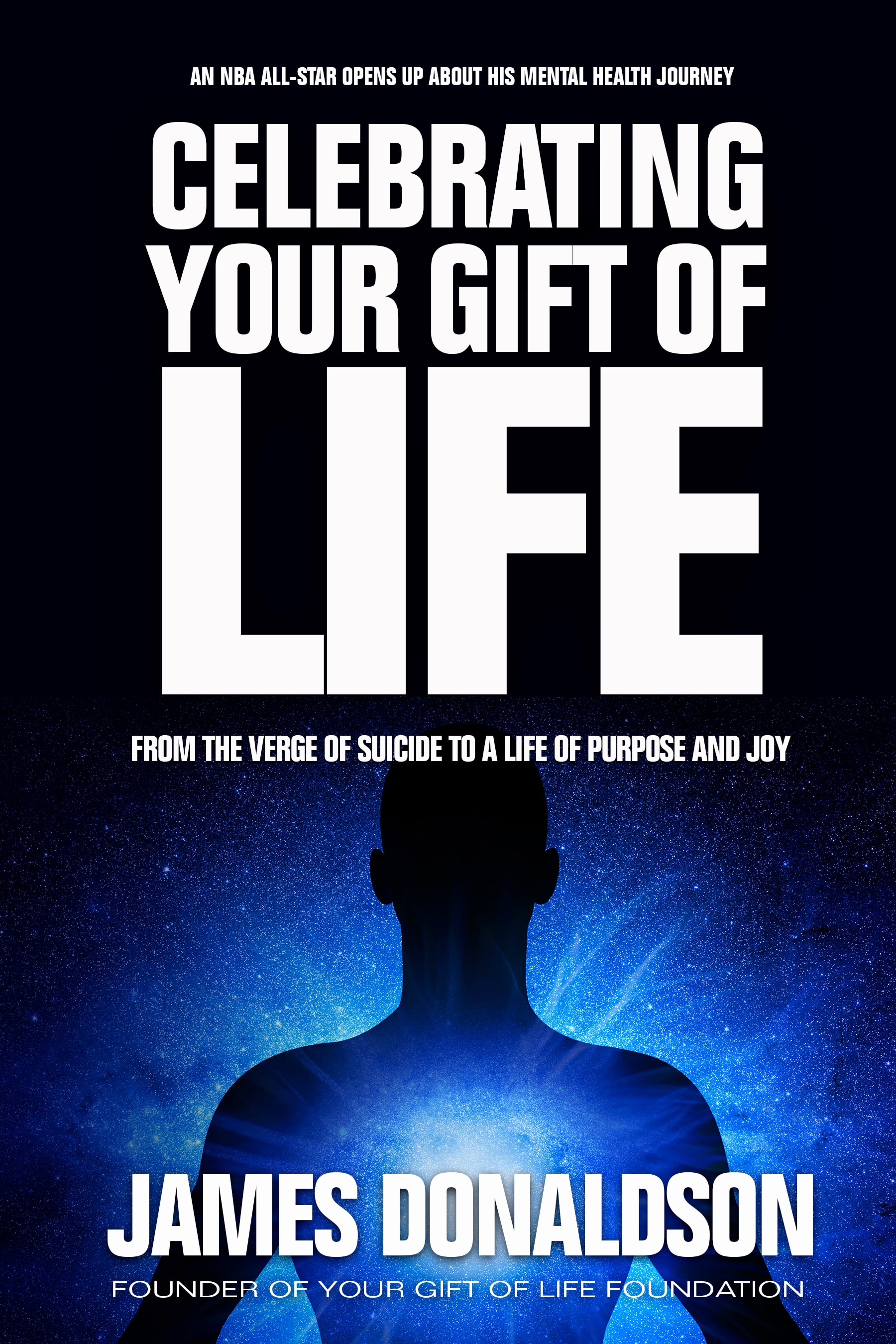
Celebrating Your Gift of Life
From the verge of suicide to a life of purpose and joy
Order & Get It Signed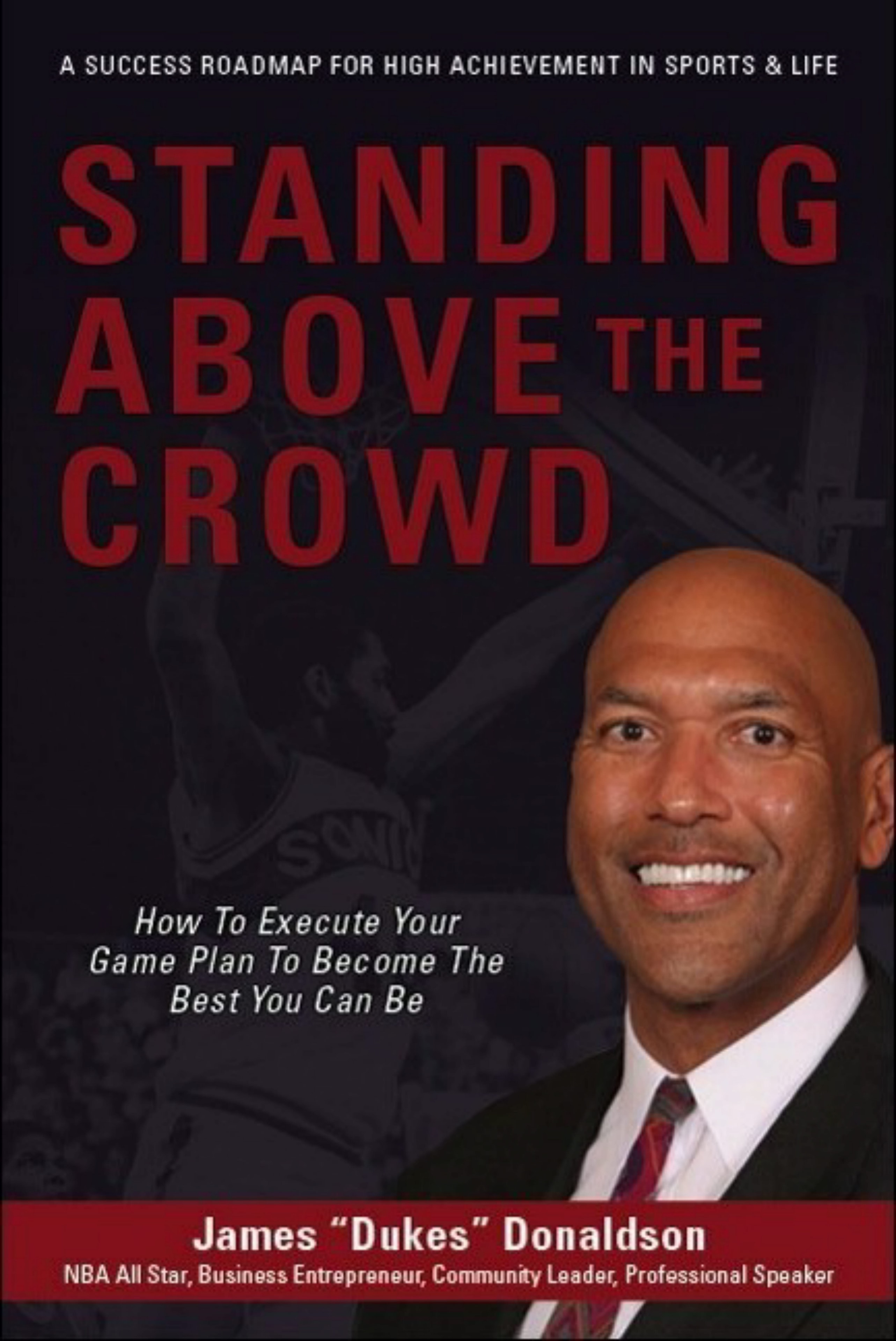
Standing Above the Crowd
Inspiring stories of resilience, hope, and mental wellness
Order & Get It Signed
James Donaldson
Author, Speaker & Mental Health Advocate · Standing Above the Crowd
James Donaldson is a former NBA All-Star (1988, Dallas Mavericks) who played 20 years of professional basketball with the Seattle SuperSonics, L.A. Clippers, Dallas Mavericks, New York Knicks, Utah Jazz, and teams across Europe, before touring with the Harlem Globetrotters. A Washington State University graduate inducted into both the Pac-10 and WSU Athletic Halls of Fame, James went on to found The Donaldson Clinic, an outpatient physical therapy practice he operated for nearly three decades. Today he devotes his time to mental health awareness and suicide prevention — speaking to organizations, schools, and youth groups — and is the author of Standing Above the Crowd and Celebrating Your Gift of Life (2021). James recently relocated to the Dallas, TX area and believes deeply in being a role model of success and professionalism for the young people he serves.