8 min read
By your 30s, society expects you to have it all figured out. But for many people, that decade brings a crushing convergence of pressures — career, finances, relationships, family — that can quietly overwhelm even those who appear to be thriving. I want to talk about why this matters, and what we can do about it.
By your 30s, society expects you to have it all figured out. A stable career. A home. A relationship. Maybe kids. And if you're caring for aging parents on top of all that — well, you're just supposed to handle it.
But here's the truth that the numbers are now confirming: that expectation is quietly killing people.
Suicide deaths among adults in their 30s rose by 50 percent in Singapore in just one year — from 66 cases in 2023 to 99 in 2024. While deaths declined across nearly every other age group, this one went up. And I don't think Singapore is alone. I believe we're seeing a global pattern that we need to talk about openly and honestly.
The Gap Between Where You Are and Where You "Should" Be
Dr. Daniel Fung, a senior consultant in developmental psychiatry, put it perfectly: "At 20, uncertainty can feel normal. At 35, the same uncertainty may be experienced as failure."
That sentence stopped me cold when I read it. Because it's so true. The same financial stress, the same relationship struggles, the same career confusion that felt like a normal part of life at 22 can feel like a catastrophic personal failure at 35. The world hasn't changed — but the internal pressure has ratcheted up enormously.
And here's what makes it even more dangerous: people in their 30s who are struggling often look fine from the outside. They're showing up to work. They're posting on social media. They're functioning. But beneath the surface, they're asking a question that haunts them: "Who really knows me?"
The Hidden Struggle Beneath the Surface
Shantini Sathiyanesan, a counselor with the Samaritans of Singapore, described it this way: "The question they ask is, 'Who really knows me?' That incongruence can also intensify their suicidal thoughts. Because they feel unseen, misunderstood or lonely, despite having people around them."
I've heard this from so many people over the years in my work as a mental health advocate. The loneliness isn't always about being physically alone. It's about feeling like no one truly sees what you're carrying. And when external markers of success make it even harder to speak up — because "everybody thinks you're doing well" — the silence becomes its own prison.
Men are particularly vulnerable here. Suicide deaths are disproportionately male, and men are among the least likely to seek help. That's not weakness — it's a cultural conditioning that we have to actively work to undo.
What We Can Do — Starting Today
Experts are clear that suicide prevention needs to start well before a crisis point. That means paying attention to the transitions and losses in people's lives — a job change, a divorce, a financial setback, a new diagnosis. It means asking not just "Who is suicidal?" but "Who is becoming disconnected, overwhelmed, or hopeless?"
And it means being willing to ask the direct question. Shantini suggests this approach: "I'm sorry if this is awkward to ask, but I am concerned about you. Are you thinking about suicide?" Contrary to what many people fear, asking this question does not plant the idea. It opens a door. It says: you are seen, and you don't have to carry this alone.
If you're in your 30s and you're struggling — with finances, with relationships, with the gap between where you are and where you thought you'd be — please know this: you are not failing. You are human. And there is help available.
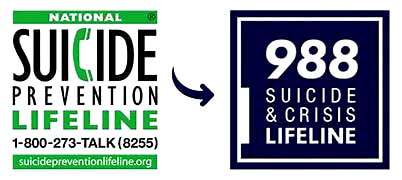
If you or someone you know is in crisis, please call or text 988 to reach the Suicide & Crisis Lifeline. You deserve support. You deserve to be seen.
From the Author
Order today and James will personally sign your copy — a meaningful keepsake from an NBA All-Star and mental health advocate.
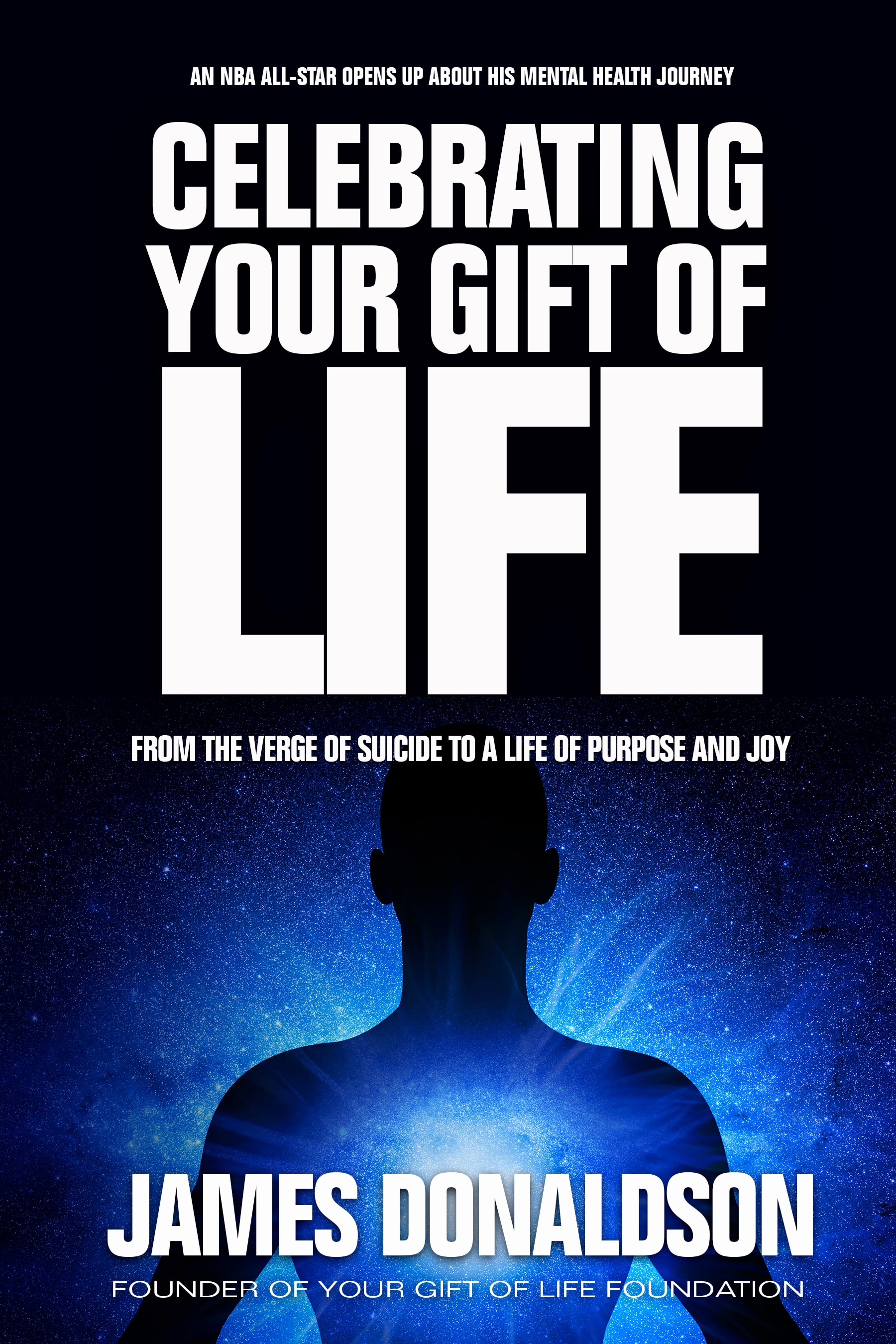
Celebrating Your Gift of Life
From the verge of suicide to a life of purpose and joy
Order & Get It Signed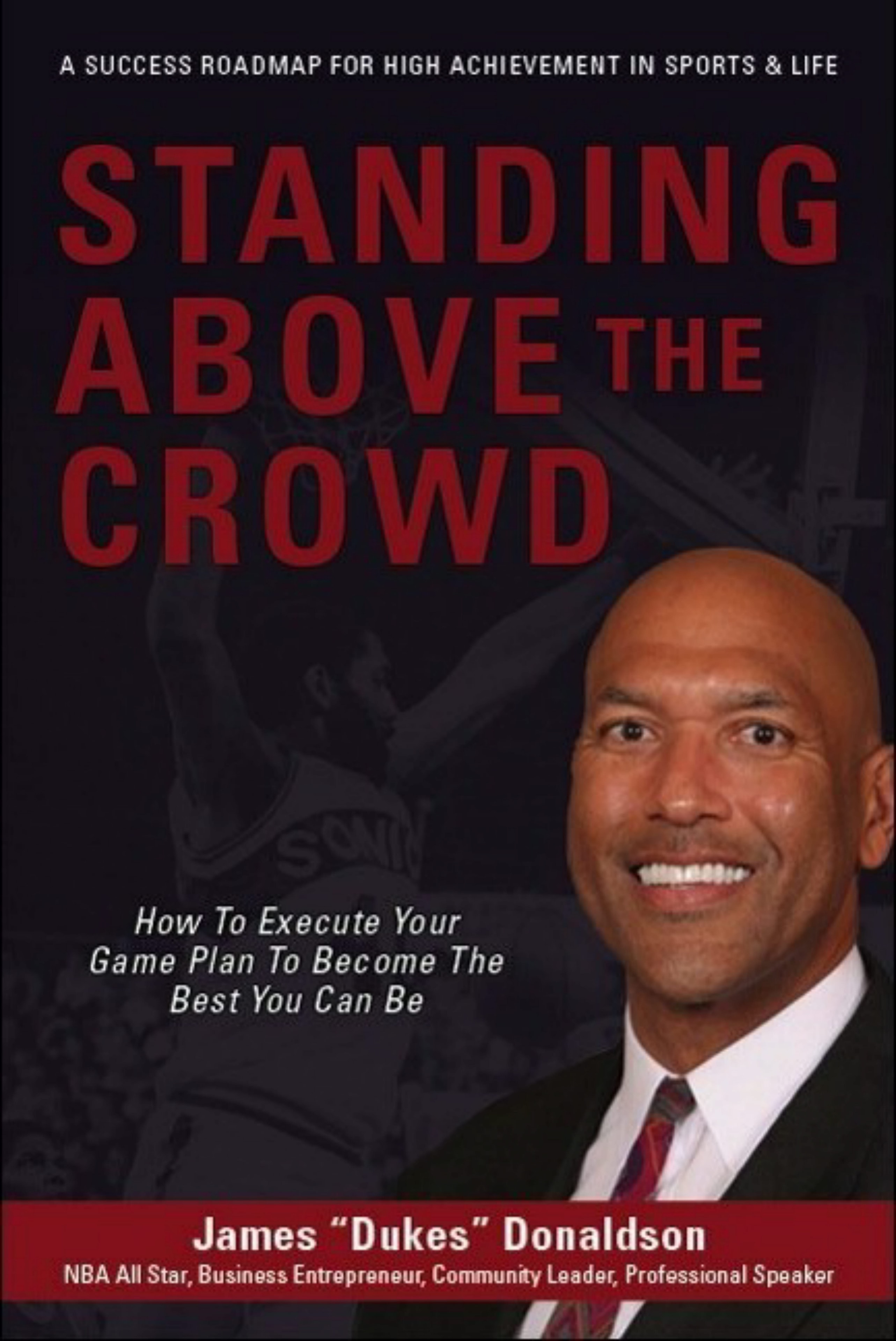
Standing Above the Crowd
Inspiring stories of resilience, hope, and mental wellness
Order & Get It Signed
James Donaldson
Author, Speaker & Mental Health Advocate · Standing Above the Crowd
James Donaldson is a former NBA All-Star (1988, Dallas Mavericks) who played 20 years of professional basketball with the Seattle SuperSonics, L.A. Clippers, Dallas Mavericks, New York Knicks, Utah Jazz, and teams across Europe, before touring with the Harlem Globetrotters. A Washington State University graduate inducted into both the Pac-10 and WSU Athletic Halls of Fame, James went on to found The Donaldson Clinic, an outpatient physical therapy practice he operated for nearly three decades. Today he devotes his time to mental health awareness and suicide prevention — speaking to organizations, schools, and youth groups — and is the author of Standing Above the Crowd and Celebrating Your Gift of Life (2021). James recently relocated to the Dallas, TX area and believes deeply in being a role model of success and professionalism for the young people he serves.