8 min read
Suicide prevention isn't just the job of mental health professionals. It belongs to all of us — neighbors, coworkers, friends, family members. The good news is that you don't need special training to make a difference. You just need to know what to look for and be willing to ask.
More than 48,000 people die by suicide in the United States every year. Behind every one of those numbers is a person — someone's child, parent, friend, colleague. And connected to every person who was lost are the people who loved them, who may have sensed something was wrong but didn't know what to say or do.
I want to change that. Because the truth is, everyone can help. You don't need a degree in psychology or a license in counseling. You need awareness, compassion, and the willingness to show up for someone who is hurting.
Know the Risk Factors
No single thing causes suicidal thoughts. Risk factors are typically a combination of circumstances, including:
Sandra Dixon, Director of Behavioral Health Integration at LMH Health, shared some of the phrases that may signal someone is at risk: "I don't think I can handle this anymore." "I'm tired of dealing with this." "I am such a failure." "It would be easier if I wasn't here." "There is no hope that this will get better."
If you hear words like these — even said casually, even said with a laugh — take them seriously. They are an invitation to connect.
Ask the Question Directly
One of the most important things you can do is ask directly. Dixon puts it simply: "Asking the question opens the door to a conversation, and it isn't complicated. Just saying, 'I'm concerned about you and I'm here to listen. Are you thinking about suicide?' It's hard, but it can make all the difference."
I know that question feels scary. Most of us worry we'll say the wrong thing, make it worse, or somehow plant an idea that wasn't there. But the research is clear: asking someone directly about suicide does not increase their risk. It reduces their isolation. It tells them they are seen.
Mental Health First Aid: CPR for the Mind
One of the most practical tools available to everyday people is Mental Health First Aid training. Morgan Carnagie, an employee health and wellbeing manager, describes it this way: "We learn CPR to be able to help our friends, families, neighbors and strangers. This is kind of the same thing, from a mental health perspective."
Mental Health First Aid teaches you to recognize the signs of mental health and substance use challenges, understand what someone in crisis might be experiencing, and provide initial support while guiding them toward professional care. It doesn't replace professional help — it bridges the gap until professional help is available.
I encourage everyone to look into this training. It could be the most important thing you learn this year.
Know Where to Turn
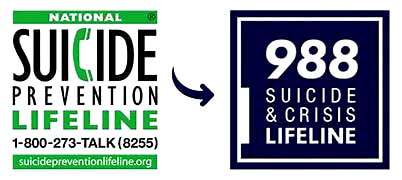
When someone is in crisis, knowing where to direct them matters. Here are the key resources:
If you are with someone who says they are thinking about suicide, you can ask: "Can we call the 988 crisis line together to talk to someone?" That simple offer — to stay with them, to make the call together — can be the difference between someone reaching out and someone suffering alone.
We all have a role to play in this. Suicide prevention is not someone else's job. It's ours — together. And every one of us has the capacity to be the person who makes a difference in someone's life.
From the Author
Order today and James will personally sign your copy — a meaningful keepsake from an NBA All-Star and mental health advocate.
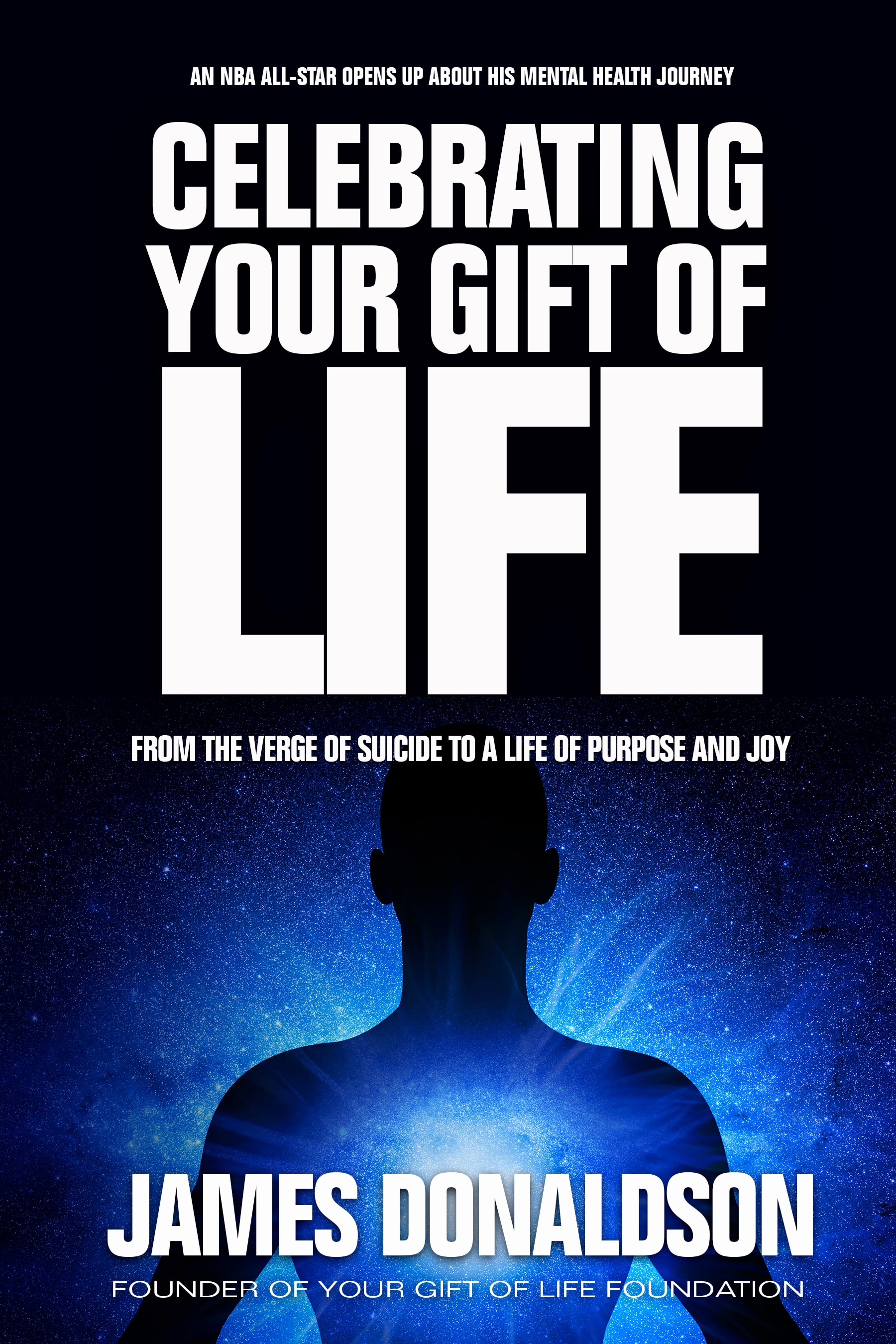
Celebrating Your Gift of Life
From the verge of suicide to a life of purpose and joy
Order & Get It Signed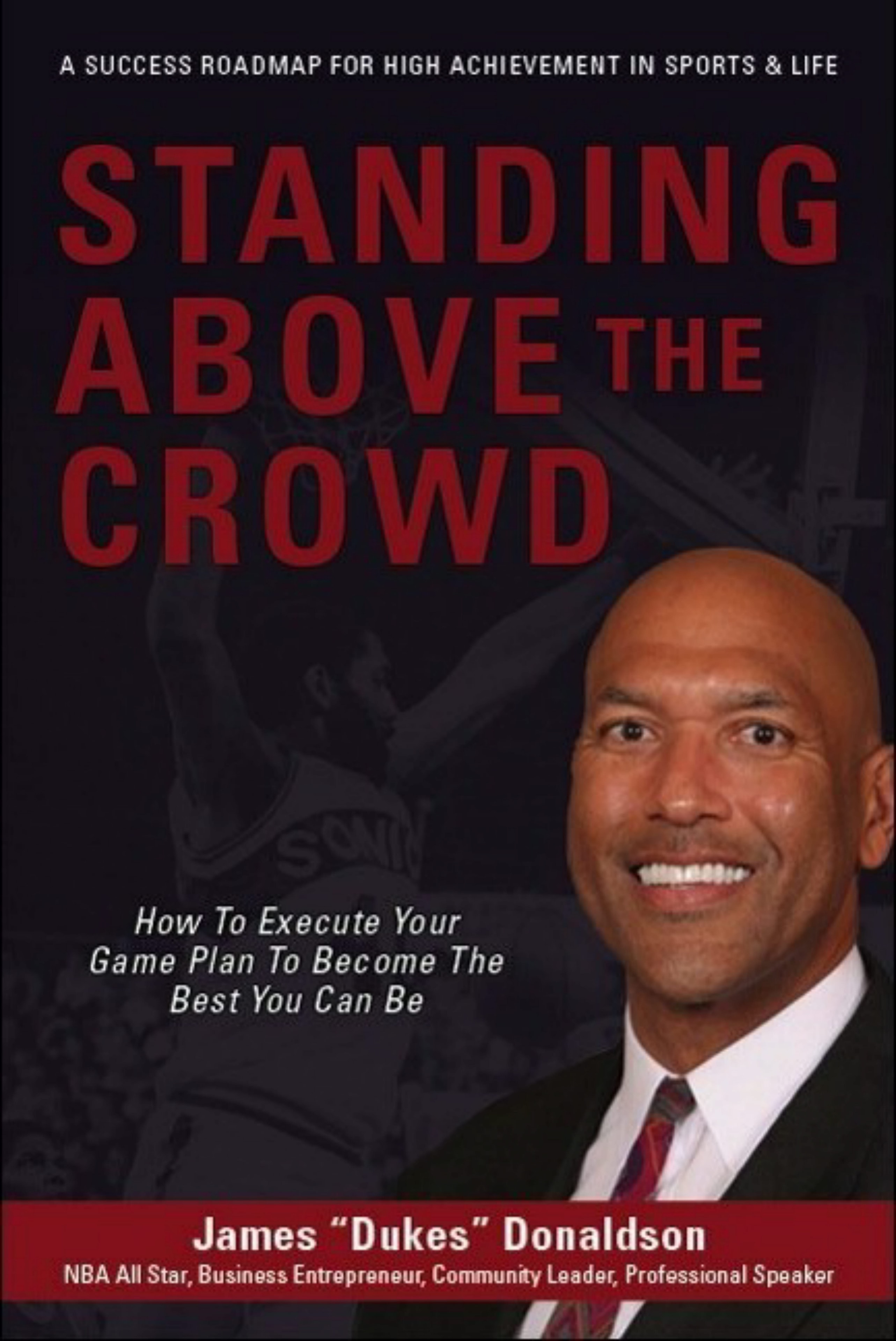
Standing Above the Crowd
Inspiring stories of resilience, hope, and mental wellness
Order & Get It Signed
James Donaldson
Author, Speaker & Mental Health Advocate · Standing Above the Crowd
James Donaldson is a former NBA All-Star (1988, Dallas Mavericks) who played 20 years of professional basketball with the Seattle SuperSonics, L.A. Clippers, Dallas Mavericks, New York Knicks, Utah Jazz, and teams across Europe, before touring with the Harlem Globetrotters. A Washington State University graduate inducted into both the Pac-10 and WSU Athletic Halls of Fame, James went on to found The Donaldson Clinic, an outpatient physical therapy practice he operated for nearly three decades. Today he devotes his time to mental health awareness and suicide prevention — speaking to organizations, schools, and youth groups — and is the author of Standing Above the Crowd and Celebrating Your Gift of Life (2021). James recently relocated to the Dallas, TX area and believes deeply in being a role model of success and professionalism for the young people he serves.