8 min read

There's a persistent myth that talking about suicide plants the idea in someone's head. The evidence says the opposite is true. Open, honest, compassionate conversation about depression and suicidality is one of the most powerful tools we have — and it's available to every single one of us.
I want to address a fear that I hear all the time — from parents, from friends, from colleagues who care deeply about someone they're worried about: "What if I bring it up and make things worse? What if talking about suicide gives them the idea?"
I understand that fear. It comes from love. But the evidence is clear, and I want you to hear it directly: talking about suicide does not cause suicide. In fact, asking someone directly if they are having suicidal thoughts is more likely to help relieve their distress than to increase it.
That's not my opinion. That's what the research shows, consistently, across multiple studies.
The Myth That Silence Protects
Jacqui Jennings, Suicide Prevention Lead at WA Primary Health Alliance, put it well: "Enabling suicidality to remain a taboo subject and burying our heads in the sand is not an effective suicide prevention strategy."
When we stay silent about depression and suicide — out of fear, discomfort, or the mistaken belief that we're protecting someone — we leave them alone with their pain. We reinforce the message that their struggle is too shameful, too frightening, too much to be spoken aloud. And that isolation is one of the most dangerous things a person in crisis can experience.
The evidence shows that when awareness campaigns about depression and suicide are designed responsibly — following established media and language guidelines — they have a positive effect on awareness, help-seeking behavior, and stigma reduction. Talking about it, done thoughtfully, saves lives.
What Depression Actually Looks Like
One of the most important things we can do is learn to recognize the early signs of depression — not just the ones we typically think of, but the subtler ones that often go unnoticed:
These signs can be easy to miss — especially in people who are still "functioning," still showing up, still getting through the day. But functioning and thriving are not the same thing.
How to Start the Conversation
You don't need to be a mental health professional to help someone who is struggling. You just need to be willing to ask. Here's a simple way to open the door:
"I've noticed you seem like you've been going through a hard time lately. I care about you, and I want you to know I'm here. Are you thinking about suicide?"
It might feel awkward. It might feel scary. But that question — asked with genuine care — can be the moment someone realizes they are not invisible, not alone, not beyond help.
And from there, you can connect them to resources. You can say: "You don't have to carry this on your own. Let's find some support together."
If you or someone you know needs help right now, please call or text 988 to reach the Suicide & Crisis Lifeline. Help is available 24 hours a day, 7 days a week. The conversation that feels hard to start might be the one that changes everything.
From the Author
Order today and James will personally sign your copy — a meaningful keepsake from an NBA All-Star and mental health advocate.
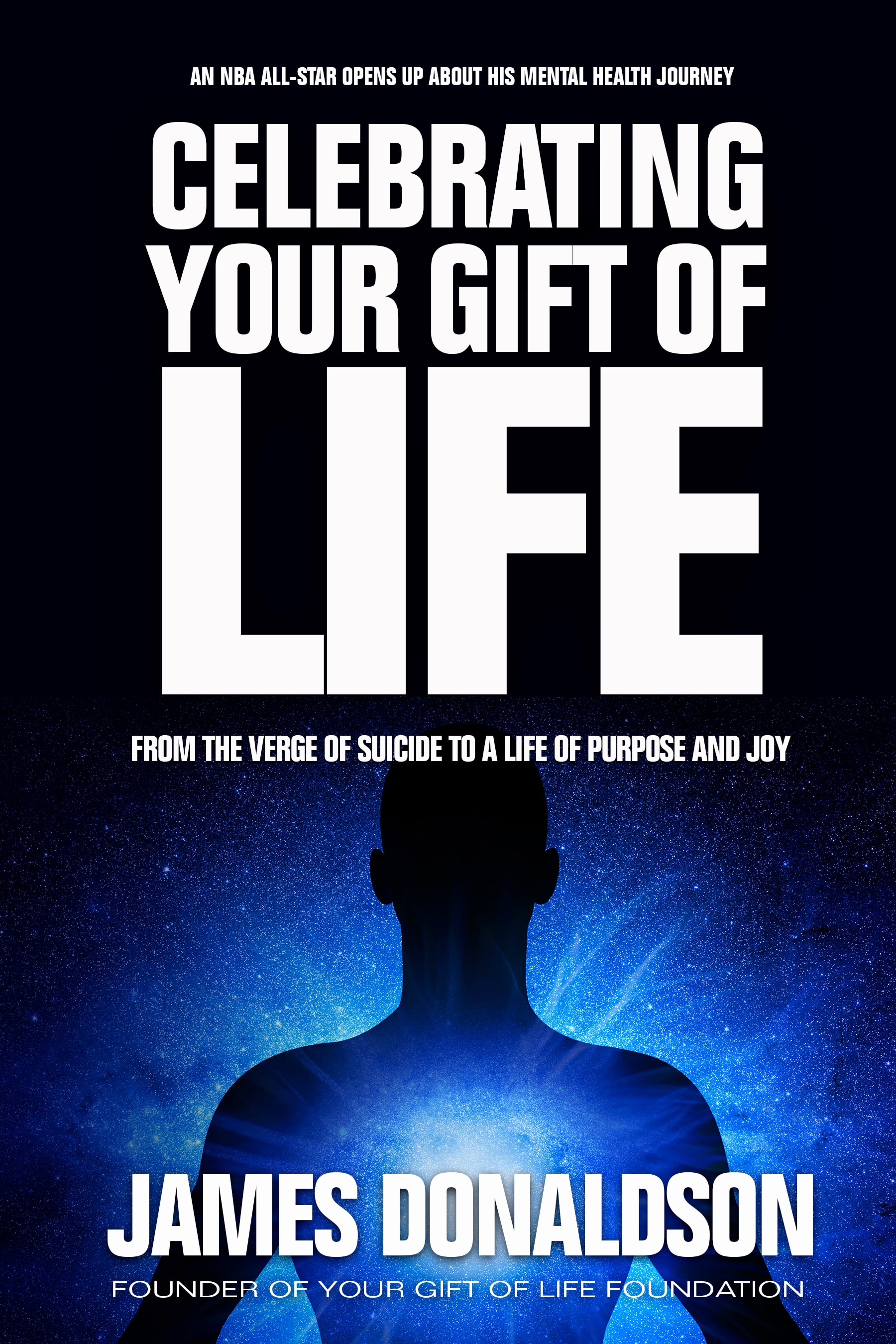
Celebrating Your Gift of Life
From the verge of suicide to a life of purpose and joy
Order & Get It Signed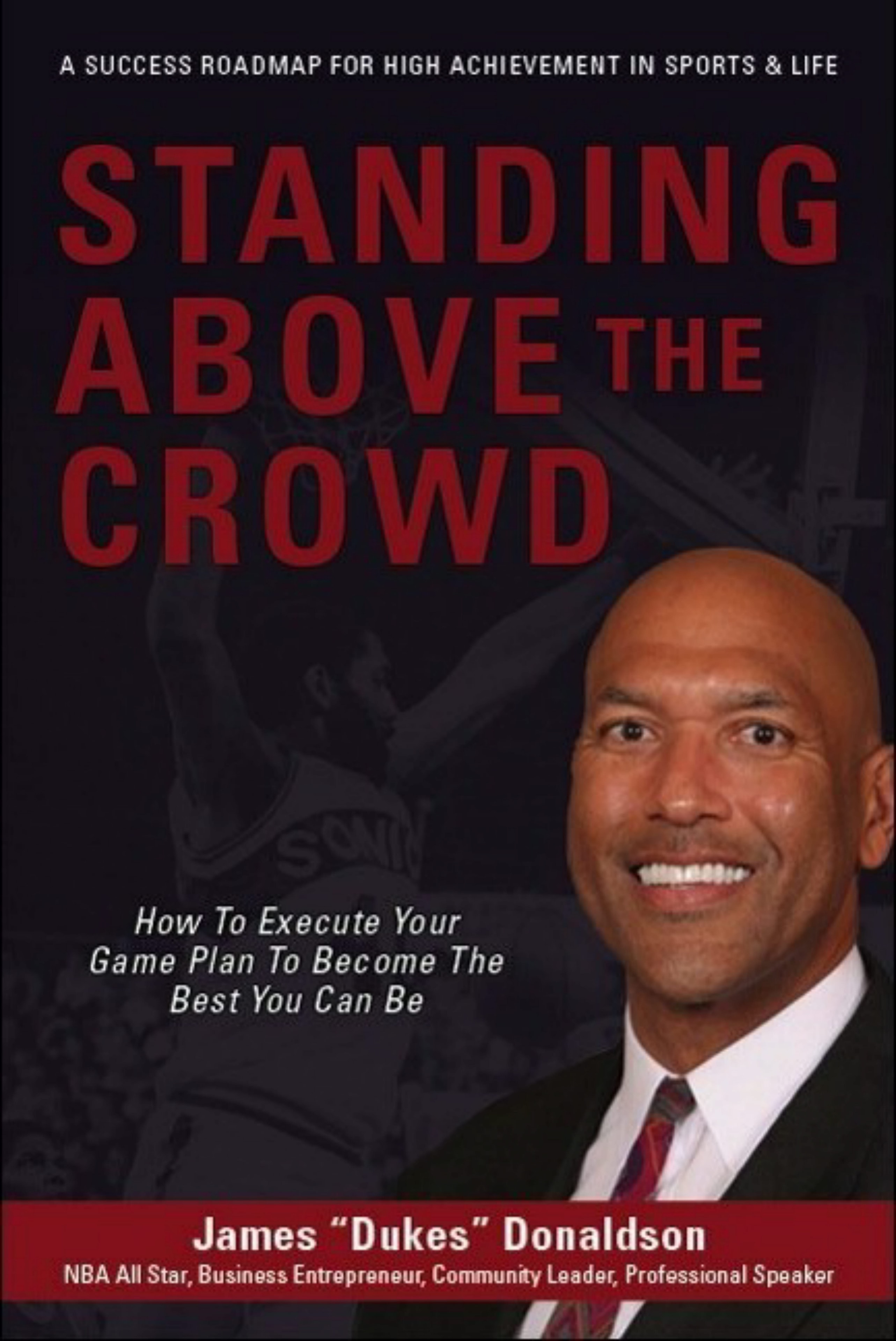
Standing Above the Crowd
Inspiring stories of resilience, hope, and mental wellness
Order & Get It Signed
James Donaldson
Author, Speaker & Mental Health Advocate · Standing Above the Crowd
James Donaldson is a former NBA All-Star (1988, Dallas Mavericks) who played 20 years of professional basketball with the Seattle SuperSonics, L.A. Clippers, Dallas Mavericks, New York Knicks, Utah Jazz, and teams across Europe, before touring with the Harlem Globetrotters. A Washington State University graduate inducted into both the Pac-10 and WSU Athletic Halls of Fame, James went on to found The Donaldson Clinic, an outpatient physical therapy practice he operated for nearly three decades. Today he devotes his time to mental health awareness and suicide prevention — speaking to organizations, schools, and youth groups — and is the author of Standing Above the Crowd and Celebrating Your Gift of Life (2021). James recently relocated to the Dallas, TX area and believes deeply in being a role model of success and professionalism for the young people he serves.