8 min read
The National Athletic Trainers Association reports that suicide is the second leading cause of death among college athletes. As someone who has been there, I believe we can change this — but only if we start talking.
When I read that suicide is the second leading cause of death among college athletes, I felt it in my chest. Because I know what that darkness feels like. I know what it's like to be someone who looks strong on the outside — someone people expect to have it all together — while quietly falling apart on the inside.
College athletes are under enormous pressure. They're managing rigorous training schedules, academic demands, team dynamics, and the weight of expectations from coaches, families, and fans. And many of them are doing all of this far from home, without their usual support systems, often for the first time in their lives.
The National Athletic Trainers Association recently released new mental health guidance to help college athletic trainers better support their players. It's a step in the right direction. But guidance alone isn't enough. We need a culture change.
Prevention Starts Before the Crisis
One of the most important things I've heard from mental health professionals working in college athletics is this: we need to know what a student-athlete's baseline looks like so we can recognize when something changes. That means coaches, trainers, and teammates need to be paying attention — not just to performance, but to the person.
Shanya Turner, executive director of Student Support Resources at St. Petersburg College, put it plainly: "We're not getting to the crisis and trying to do crisis intervention." Prevention means watching for changes. It means asking the question before things get critical. It means building a culture where "How are you doing — really?" is a normal part of team life.
Head coach Denisha Davidson described her approach: "We take those times to make sure we set time aside to say, 'How are you doing? How are you this week? What's going on in your life?' And just sit down and talk to them." That's it. That's the work. It doesn't require a degree in psychology. It requires showing up as a human being.
Social Determinants Matter Too
Mental health doesn't exist in a vacuum. The new NATA guidance rightly points to social determinants of health — things like access to food, stable housing, and adverse childhood experiences. A student-athlete who is food insecure or dealing with housing instability is carrying a burden that goes far beyond the weight room. We have to see the whole person, not just the athlete.
What I Know From My Own Experience
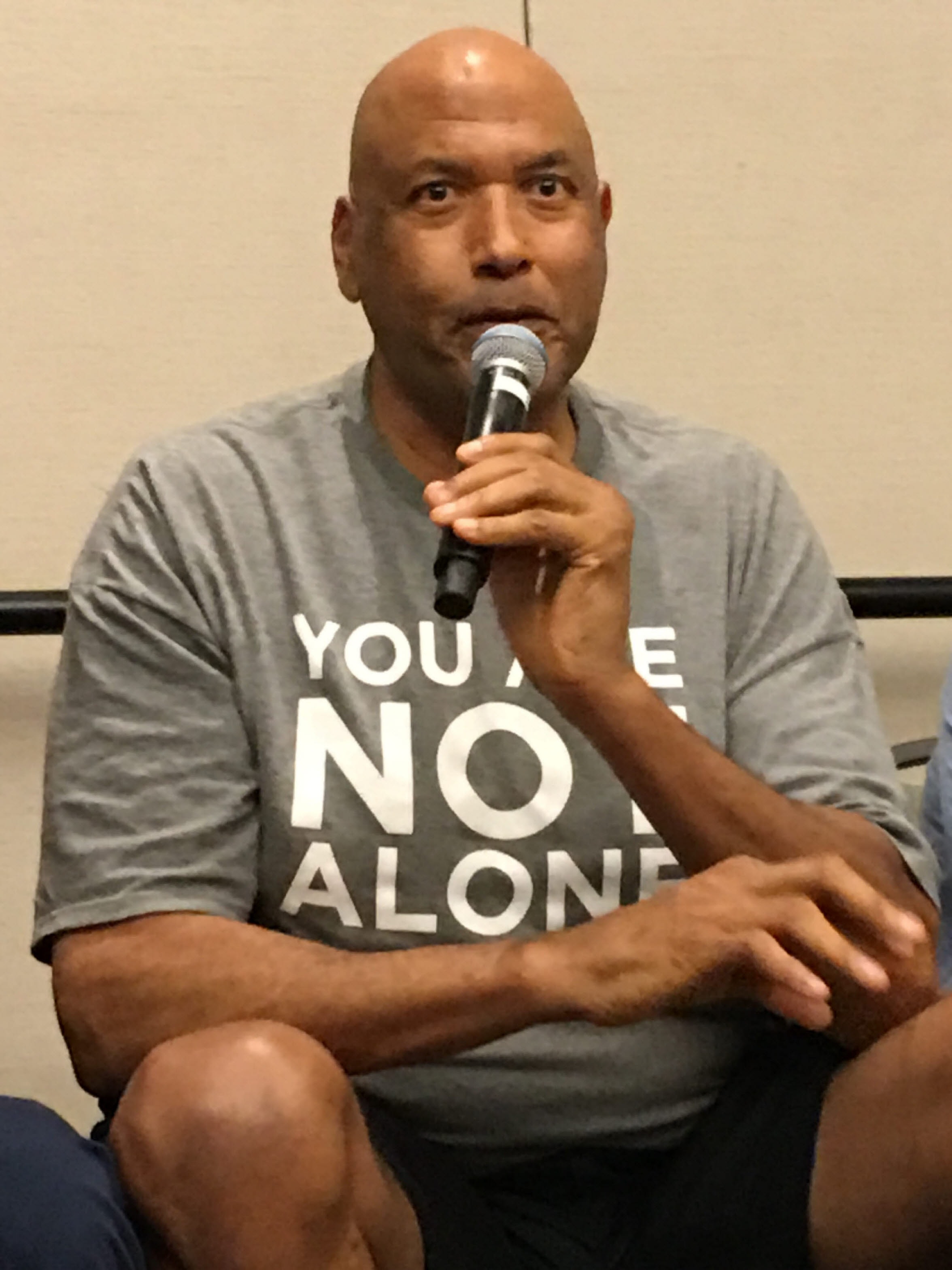
I was not a college athlete dealing with these pressures — I was a 14-year NBA veteran who had everything and then lost it all. But the darkness that followed was the same darkness these young people are facing. And what I know is this: isolation makes it worse. Silence makes it worse. Feeling like you're the only one who's struggling — when everyone around you seems to have it together — makes it worse.
What helps is connection. What helps is someone looking you in the eye and saying, "I see you. I'm here. You don't have to go through this alone." What helps is knowing that asking for help is not weakness — it is the bravest thing you can do.
Eighteen-year-old basketball player Kylie Smith said something that stayed with me: "Feeling like you have nobody, it's easy to feel that way, so it's just important to make sure you let someone know, reach out to your teammates — they're going through the same thing."
She's right. And she's 18 years old. She already understands something that takes many of us decades to learn.
What We Can All Do
Whether you're a coach, a teammate, a parent, or a friend of a college athlete — here's what I want you to take away from this:
Check in. Regularly. Genuinely. Not just after a tough loss or a bad grade. Make it a habit. Make it normal.
Know the warning signs. Withdrawal, hopelessness, giving things away, talking about being a burden — these are signals that someone needs help now.
Remove the stigma. Talk about mental health the same way you talk about physical health. If a player has a sprained ankle, you get them treatment. If a player is struggling emotionally, do the same.
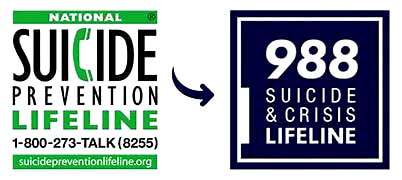
Know the resources. The Suicide and Crisis Lifeline is available 24/7. Call or text 988. It's free. It's confidential. It's there for exactly these moments.
We can change these statistics. But it starts with us — with every coach, every teammate, every parent, every friend who decides that the people in their lives are worth the conversation.
You are not alone. And neither are they.
From the Author
Order today and James will personally sign your copy — a meaningful keepsake from an NBA All-Star and mental health advocate.

Celebrating Your Gift of Life
From the verge of suicide to a life of purpose and joy
Order & Get It Signed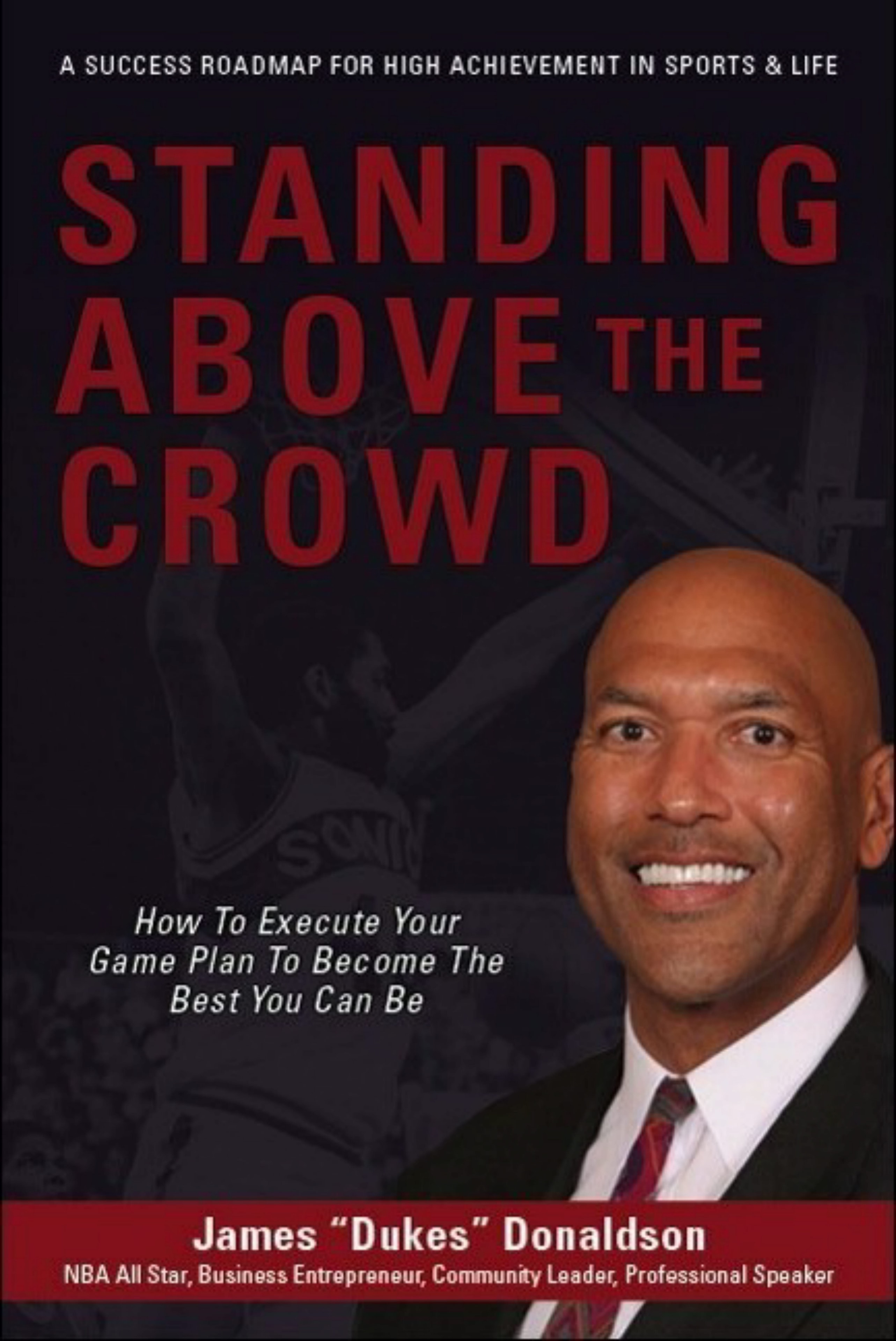
Standing Above the Crowd
Inspiring stories of resilience, hope, and mental wellness
Order & Get It Signed
James Donaldson
Author, Speaker & Mental Health Advocate · Standing Above the Crowd
James Donaldson is a former NBA All-Star (1988, Dallas Mavericks) who played 20 years of professional basketball with the Seattle SuperSonics, L.A. Clippers, Dallas Mavericks, New York Knicks, Utah Jazz, and teams across Europe, before touring with the Harlem Globetrotters. A Washington State University graduate inducted into both the Pac-10 and WSU Athletic Halls of Fame, James went on to found The Donaldson Clinic, an outpatient physical therapy practice he operated for nearly three decades. Today he devotes his time to mental health awareness and suicide prevention — speaking to organizations, schools, and youth groups — and is the author of Standing Above the Crowd and Celebrating Your Gift of Life (2021). James recently relocated to the Dallas, TX area and believes deeply in being a role model of success and professionalism for the young people he serves.