8 min read
It’s a cool Tuesday night in Columbia, South Carolina, and fans of the minor league baseball team the Columbia Fireflies are letting an opposing batter named Marcos Torres hear it.
It’s a cool Tuesday night in Columbia, South Carolina, and fans of the minor league baseball team the Columbia Fireflies are letting an opposing batter named Marcos Torres hear it.
“Polo!” a half dozen fans respond, mimicking the swimming pool game.
“Marco!” “Polo!” The Conversation is a news organization dedicated to facts and evidence Learn more Baseball fans have developed a reputation for shouting wisecracks to try to rattle players.
But there’s a dark side to heckling, one that concerns me as a researcher of sports, media and mental health : when fans cross the line from playful taunt into verbal abuse.
The latest publicized incident occurred during a game between the Boston Red Sox and Minnesota Twins on April 14, 2026.
A fan in the stands at Target Field in Minneapolis reportedly told Red Sox outfielder Jarren Duran to kill himself .
Duran responded by giving him the finger.
It was at least the second time a fan used Duran’s mental health as verbal ammunition since the 2025 release of the Netflix documentary, “ The Clubhouse: A Year with the Red Sox ,” in which Duran described attempting suicide.
After the game, Duran told reporters, “Honestly, it’s my fault for talking about my mental health, because I kind of brought in the haters.” U.S.
society holds elite athletes in high regard; they’re uniquely trusted and admired .
From the Author
Order today and James will personally sign your copy — a meaningful keepsake from an NBA All-Star and mental health advocate.
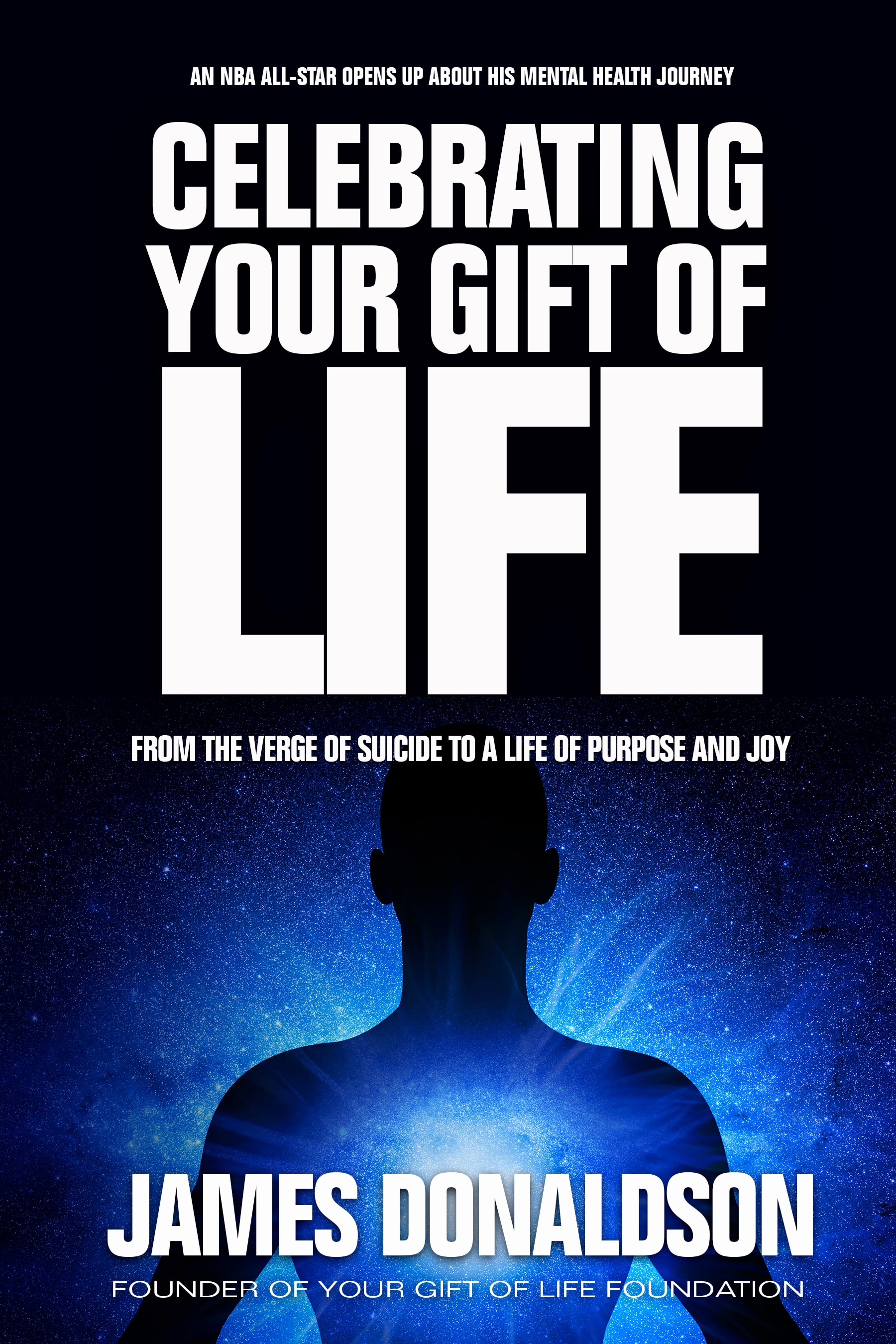
Celebrating Your Gift of Life
From the verge of suicide to a life of purpose and joy
Order & Get It Signed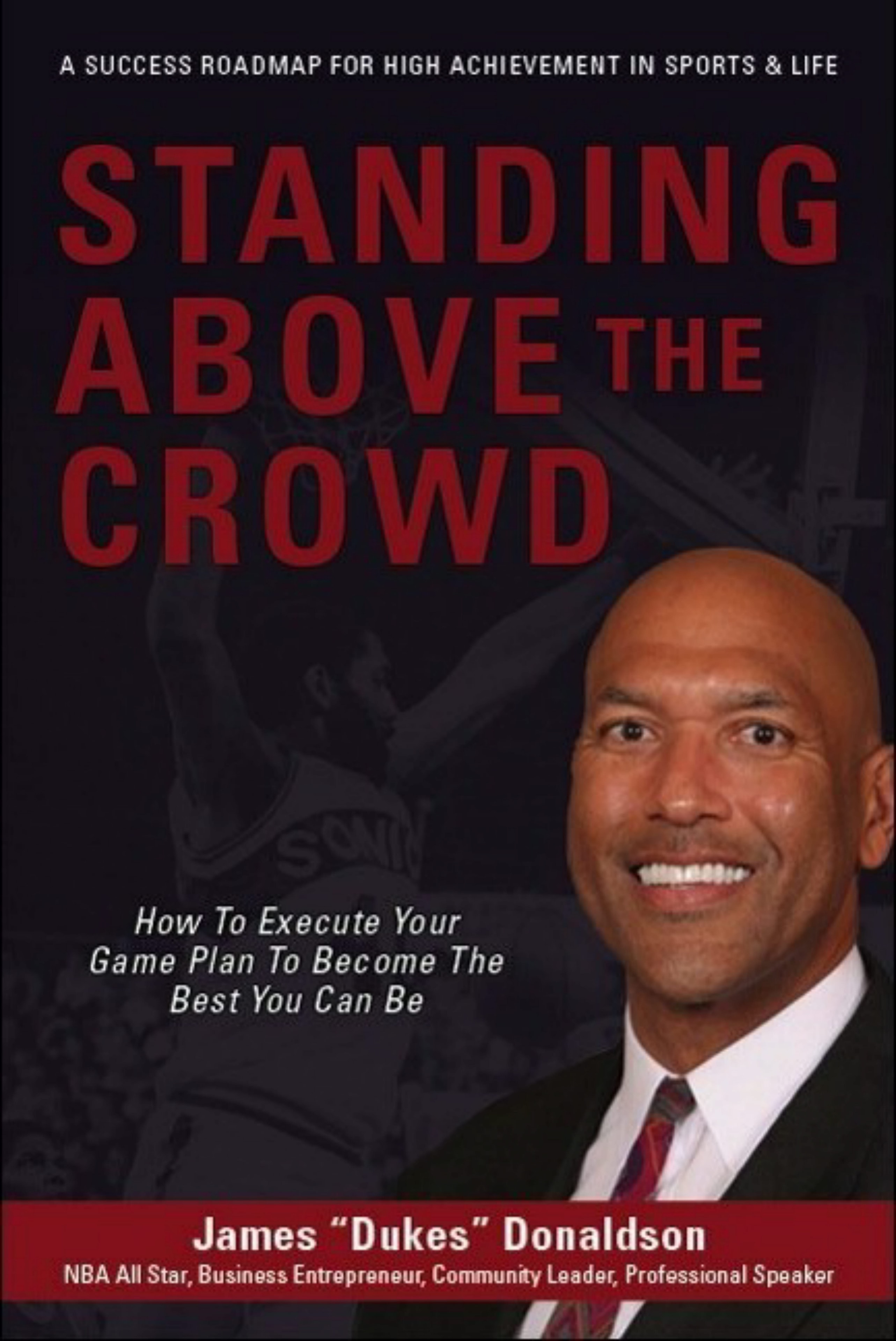
Standing Above the Crowd
Inspiring stories of resilience, hope, and mental wellness
Order & Get It Signed
James Donaldson
Author, Speaker & Mental Health Advocate · Standing Above the Crowd
James Donaldson is a former NBA All-Star (1988, Dallas Mavericks) who played 20 years of professional basketball with the Seattle SuperSonics, L.A. Clippers, Dallas Mavericks, New York Knicks, Utah Jazz, and teams across Europe, before touring with the Harlem Globetrotters. A Washington State University graduate inducted into both the Pac-10 and WSU Athletic Halls of Fame, James went on to found The Donaldson Clinic, an outpatient physical therapy practice he operated for nearly three decades. Today he devotes his time to mental health awareness and suicide prevention — speaking to organizations, schools, and youth groups — and is the author of Standing Above the Crowd and Celebrating Your Gift of Life (2021). James recently relocated to the Dallas, TX area and believes deeply in being a role model of success and professionalism for the young people he serves.