6 min read
Anxiety is the most common mental health condition in the United States. Here's what actually helps — and what doesn't.
Anxiety is the most common mental health condition in the United States, affecting more than 40 million adults. And yet it remains widely misunderstood — both by those who experience it and by the people around them. Understanding what anxiety actually is, and what actually helps, can make an enormous difference.
First, the reframe: anxiety is not your enemy. It is your nervous system doing its job — scanning for threats and preparing you to respond. The problem is not that you have anxiety; it's that your threat-detection system has become miscalibrated, firing in situations that aren't actually dangerous. The goal of anxiety management is not to eliminate anxiety, but to recalibrate that system.
Breathing is one of the most powerful tools available, and it's free. Slow, deep breathing activates the parasympathetic nervous system — the 'rest and digest' counterpart to the 'fight or flight' response. Try box breathing: inhale for four counts, hold for four, exhale for four, hold for four. Do this for two to three minutes when anxiety spikes.
Cognitive restructuring — the core technique of cognitive behavioral therapy — involves identifying and challenging the thoughts that fuel anxiety. When you notice an anxious thought ('Something terrible is going to happen'), ask: What's the evidence for this? What's the evidence against it? What would I tell a friend who had this thought? This doesn't make the anxiety disappear, but it loosens its grip.
Avoidance is anxiety's best friend and your worst enemy. When we avoid the things that make us anxious, we get short-term relief but long-term worsening — the anxiety grows to fill the space we've created for it. Gradual exposure — facing feared situations in a controlled, incremental way — is one of the most effective anxiety treatments available.
Sleep, exercise, and reducing caffeine and alcohol are not glamorous interventions, but they are foundational. Anxiety and sleep deprivation feed each other in a vicious cycle. Regular exercise reduces baseline anxiety levels. Caffeine and alcohol both worsen anxiety, even when they seem to provide temporary relief.
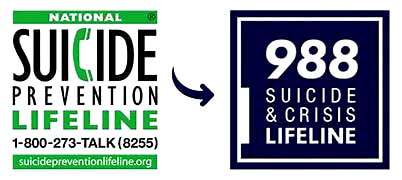
If anxiety is significantly interfering with your life, please seek professional support. Cognitive behavioral therapy (CBT) is the gold-standard treatment for anxiety disorders, and medication can be helpful for many people. You don't have to white-knuckle your way through this. Help is available.
From the Author
Order today and James will personally sign your copy — a meaningful keepsake from an NBA All-Star and mental health advocate.
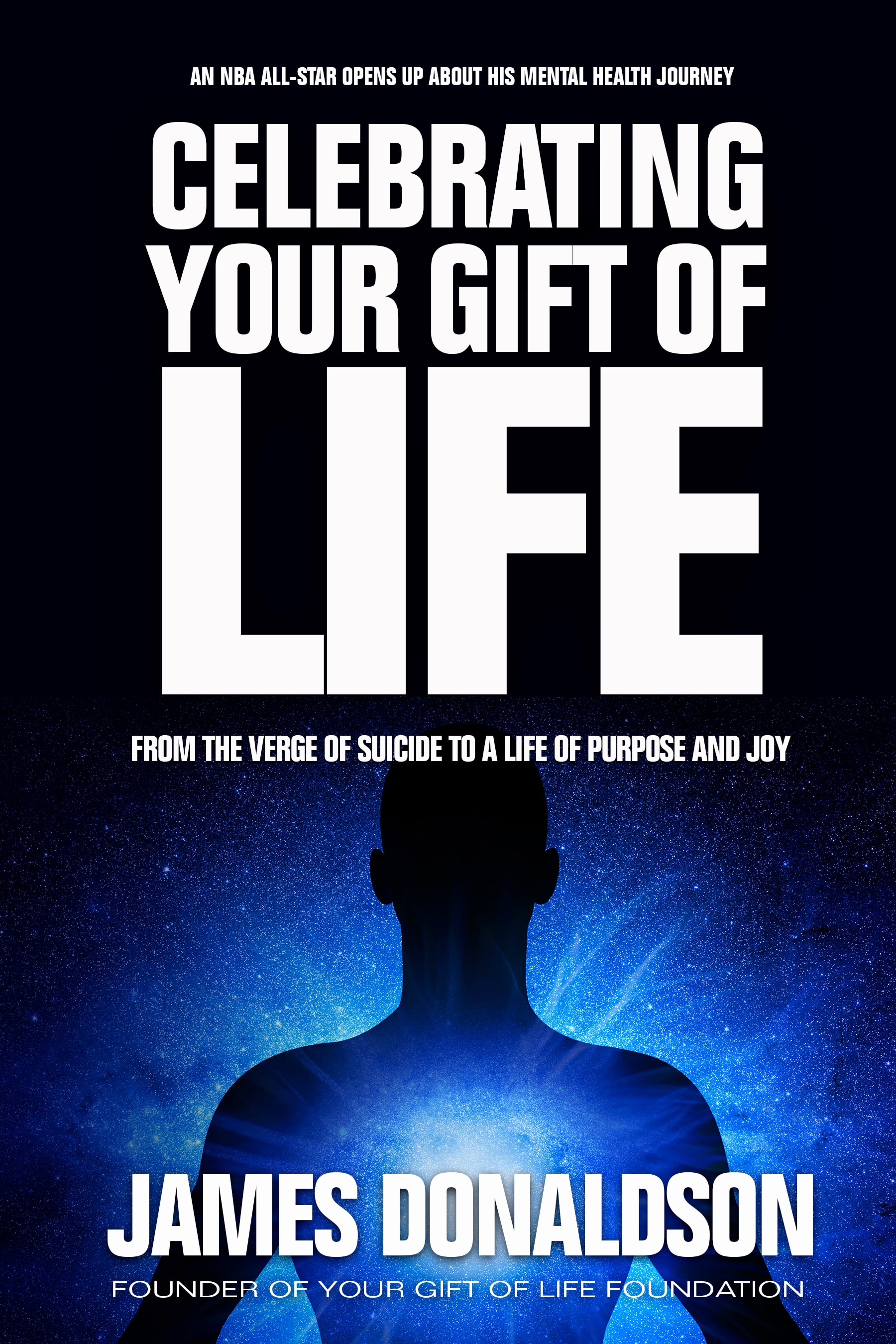
Celebrating Your Gift of Life
From the verge of suicide to a life of purpose and joy
Order & Get It Signed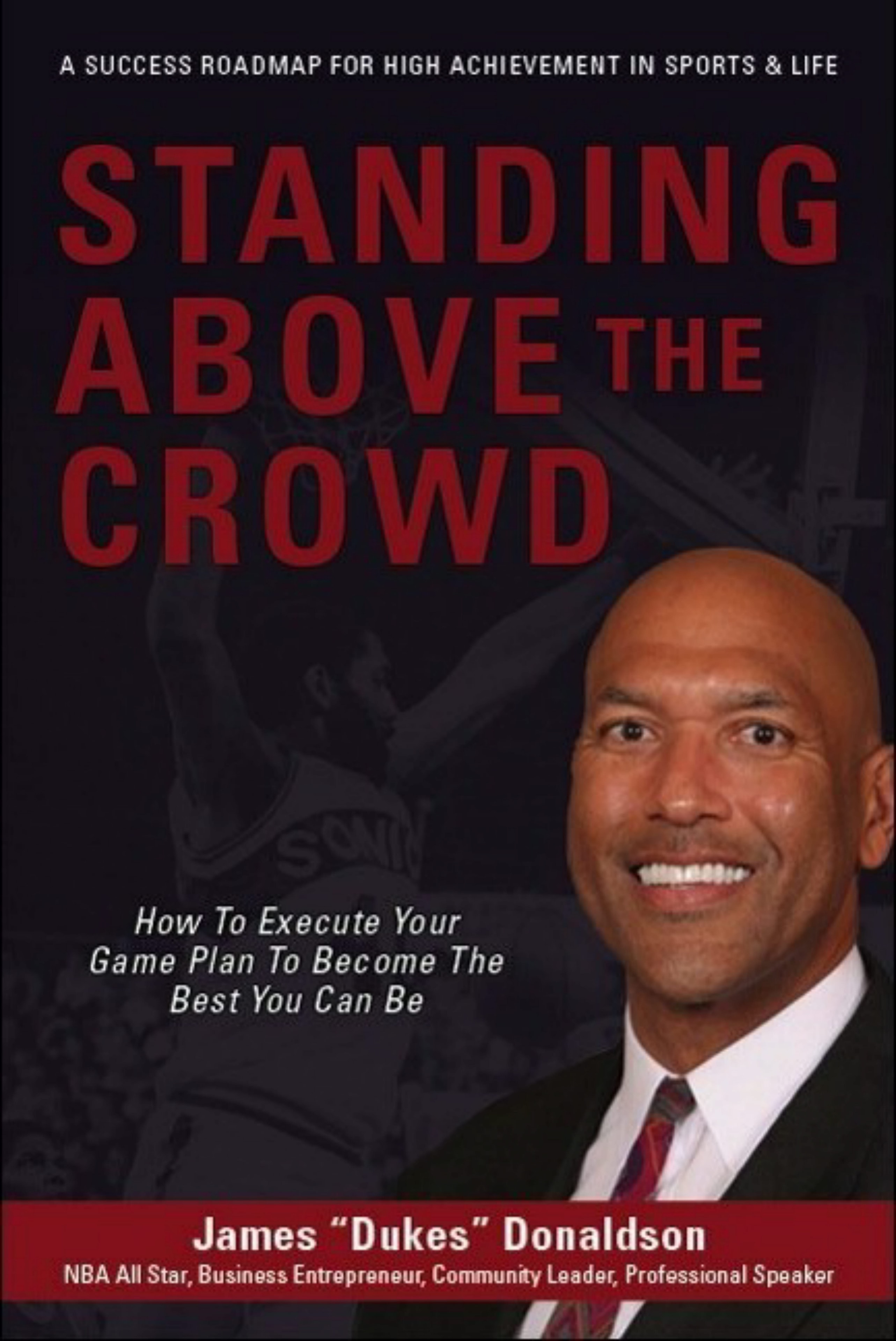
Standing Above the Crowd
Inspiring stories of resilience, hope, and mental wellness
Order & Get It Signed
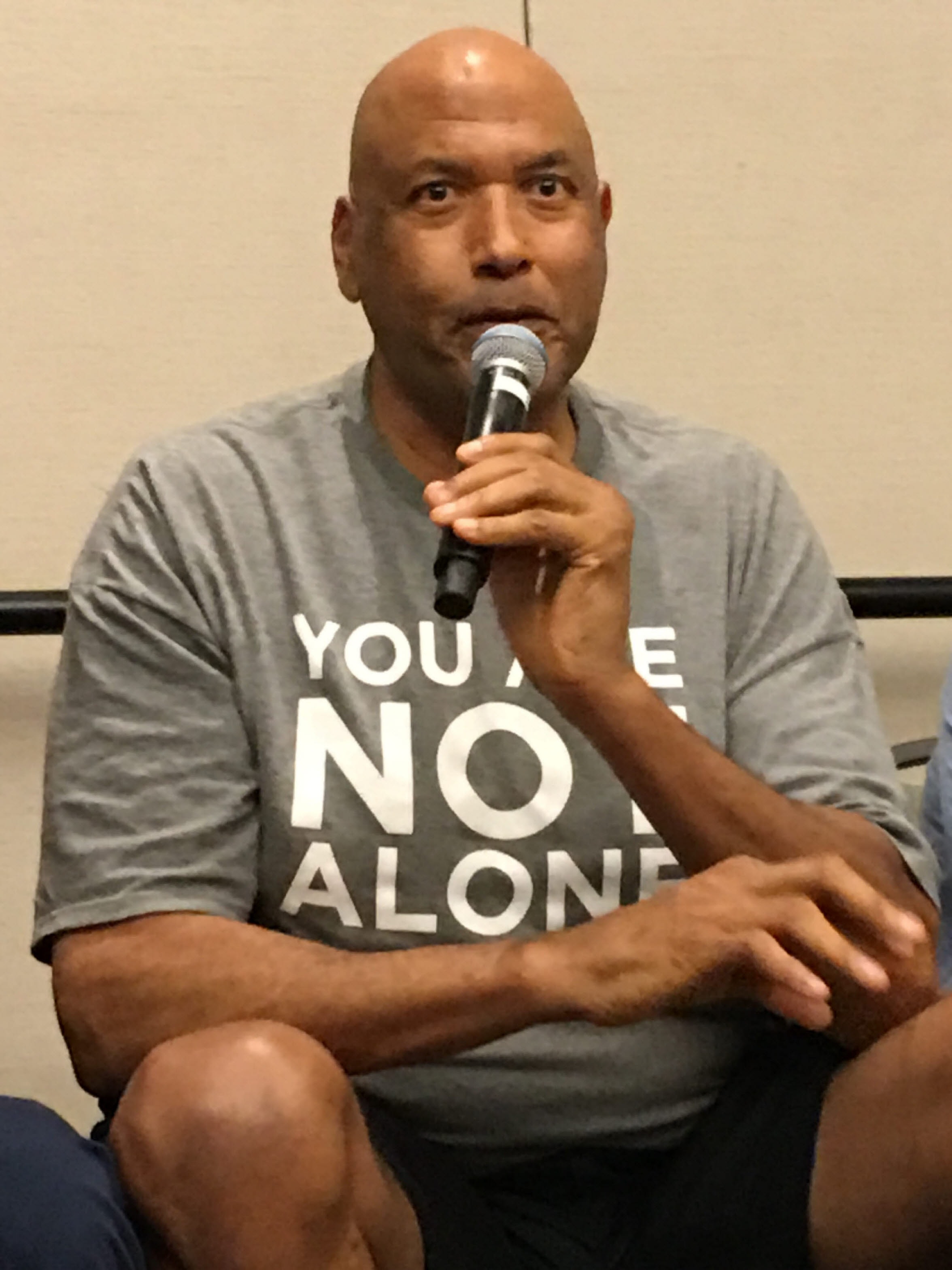
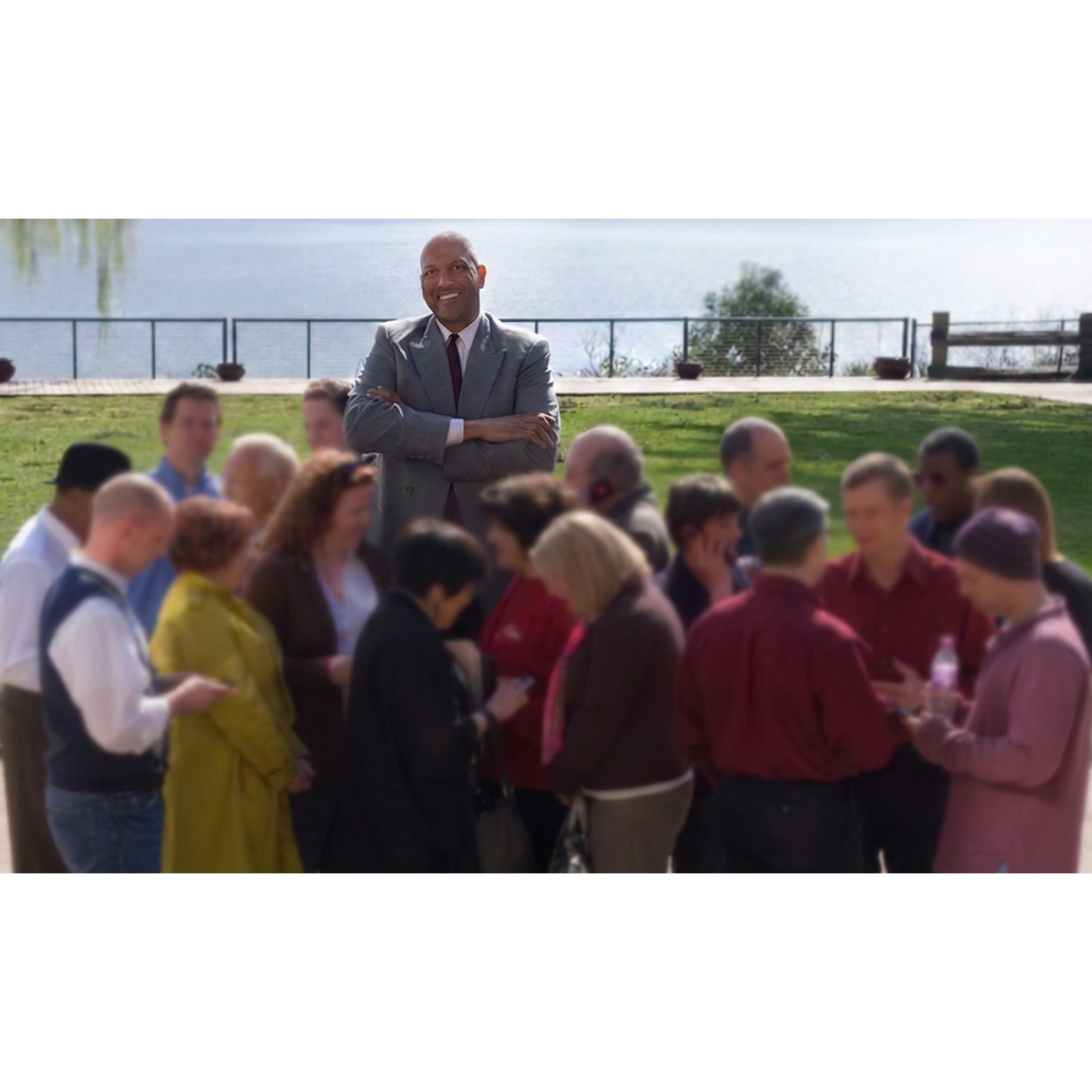
James Donaldson
Author, Speaker & Mental Health Advocate · Standing Above the Crowd
James Donaldson is a former NBA All-Star (1988, Dallas Mavericks) who played 20 years of professional basketball with the Seattle SuperSonics, L.A. Clippers, Dallas Mavericks, New York Knicks, Utah Jazz, and teams across Europe, before touring with the Harlem Globetrotters. A Washington State University graduate inducted into both the Pac-10 and WSU Athletic Halls of Fame, James went on to found The Donaldson Clinic, an outpatient physical therapy practice he operated for nearly three decades. Today he devotes his time to mental health awareness and suicide prevention — speaking to organizations, schools, and youth groups — and is the author of Standing Above the Crowd and Celebrating Your Gift of Life (2021). James recently relocated to the Dallas, TX area and believes deeply in being a role model of success and professionalism for the young people he serves.