7 min read

Why young Black males are less likely to seek professional support and how parents, faith leaders, and youth leaders can help them.
'I'm only here because my grandma made me come here.' When Brandon Jones was a public school counselor in Minneapolis, he heard those words regularly from a 12-year-old Black male student who wore a tough exterior amid a dysfunctional home life. But after three or four months of therapy sessions, the young man stopped mentioning it.
Despite having an overall positive attitude toward mental health care, many young Black males are resistant to professional care. The study found that young male participants were less likely than their female counterparts to seek help from a mental health professional. Among survey participants, 44 percent of young Black males said they were more likely to turn to family members and friends for support, with 37 percent seeking out church leaders.
Results of the survey suggest that the hesitation of young Black males to seek professional mental health care could be due to stigma. And lack of trust in mental health professionals may be a legacy that historians can trace back to slavery.
Even after Black males overcome stigma and make it to a mental health professional's office, more barriers exist. 'When a person sees a Black man who's emotional, they see us as an angry being. They don't see us as a person who may actually have a disorder,' says Dr. Jonathan Shepherd.
A costly consequence of racial bias in a mental health setting is misdiagnosis, especially of mood disorders. Research shows that Black kids are more likely to receive the wrong diagnosis when they show signs of a mood disorder. For example, a Black boy who is inattentive or fidgety in class may be diagnosed with ADHD or a conduct disorder, while his white classmate with the same symptoms may be diagnosed with depression.
As a significant percentage of young Black males said they were more likely to reach out to a church leader than a mental health professional for support, experts suggested that it would be beneficial to work with churches to encourage these young men to seek mental health care. Pastoral counseling is an important part of the faith experience.
Jones offers tips to parents: Keep an open space for your child to talk to you. Model healthy habits and behaviors. Find ways to engage in healthy activities — talking is great, but actions are also important. Playing games, helping them with homework, and going for walks are all therapeutic opportunities.
If you or someone you know needs help now, call 988 to reach the Suicide and Crisis Lifeline. The lifeline is available 24 hours a day, seven days a week, and is staffed by trained counselors.
From the Author
Order today and James will personally sign your copy — a meaningful keepsake from an NBA All-Star and mental health advocate.

Celebrating Your Gift of Life
From the verge of suicide to a life of purpose and joy
Order & Get It Signed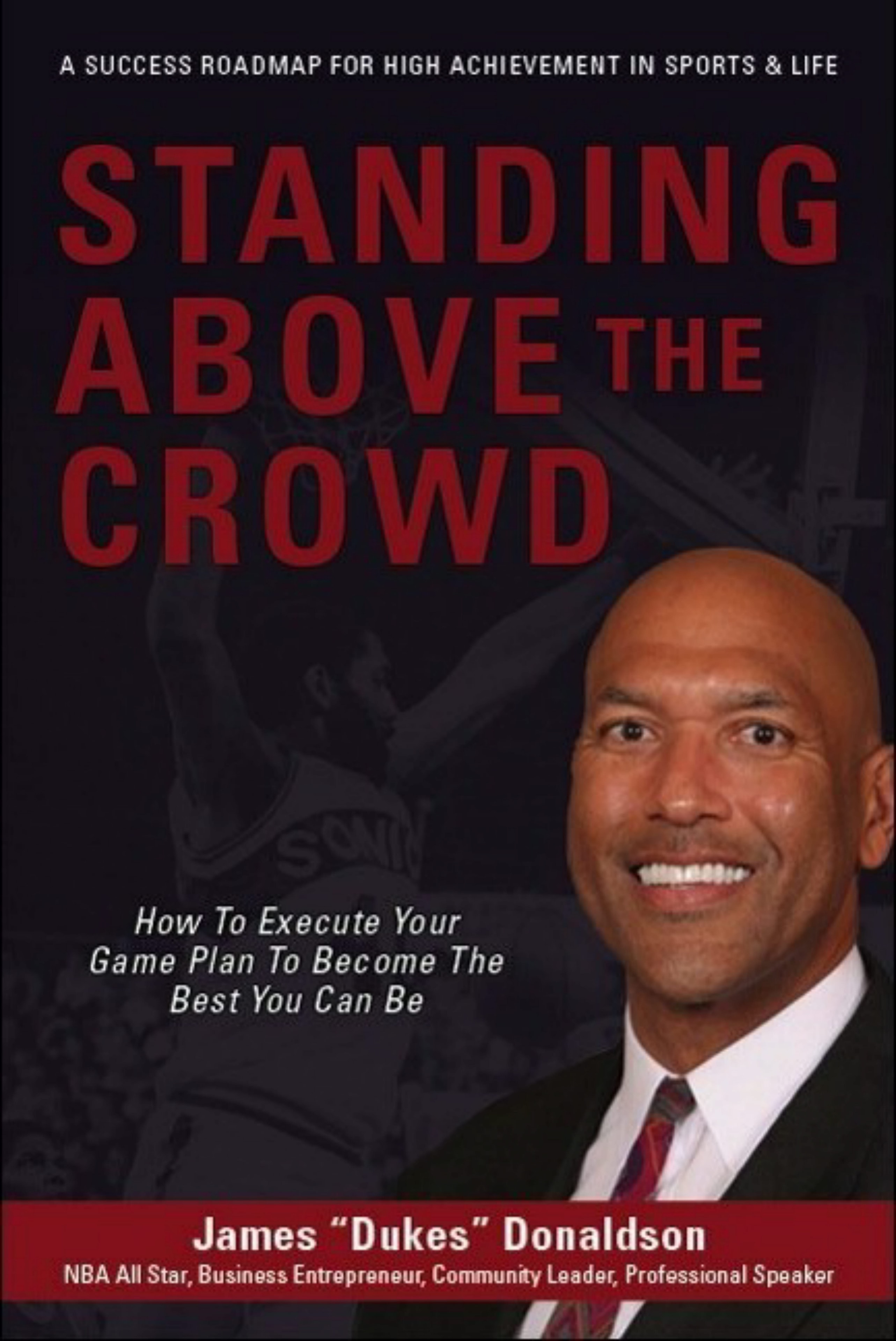
Standing Above the Crowd
Inspiring stories of resilience, hope, and mental wellness
Order & Get It Signed
James Donaldson
Author, Speaker & Mental Health Advocate · Standing Above the Crowd
James Donaldson is a former NBA All-Star (1988, Dallas Mavericks) who played 20 years of professional basketball with the Seattle SuperSonics, L.A. Clippers, Dallas Mavericks, New York Knicks, Utah Jazz, and teams across Europe, before touring with the Harlem Globetrotters. A Washington State University graduate inducted into both the Pac-10 and WSU Athletic Halls of Fame, James went on to found The Donaldson Clinic, an outpatient physical therapy practice he operated for nearly three decades. Today he devotes his time to mental health awareness and suicide prevention — speaking to organizations, schools, and youth groups — and is the author of Standing Above the Crowd and Celebrating Your Gift of Life (2021). James recently relocated to the Dallas, TX area and believes deeply in being a role model of success and professionalism for the young people he serves.