7 min read

A man named Bryan died by suicide last week. His friend Chet Ragusett wrote about it in a small Massachusetts newspaper, and his words hit me like a freight train. Men are dying — in rural communities, in cities, in gyms and offices and apartments — and we are not talking about it enough.
Last week, a man named Bryan died by suicide.
His friend Chet Ragusett, a former college provost and academic who has battled severe bipolar disorder for most of his life, wrote about it in the Greenfield Recorder — a small newspaper in western Massachusetts. His words were raw, honest, and deeply personal. And they hit me like a freight train.
"Men in my life are dying," Chet wrote. "Which must mean men in your lives are, too."
He's right. And I want to sit with that for a moment before we talk about solutions.
The Weight Men Carry Alone
Chet described sitting with Bryan in a gym just before the COVID pandemic — talking about anxiety, stress, relationship troubles, financial pressure, the crushing feeling of needing to get everything right. Those conversations happened. The connection was real. And still, Bryan is gone.
That's the thing about men's mental health that breaks my heart: the conversations sometimes happen, the connections are sometimes made, and it still isn't enough — because the broader culture tells men that struggling is weakness, that asking for help is failure, that the right response to pain is to push through it alone.
Men are less likely than women to seek mental health therapy and counseling. Men often suffer much longer before receiving a diagnosis or treatment. Those with serious conditions like bipolar disorder or schizophrenia see their life expectancy reduced by over a decade. And men die by suicide at dramatically higher rates than women.
The Perfect Storm in Underserved Communities
Chet writes about western Massachusetts — a region facing limited access to mental healthcare, rising housing costs, the availability of illegal drugs, and fewer job opportunities. He calls it "a perfect storm for those with psychiatric illnesses."
I've seen this pattern in communities across the country. When men can't access care, they find other ways to cope — alcohol, drugs, isolation. They internalize trauma, anxiety, and panic until they see no other option. The stigma of therapy and medication keeps them from reaching out. And the systems that should support them are often underfunded, understaffed, or simply not there.
This is not a personal failing. It is a systemic failure. And it is costing lives.
What Chet's Story Teaches Us
Chet survived. After years of undiagnosed and untreated bipolar disorder, after coming "an inch away from death several times," he finally received the right diagnosis and treatment. He writes: "After my diagnosis and treatment, I am finding more peace and comfort in my daily life."
That's not a small thing. That's everything. It means that with the right support, recovery is possible — even after years of suffering, even after multiple crises, even when it feels like there is no way out.
But it also means we cannot wait. We cannot keep treating men's mental health as an afterthought. We cannot keep expecting men to ask for help in a culture that punishes them for doing so.
We need to check in on the men in our lives — not just when they seem to be struggling, but regularly, consistently, as a matter of course. We need to normalize the conversation. We need to say, out loud: "How are you really doing? And I mean it — how are you really doing?"
If you or a man you love is struggling, please reach out. Call or text 988 to connect with the Suicide & Crisis Lifeline, available 24 hours a day, 7 days a week. You deserve support. Bryan deserved support. Every man who is suffering right now deserves support.
Men are dying. Let's change that — together.
From the Author
Order today and James will personally sign your copy — a meaningful keepsake from an NBA All-Star and mental health advocate.
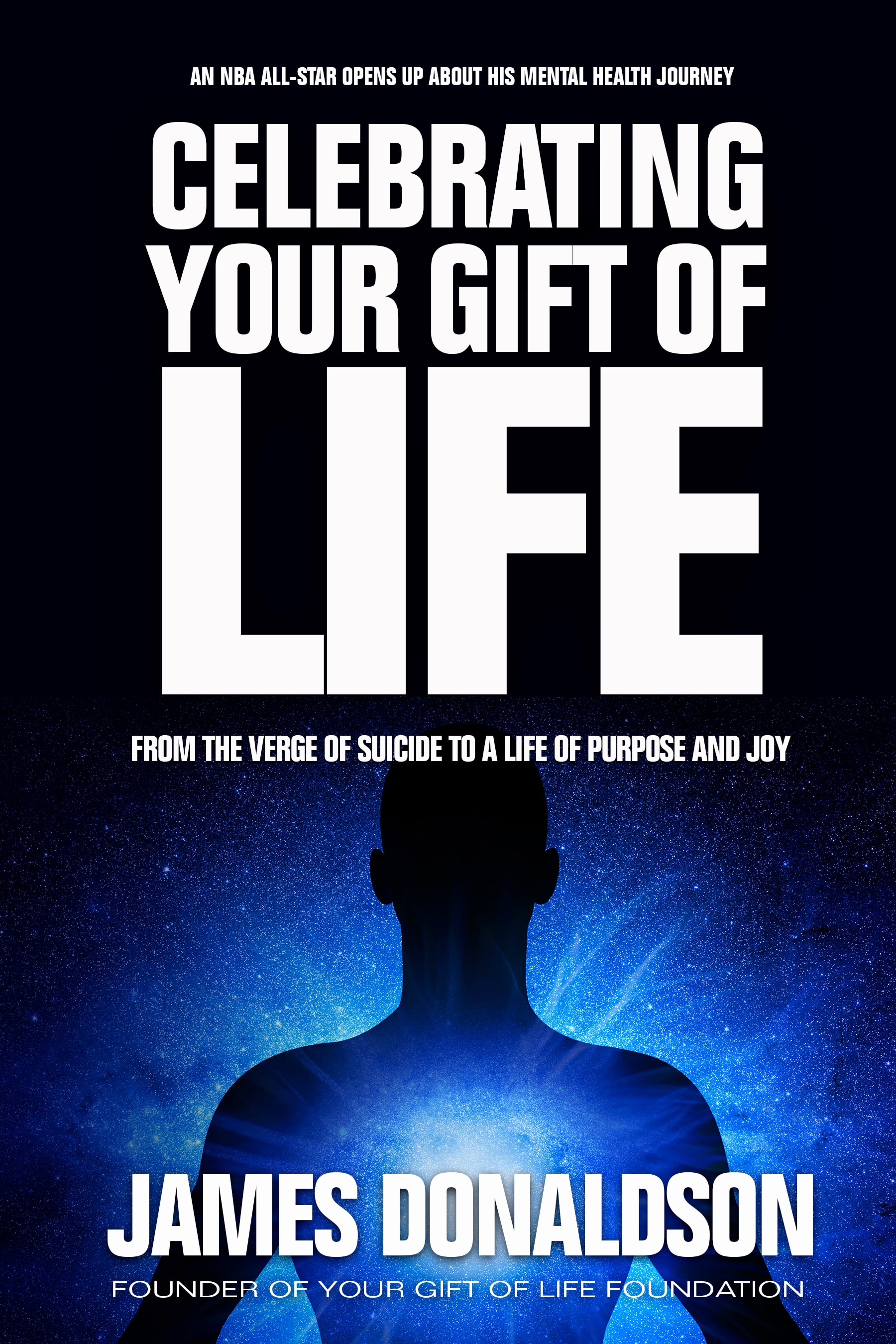
Celebrating Your Gift of Life
From the verge of suicide to a life of purpose and joy
Order & Get It Signed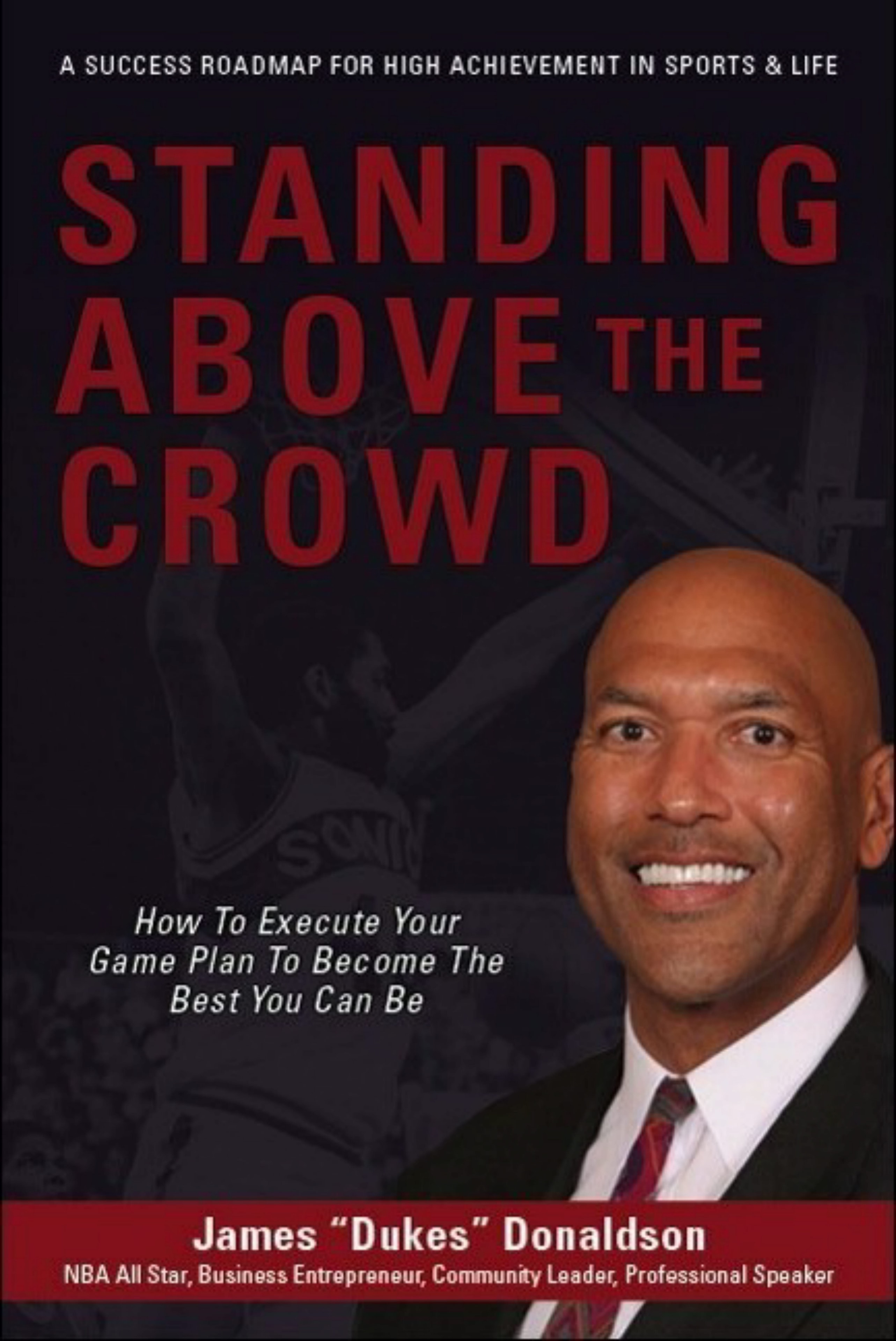
Standing Above the Crowd
Inspiring stories of resilience, hope, and mental wellness
Order & Get It Signed
James Donaldson
Author, Speaker & Mental Health Advocate · Standing Above the Crowd
James Donaldson is a former NBA All-Star (1988, Dallas Mavericks) who played 20 years of professional basketball with the Seattle SuperSonics, L.A. Clippers, Dallas Mavericks, New York Knicks, Utah Jazz, and teams across Europe, before touring with the Harlem Globetrotters. A Washington State University graduate inducted into both the Pac-10 and WSU Athletic Halls of Fame, James went on to found The Donaldson Clinic, an outpatient physical therapy practice he operated for nearly three decades. Today he devotes his time to mental health awareness and suicide prevention — speaking to organizations, schools, and youth groups — and is the author of Standing Above the Crowd and Celebrating Your Gift of Life (2021). James recently relocated to the Dallas, TX area and believes deeply in being a role model of success and professionalism for the young people he serves.