7 min read

Obsessive-Compulsive Disorder (OCD) is often misunderstood, leading to numerous myths and misconceptions that can hinder proper understanding and empathy.
Obsessive-Compulsive Disorder (OCD) is often misunderstood, leading to numerous myths and misconceptions that can hinder proper understanding and empathy.
In this blog post, we will debunk common myths about OCD and share factual information to provide a clearer picture of this mental health condition.
Whether you're personally affected by OCD or just curious to learn more, this guide is for you.
Understanding the Impact of OCD 5.
FAQs Introduction to OCD OCD is a mental health disorder characterized by persistent, unwanted thoughts (obsessions) and repetitive behaviors (compulsions).
These behaviors are often performed in an attempt to alleviate the anxiety caused by the obsessions.
OCD can affect anyone, regardless of age or background, and can significantly impact daily life if not properly managed.
Common Myths about OCD Myth 1: OCD is Just About Being Neat and Tidy One of the most pervasive myths is that OCD is simply about being excessively clean or organized.
While some individuals with OCD may have cleanliness-related obsessions, the disorder encompasses a much broader range of symptoms.
People with OCD can have obsessions about harm, symmetry, forbidden thoughts, and more.
From the Author
Order today and James will personally sign your copy — a meaningful keepsake from an NBA All-Star and mental health advocate.
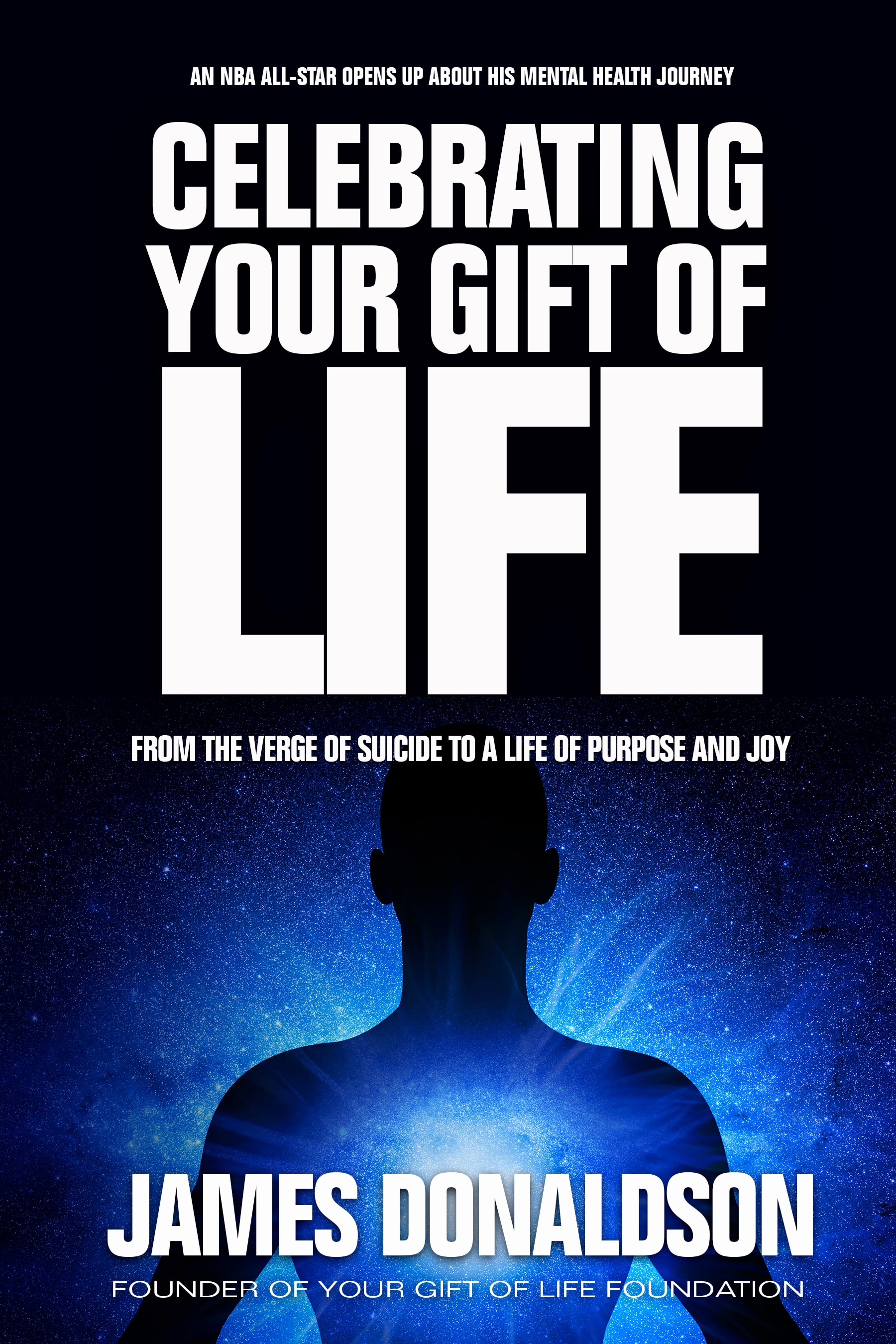
Celebrating Your Gift of Life
From the verge of suicide to a life of purpose and joy
Order & Get It Signed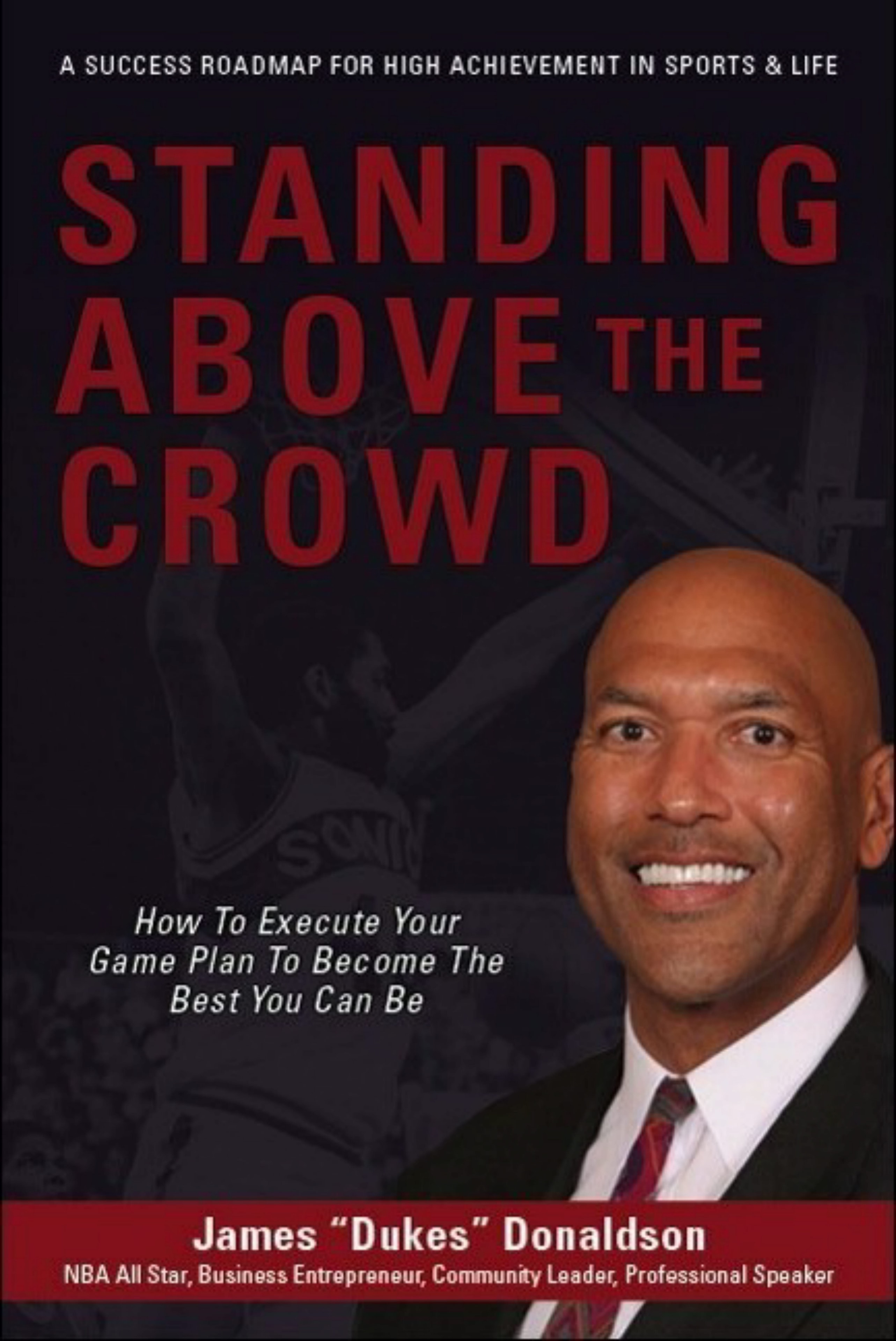
Standing Above the Crowd
Inspiring stories of resilience, hope, and mental wellness
Order & Get It Signed
James Donaldson
Author, Speaker & Mental Health Advocate · Standing Above the Crowd
James Donaldson is a former NBA All-Star (1988, Dallas Mavericks) who played 20 years of professional basketball with the Seattle SuperSonics, L.A. Clippers, Dallas Mavericks, New York Knicks, Utah Jazz, and teams across Europe, before touring with the Harlem Globetrotters. A Washington State University graduate inducted into both the Pac-10 and WSU Athletic Halls of Fame, James went on to found The Donaldson Clinic, an outpatient physical therapy practice he operated for nearly three decades. Today he devotes his time to mental health awareness and suicide prevention — speaking to organizations, schools, and youth groups — and is the author of Standing Above the Crowd and Celebrating Your Gift of Life (2021). James recently relocated to the Dallas, TX area and believes deeply in being a role model of success and professionalism for the young people he serves.