7 min read

Positive attention in action How does the framework of positive attention work in a challenging situation?
Positive attention in action How does the framework of positive attention work in a challenging situation?
Let’s take a scenario any parent will experience at some point: your child throwing a tantrum in the check out line at the grocery store because they want a candy bar.
Giving in and letting them have the candy bar would likely stop the tantrum quickly, but it would also guarantee that the behavior would repeat itself.
Negotiating (you can have a brownie when we get home) would likely have the same effect.
Many parents feel judging eyes on them in a public space and feel that they need to make a show out of being firm with their child by telling them to stop, raising their voice, or issuing ultimatums.
Chances are this kind of response won’t make you or your child feel very good, and also won’t prevent the behavior from reoccurring, since you are inadvertently reinforcing the behavior by feeding it attention.
If you are practicing positive attention, however, you would ignore the tantrum until it’s over (which is of course easier said than done).
As soon as the child is calming down, that’s the time to give positive attention and praise.
“I’m really proud of you for calming down, for taking a few deep breaths, and for understanding that this is not something we could do right now.” When you’re back home and things are less emotional, then you can address the tantrum.
Gerber says to use a lot of validation when talking with your child in this scenario.
From the Author
Order today and James will personally sign your copy — a meaningful keepsake from an NBA All-Star and mental health advocate.
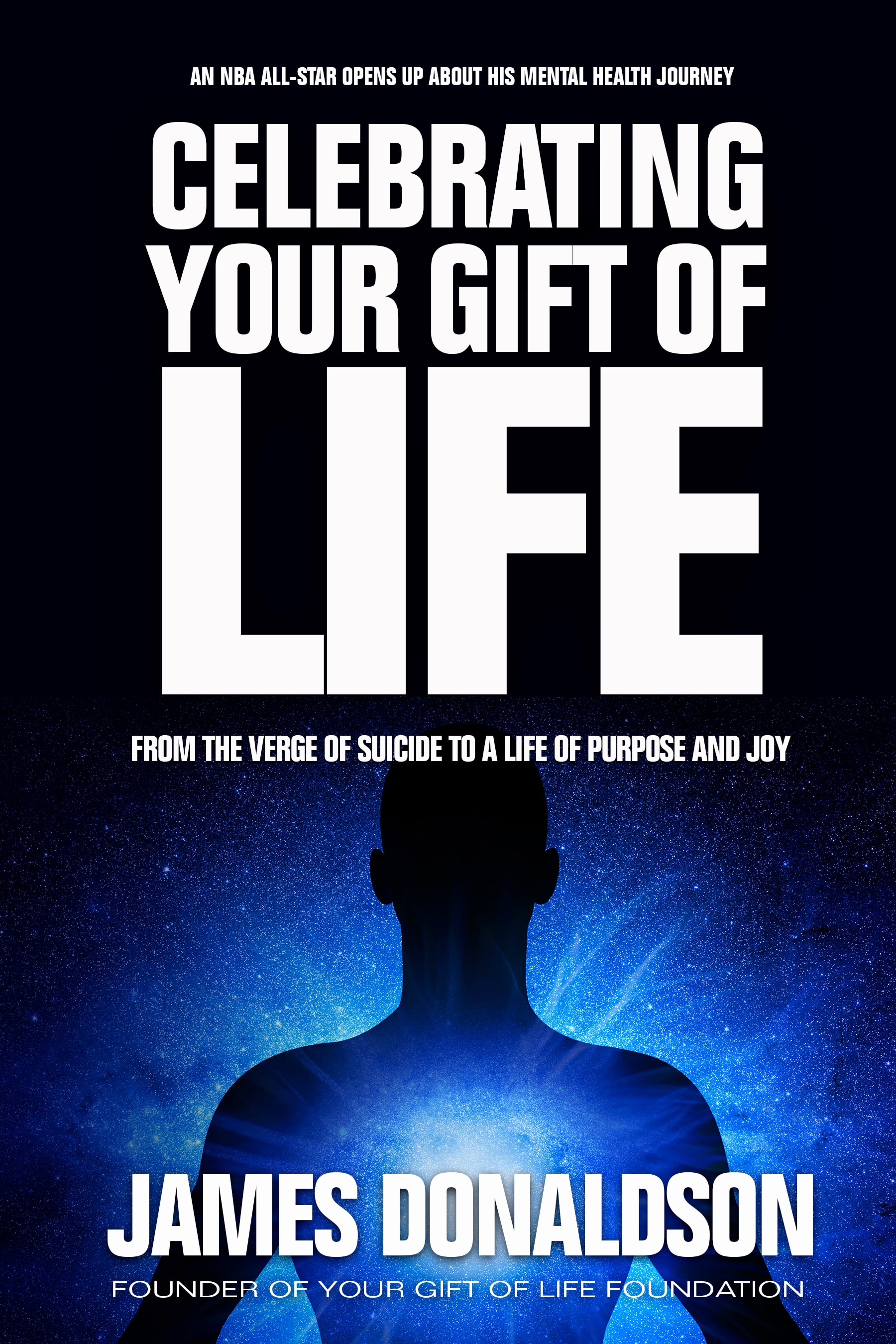
Celebrating Your Gift of Life
From the verge of suicide to a life of purpose and joy
Order & Get It Signed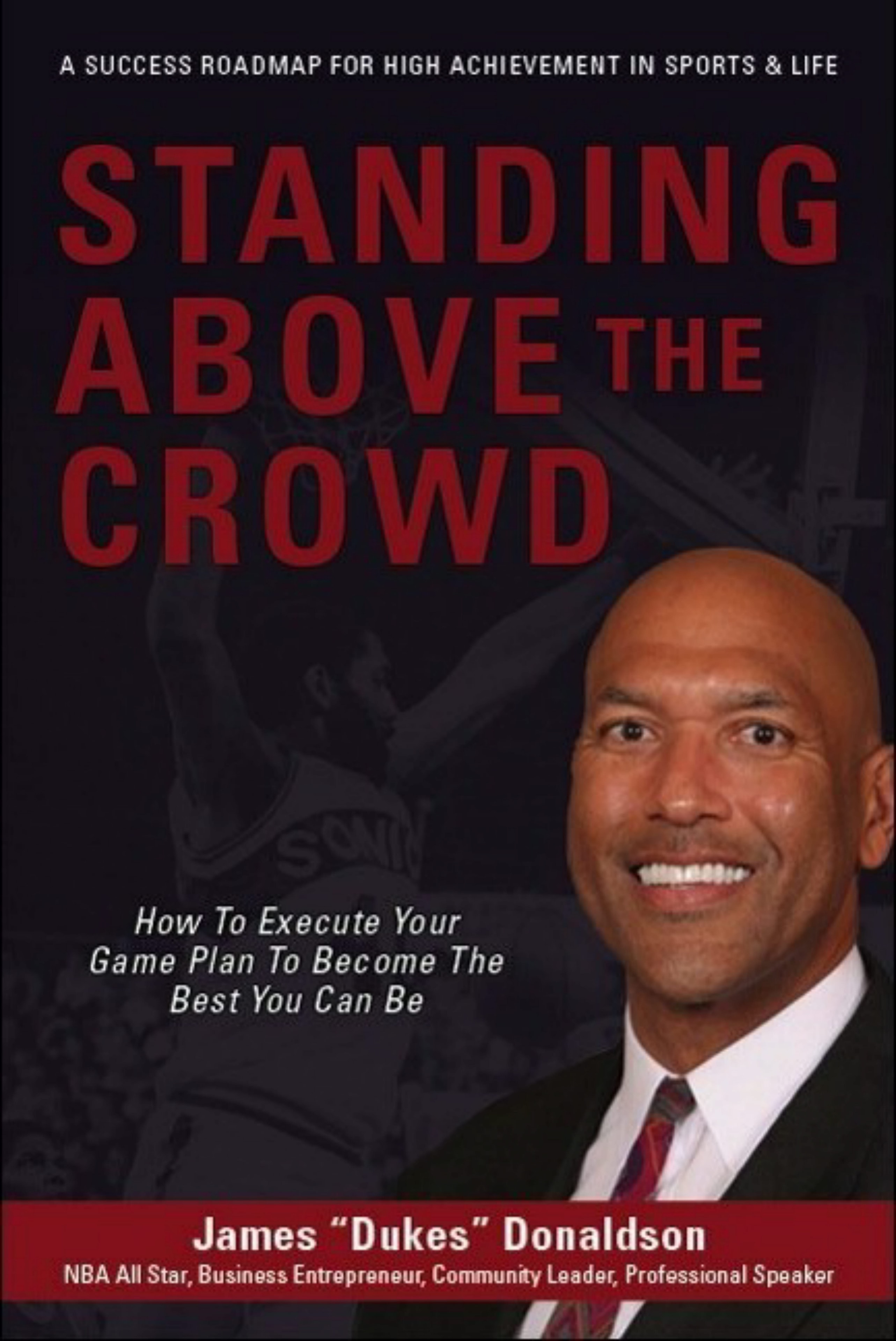
Standing Above the Crowd
Inspiring stories of resilience, hope, and mental wellness
Order & Get It Signed
James Donaldson
Author, Speaker & Mental Health Advocate · Standing Above the Crowd
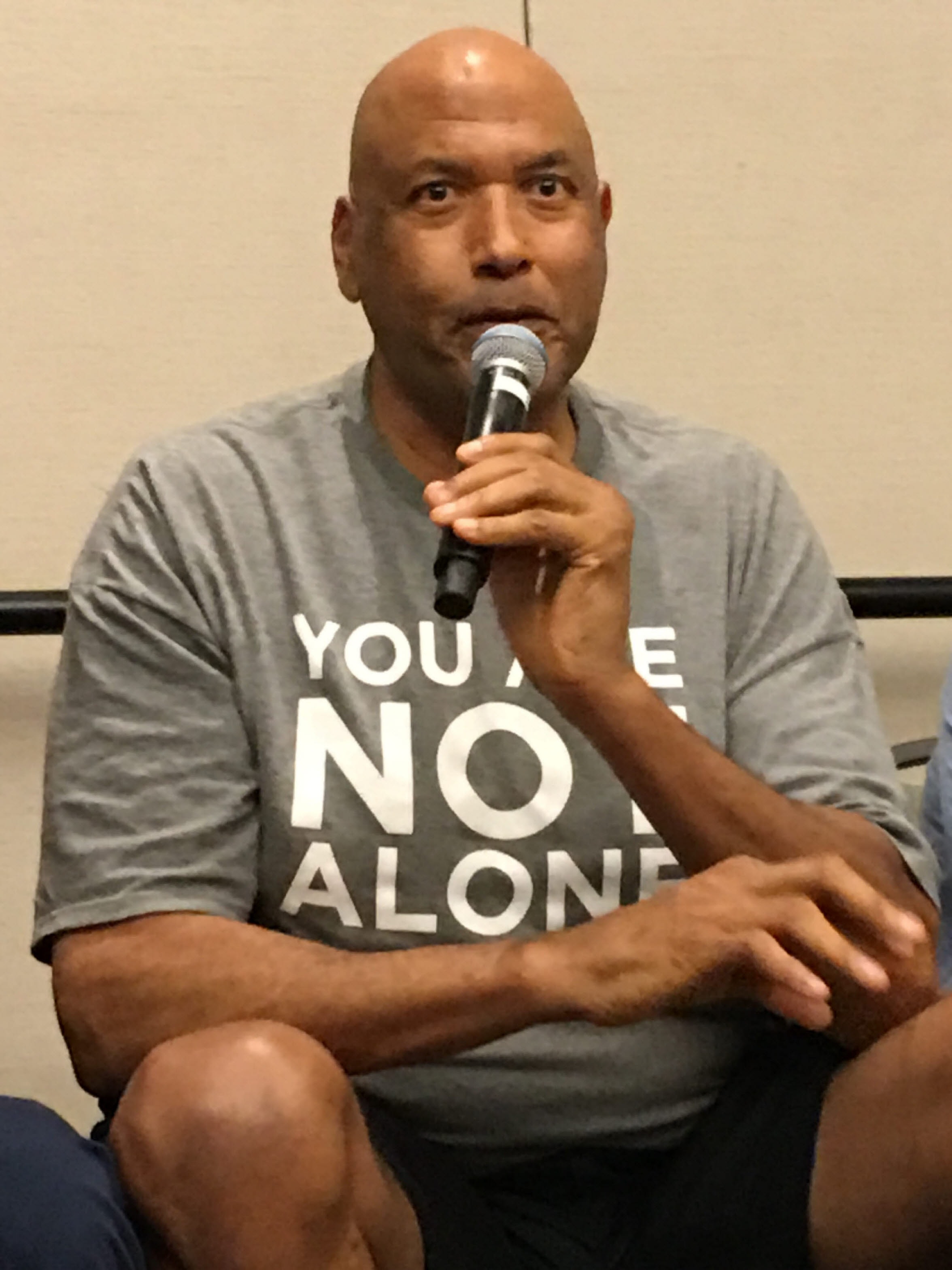
James Donaldson is a former NBA All-Star (1988, Dallas Mavericks) who played 20 years of professional basketball with the Seattle SuperSonics, L.A. Clippers, Dallas Mavericks, New York Knicks, Utah Jazz, and teams across Europe, before touring with the Harlem Globetrotters. A Washington State University graduate inducted into both the Pac-10 and WSU Athletic Halls of Fame, James went on to found The Donaldson Clinic, an outpatient physical therapy practice he operated for nearly three decades. Today he devotes his time to mental health awareness and suicide prevention — speaking to organizations, schools, and youth groups — and is the author of Standing Above the Crowd and Celebrating Your Gift of Life (2021). James recently relocated to the Dallas, TX area and believes deeply in being a role model of success and professionalism for the young people he serves.