7 min read

How to support your child If you’re worried that your child might be engaging in looksmaxxing-related behaviors to an unhealthy degree, says Martinez, there are a few things you can do: Open communica
How to support your child If you’re worried that your child might be engaging in looksmaxxing-related behaviors to an unhealthy degree, says Martinez, there are a few things you can do: Open communication.
Martinez suggests approaching your child with curiosity.
“You could start the conversation by saying something like, ‘So have you heard about this?
Have you ever had any thoughts yourself about how you look or desires to change your body or face?’ And then give them some space to be open and vulnerable about it.
Validate their experience.” Find out where your child is getting their information.
“Read it together, talk about it, and see what your child thinks about it,” Martinez advises.
“And if it’s promoting something dangerous, then you can talk to them about how those practices can be harmful and what could actually happen if they do some of those things.” Encourage male role models.
“There’s a patient I work with now who doesn’t have a present dad,” Martinez explains.
“His mom tries to talk to him about things like body image, but he feels like she doesn’t understand and can’t relate.
So having someone that he can talk to and be open about this stuff with, especially someone who can also share their own struggles, can be really helpful.” Seek help from a mental health professional.
From the Author
Order today and James will personally sign your copy — a meaningful keepsake from an NBA All-Star and mental health advocate.

Celebrating Your Gift of Life
From the verge of suicide to a life of purpose and joy
Order & Get It Signed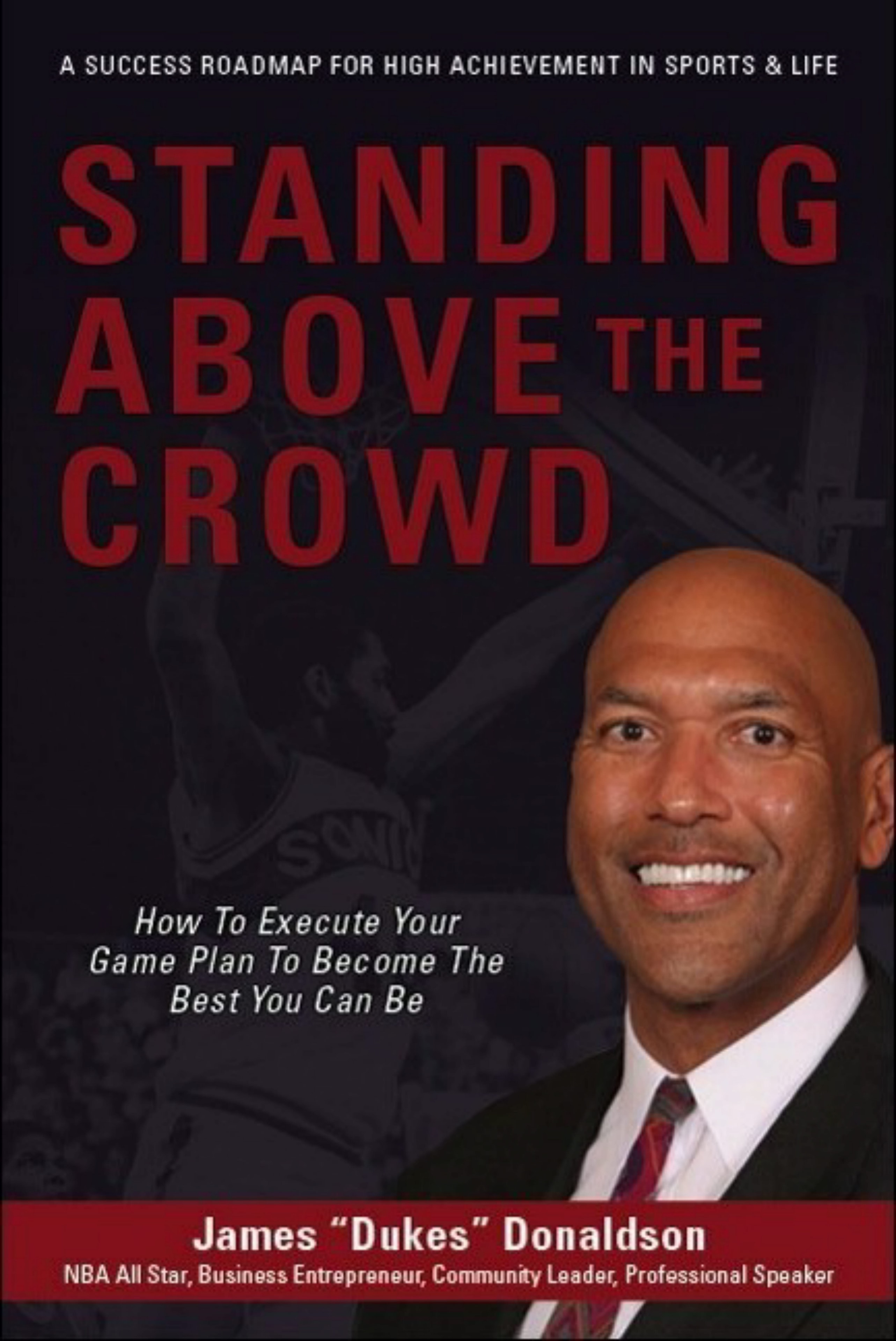
Standing Above the Crowd
Inspiring stories of resilience, hope, and mental wellness
Order & Get It Signed
James Donaldson
Author, Speaker & Mental Health Advocate · Standing Above the Crowd
James Donaldson is a former NBA All-Star (1988, Dallas Mavericks) who played 20 years of professional basketball with the Seattle SuperSonics, L.A. Clippers, Dallas Mavericks, New York Knicks, Utah Jazz, and teams across Europe, before touring with the Harlem Globetrotters. A Washington State University graduate inducted into both the Pac-10 and WSU Athletic Halls of Fame, James went on to found The Donaldson Clinic, an outpatient physical therapy practice he operated for nearly three decades. Today he devotes his time to mental health awareness and suicide prevention — speaking to organizations, schools, and youth groups — and is the author of Standing Above the Crowd and Celebrating Your Gift of Life (2021). James recently relocated to the Dallas, TX area and believes deeply in being a role model of success and professionalism for the young people he serves.