7 min read

Boys are expected to “buck up” Even today, societal norms often dictate that boys aren’t supposed to cry.
Boys are expected to “buck up” Even today, societal norms often dictate that boys aren’t supposed to cry.
“So what boys are taught is when you are sad, when you are upset, do not get sad but get mad,” Dr.
“We’re making some progress, but by and large the situation is still such that by the age of 8, a boy has to learn how not to cry.” She notes that we ask this of boys just at the age where they’re developing the capacity for “really deeper, more meaningful emotions and empathy to disconnect from their own sadness and vulnerability.” Later, these boys-turned-young men have to learn how to communicate their thoughts and emotions “without feeling that it’s somehow a violation of their masculinity.” How to help Let them cry.
You can let boys know that they shouldn’t be ashamed of tears — you’re not embarrassed if they cry — and that expressing feelings doesn’t mean they’re weak.
Parents can also validate their boys’ sadness or anger by encouraging them to talk about their emotions.
Bedtime can be a great chance to check in with younger kids, and with teens you can often get them to open up in the car.
“It doesn’t even have to be a deep conversation, just taking stock,” Dr.
“It’s about opening dialogue.”Parents should also support their boys’ emotions, telling them that they’re okay and that everyone has them.
She adds that books can be helpful in that department.
For example, she has one for her son called Tough Guys Have Feelings, Too , with characters like a losing wrestler and a homesick astronaut feeling sad.
From the Author
Order today and James will personally sign your copy — a meaningful keepsake from an NBA All-Star and mental health advocate.
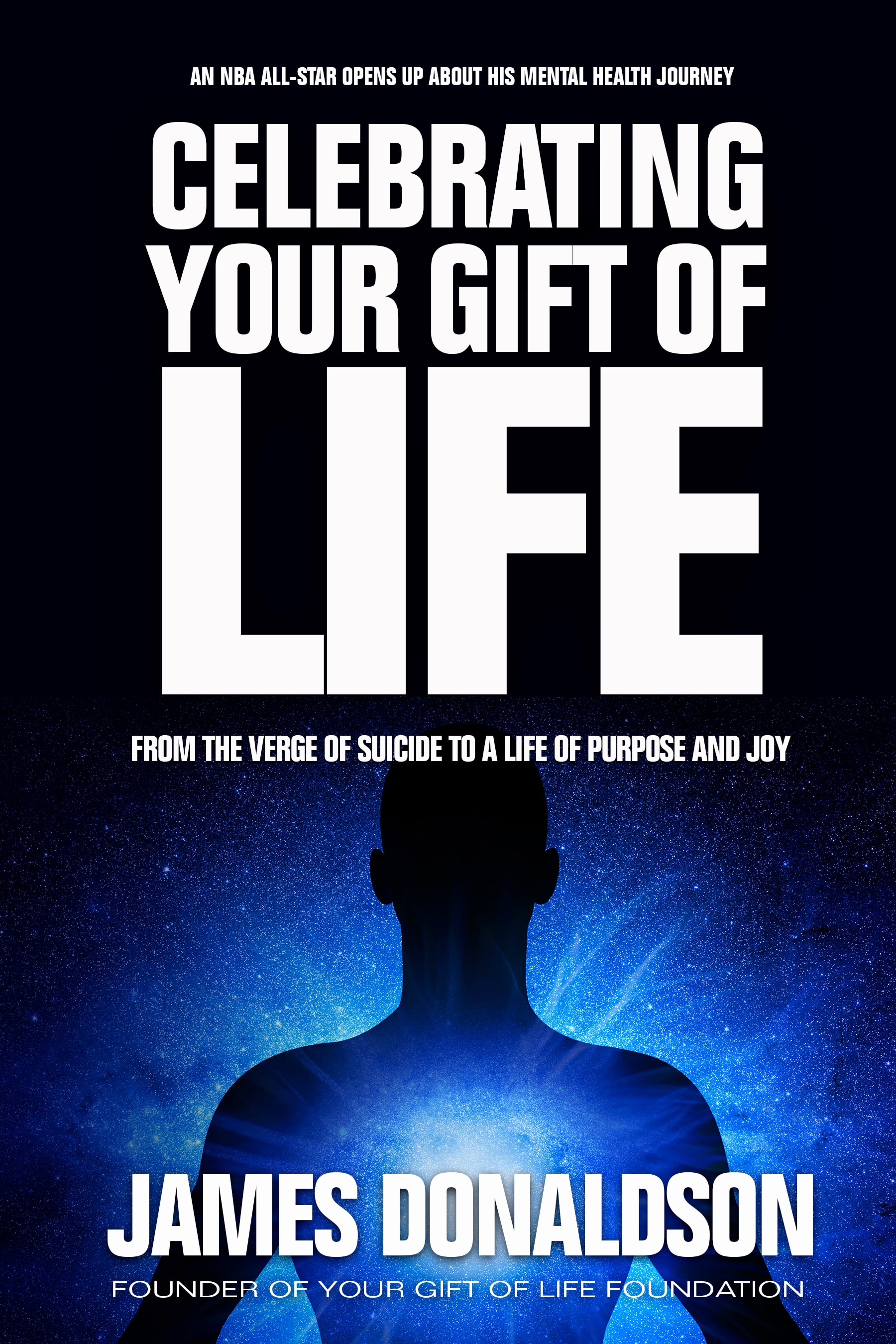
Celebrating Your Gift of Life
From the verge of suicide to a life of purpose and joy
Order & Get It Signed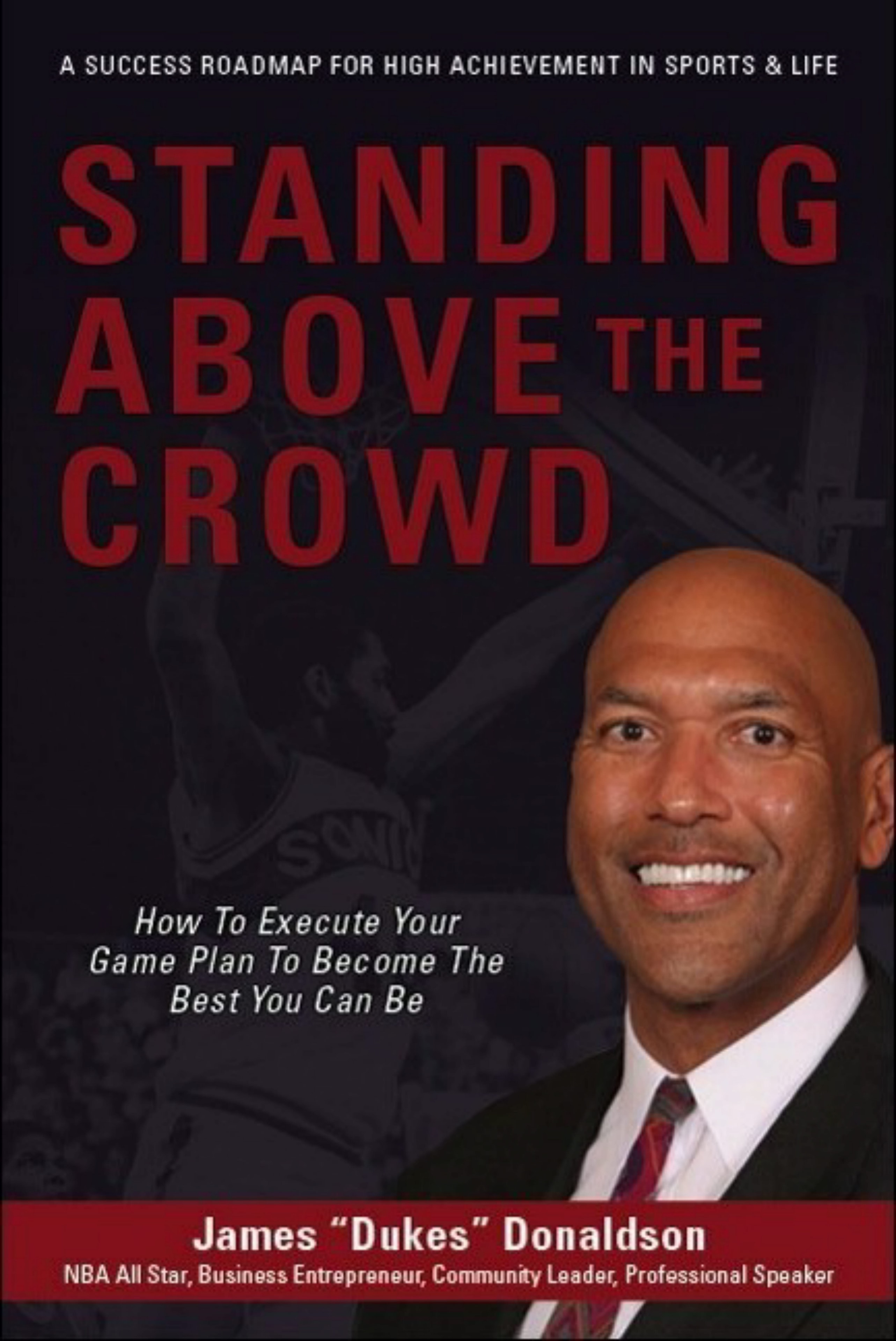
Standing Above the Crowd
Inspiring stories of resilience, hope, and mental wellness
Order & Get It Signed
James Donaldson
Author, Speaker & Mental Health Advocate · Standing Above the Crowd
James Donaldson is a former NBA All-Star (1988, Dallas Mavericks) who played 20 years of professional basketball with the Seattle SuperSonics, L.A. Clippers, Dallas Mavericks, New York Knicks, Utah Jazz, and teams across Europe, before touring with the Harlem Globetrotters. A Washington State University graduate inducted into both the Pac-10 and WSU Athletic Halls of Fame, James went on to found The Donaldson Clinic, an outpatient physical therapy practice he operated for nearly three decades. Today he devotes his time to mental health awareness and suicide prevention — speaking to organizations, schools, and youth groups — and is the author of Standing Above the Crowd and Celebrating Your Gift of Life (2021). James recently relocated to the Dallas, TX area and believes deeply in being a role model of success and professionalism for the young people he serves.