7 min read

Talk kids through how you cope When modeling for your child, talking to them about how and why you use coping strategies can help clarify your intentions.
Talk kids through how you cope When modeling for your child, talking to them about how and why you use coping strategies can help clarify your intentions.
This is especially true for younger children, who might have a harder time grasping the significance of certain actions without a verbal explanation.
For example, if you need to step away for a few minutes, telling your child that you need to spend some time tending to your feelings before leaving the room lets them know that they are not being punished or abandoned.
Going a step further and breaking down the specific skills you will use while away (“I need some time to calm down, so I’m going to go listen to music for 15 minutes, and then I’ll be back”) gives them an example to emulate in the future.
Narration can also be a helpful tool for parenting older children and teens, because talking through your own emotional experience gives you a way to encourage healthy behavior patterns without getting into a power struggle.
“We know that when a child is really upset or escalated, telling them to take some deep breaths and calm down is likely to backfire,” says Berman.
“And that’s where narration can be helpful.
It’s not saying you do this, it’s saying I’m doing this.
And it’s giving kids the space to do so as well without forcing it on them.” Show your feelings (even the painful ones) It’s natural to want to protect your child from pain and discomfort.
But unwanted emotions — even the most intense ones — are a normal part of life.
From the Author
Order today and James will personally sign your copy — a meaningful keepsake from an NBA All-Star and mental health advocate.

Celebrating Your Gift of Life
From the verge of suicide to a life of purpose and joy
Order & Get It Signed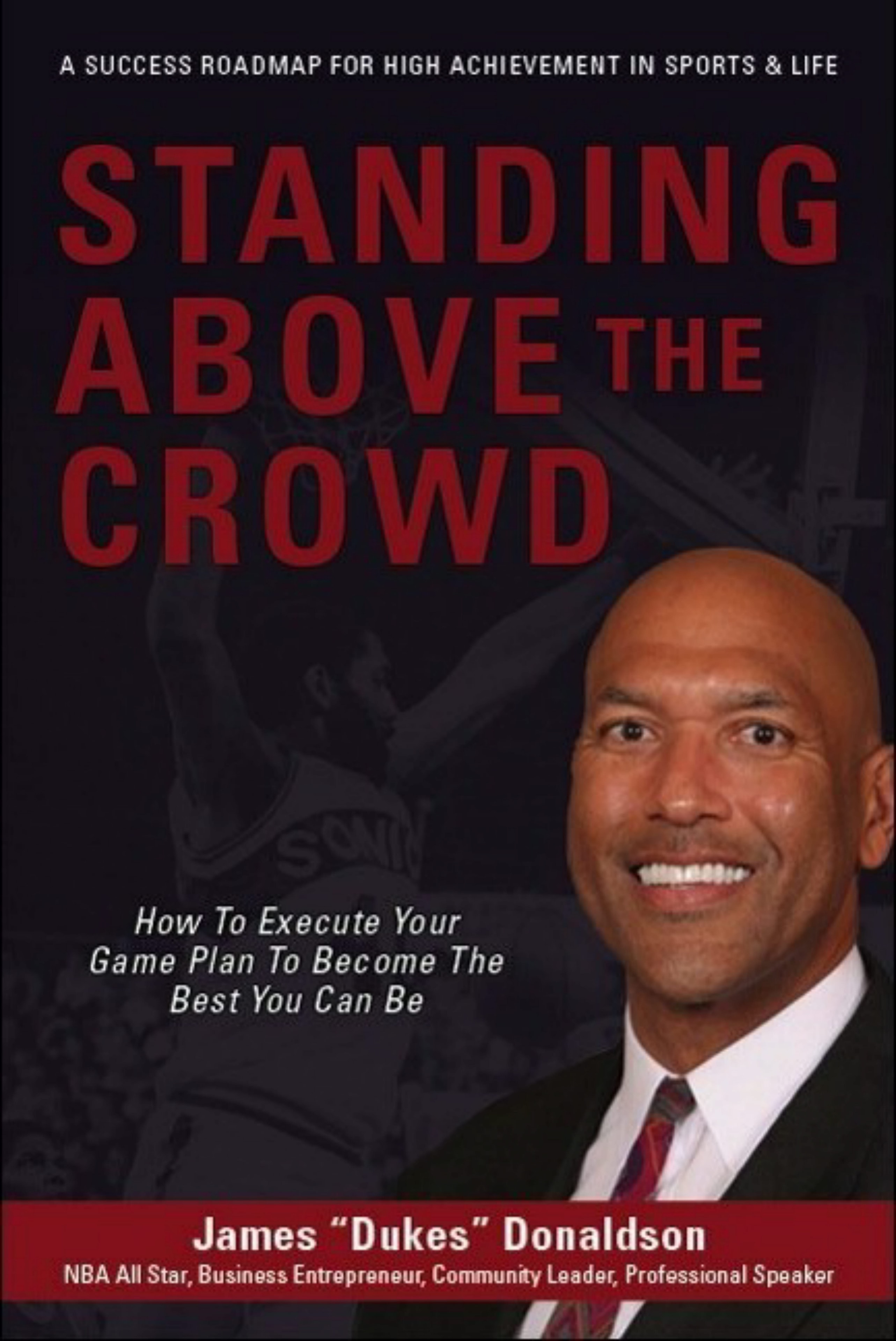
Standing Above the Crowd
Inspiring stories of resilience, hope, and mental wellness
Order & Get It Signed
James Donaldson
Author, Speaker & Mental Health Advocate · Standing Above the Crowd
James Donaldson is a former NBA All-Star (1988, Dallas Mavericks) who played 20 years of professional basketball with the Seattle SuperSonics, L.A. Clippers, Dallas Mavericks, New York Knicks, Utah Jazz, and teams across Europe, before touring with the Harlem Globetrotters. A Washington State University graduate inducted into both the Pac-10 and WSU Athletic Halls of Fame, James went on to found The Donaldson Clinic, an outpatient physical therapy practice he operated for nearly three decades. Today he devotes his time to mental health awareness and suicide prevention — speaking to organizations, schools, and youth groups — and is the author of Standing Above the Crowd and Celebrating Your Gift of Life (2021). James recently relocated to the Dallas, TX area and believes deeply in being a role model of success and professionalism for the young people he serves.