7 min read
For too long, men have been told that asking for help is a sign of weakness. It's time to rewrite that story — because silence is costing lives.
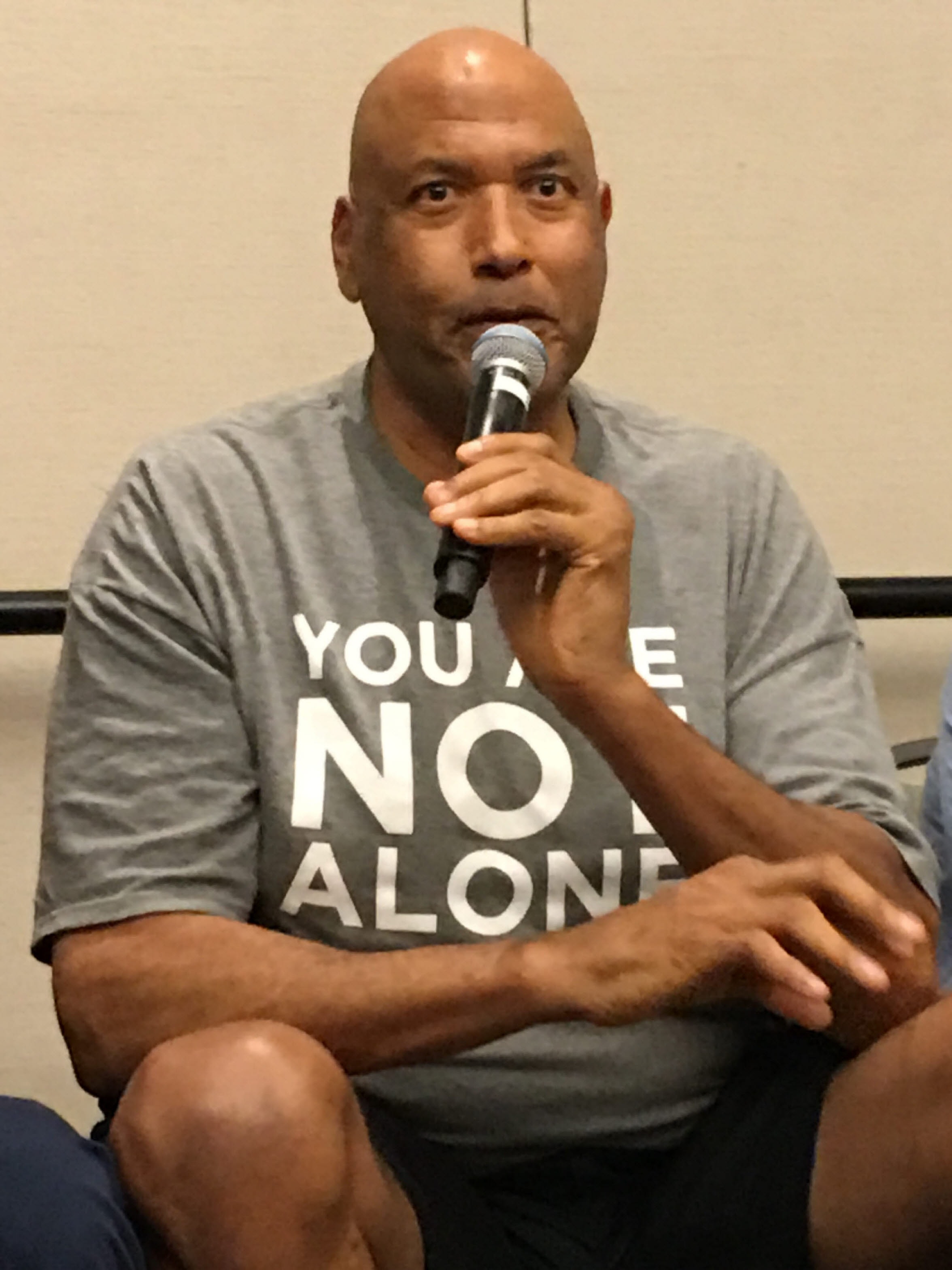
I spent 14 years in the NBA. I was 7 feet tall, physically imposing, and by most measures, the picture of strength. And yet there were years when I was quietly falling apart inside — struggling with anxiety, loneliness, and a sense of purposelessness that I had no language for. I didn't ask for help. I didn't think I was allowed to.
That experience is not unique to me. Across the country, men — particularly Black men — are taught from childhood that emotional vulnerability is weakness. 'Man up.' 'Don't cry.' 'Handle your business.' These messages are so deeply embedded that many men don't even recognize when they're suffering.
The consequences are devastating. Men die by suicide at nearly four times the rate of women. They are less likely to seek mental health treatment, less likely to be diagnosed with depression, and more likely to turn to alcohol or other substances to cope. The stigma isn't just uncomfortable — it's lethal.
What does it take to break through? In my experience, it starts with one honest conversation. One person willing to say, 'I'm not okay.' When I finally opened up to a therapist in my late 30s, it felt like setting down a weight I hadn't realized I'd been carrying for decades.
We also need to change the environments around men. Workplaces, sports teams, faith communities, and schools all have a role to play. When leaders model vulnerability — when coaches talk about mental health, when pastors share their own struggles — it gives permission for everyone else to do the same.
If you're a man reading this and you've been white-knuckling it through life, I want you to know: asking for help is one of the bravest things you can do. It is not weakness. It is wisdom. And it might just save your life.
If you or someone you know is struggling, please reach out to the 988 Suicide and Crisis Lifeline by calling or texting 988. Help is available 24 hours a day, seven days a week.
From the Author
Order today and James will personally sign your copy — a meaningful keepsake from an NBA All-Star and mental health advocate.
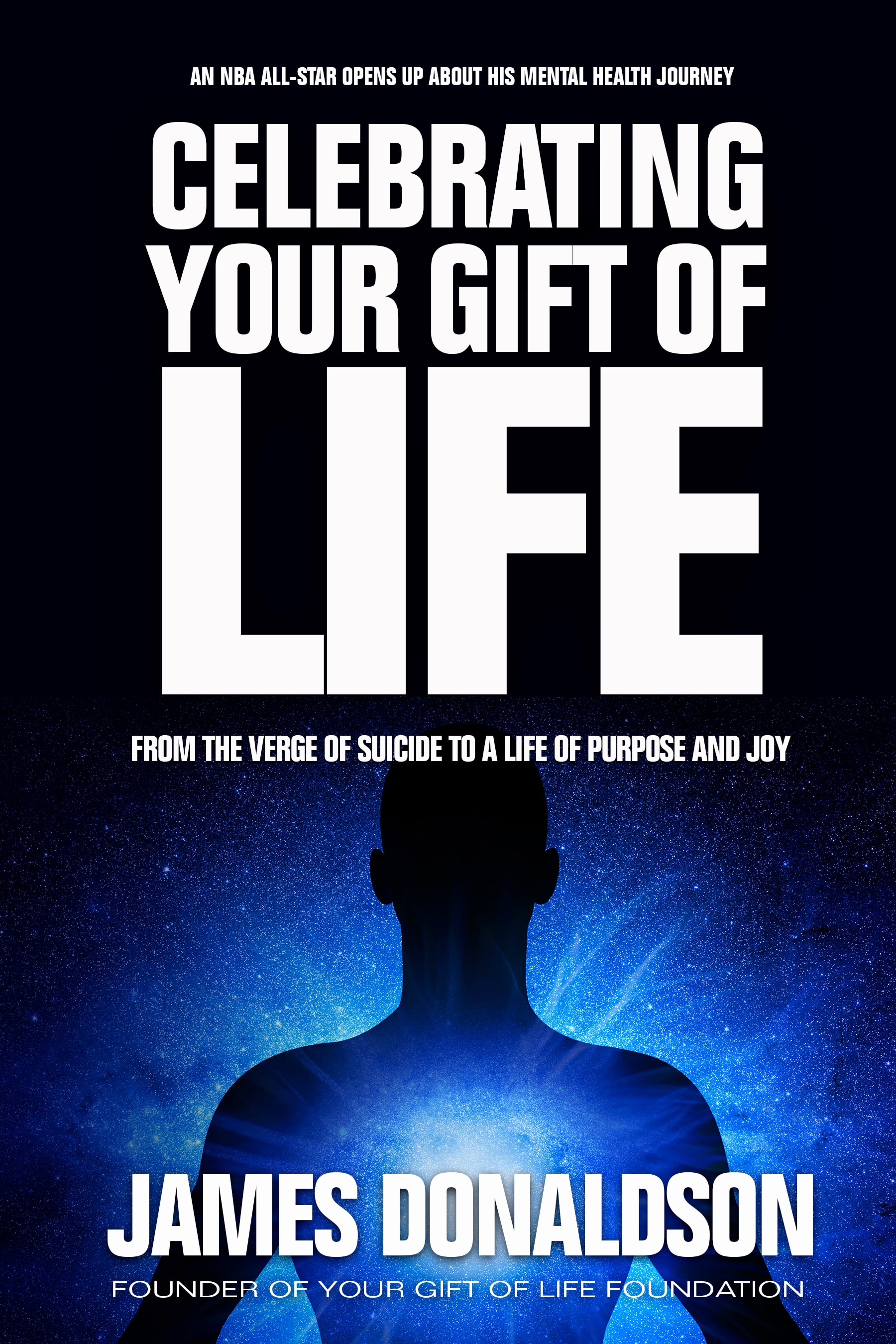
Celebrating Your Gift of Life
From the verge of suicide to a life of purpose and joy
Order & Get It Signed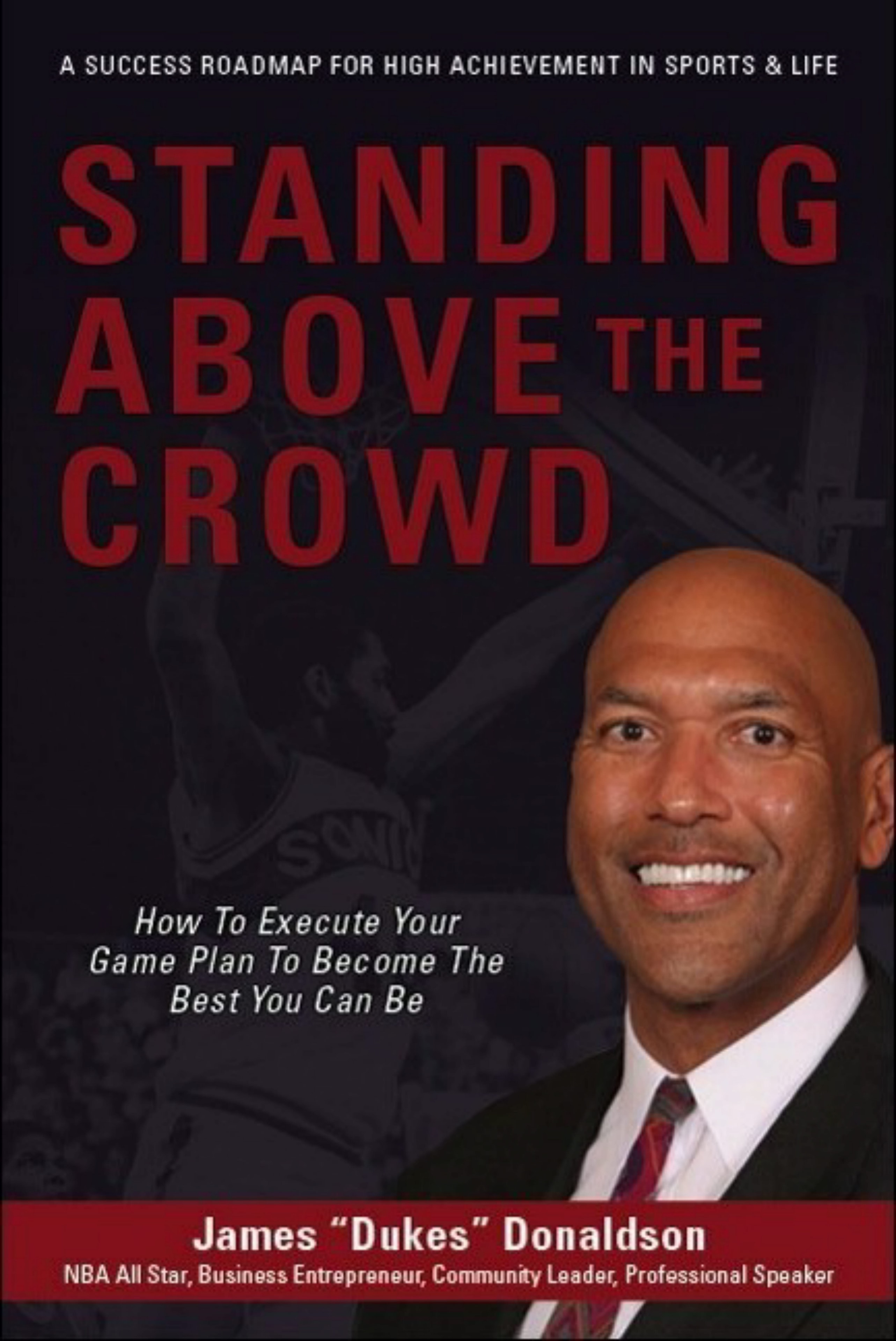
Standing Above the Crowd
Inspiring stories of resilience, hope, and mental wellness
Order & Get It Signed
James Donaldson
Author, Speaker & Mental Health Advocate · Standing Above the Crowd
James Donaldson is a former NBA All-Star (1988, Dallas Mavericks) who played 20 years of professional basketball with the Seattle SuperSonics, L.A. Clippers, Dallas Mavericks, New York Knicks, Utah Jazz, and teams across Europe, before touring with the Harlem Globetrotters. A Washington State University graduate inducted into both the Pac-10 and WSU Athletic Halls of Fame, James went on to found The Donaldson Clinic, an outpatient physical therapy practice he operated for nearly three decades. Today he devotes his time to mental health awareness and suicide prevention — speaking to organizations, schools, and youth groups — and is the author of Standing Above the Crowd and Celebrating Your Gift of Life (2021). James recently relocated to the Dallas, TX area and believes deeply in being a role model of success and professionalism for the young people he serves.