7 min read

Medication treatment If you think of panic attacks as a malfunctioning alarm system, antidepressants called selective serotonin reuptake inhibitors (SSRIs) make the system less reactive.
Medication treatment If you think of panic attacks as a malfunctioning alarm system, antidepressants called selective serotonin reuptake inhibitors (SSRIs) make the system less reactive.
Petersen describes the effect of SSRIs as reducing the intensity of worry.
“Over several weeks I notice that if worry was taking up 70 percent of my brain before, space is opening up, and worry is taking only 40 percent,” she says.
“I find myself more present in the moment, able to have conversations, actually hearing what the other person is saying.
The worry monologue can be so loud and so distracting.” And she says, over time there are fewer panic attacks.
It’s not uncommon for people who experience panic attacks to be prescribed a sedative such as Klonapin, Xanax or Ativan to be taken if they have an attack.
But since panic attacks are short-lived, clinicians note that it’s easy to misinterpret the diminishing symptoms as the effect of the medication, and develop a psychological dependency.
And these medications, called benzodiazepines, have to be taken very carefully, as they can become addictive, and have dangerous interactions with other medications.
Being open about panic attacks While panic attacks are much more widely understood than they were when Petersen was first experiencing them, she notes that research shows that people who have panic disorder often wait years before they discuss symptoms with a medical professional — or even other people.
It’s easy to feel ashamed by the symptoms — if you’re not dying, does that mean there’s something terribly wrong with your brain?
From the Author
Order today and James will personally sign your copy — a meaningful keepsake from an NBA All-Star and mental health advocate.

Celebrating Your Gift of Life
From the verge of suicide to a life of purpose and joy
Order & Get It Signed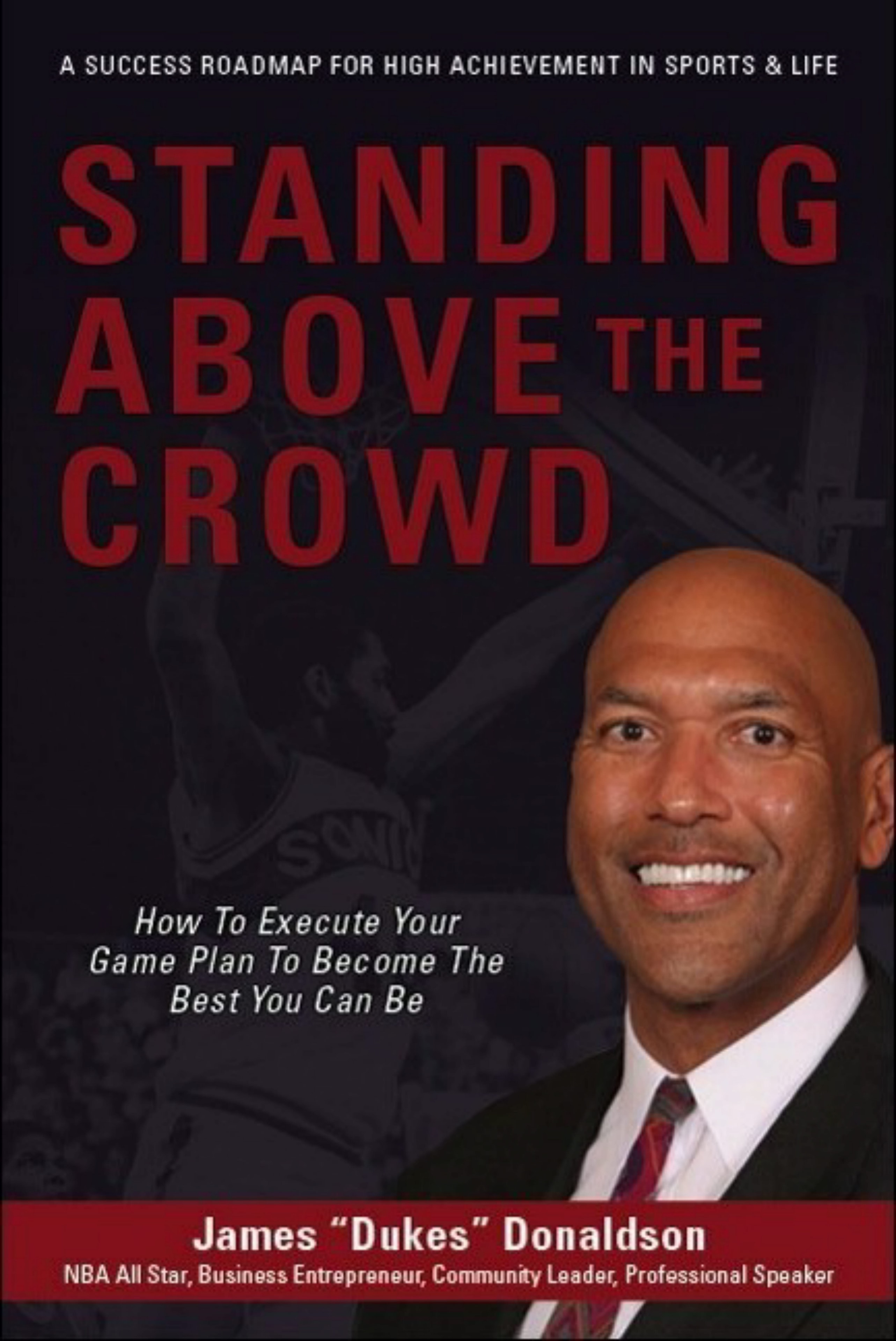
Standing Above the Crowd
Inspiring stories of resilience, hope, and mental wellness
Order & Get It Signed
James Donaldson
Author, Speaker & Mental Health Advocate · Standing Above the Crowd
James Donaldson is a former NBA All-Star (1988, Dallas Mavericks) who played 20 years of professional basketball with the Seattle SuperSonics, L.A. Clippers, Dallas Mavericks, New York Knicks, Utah Jazz, and teams across Europe, before touring with the Harlem Globetrotters. A Washington State University graduate inducted into both the Pac-10 and WSU Athletic Halls of Fame, James went on to found The Donaldson Clinic, an outpatient physical therapy practice he operated for nearly three decades. Today he devotes his time to mental health awareness and suicide prevention — speaking to organizations, schools, and youth groups — and is the author of Standing Above the Crowd and Celebrating Your Gift of Life (2021). James recently relocated to the Dallas, TX area and believes deeply in being a role model of success and professionalism for the young people he serves.