7 min read
Self-compassion, then, allows us to transform a sense of isolation into connectedness when we are suffering.
Self-compassion, then, allows us to transform a sense of isolation into connectedness when we are suffering.
Common humanity is such a valuable notion because we all know how lonely it is to live with an anxiety disorder.
I thought I was the only one who had trouble leaving the house.
I was so embarrassed about it — I wouldn’t talk about my anxiety with anyone.
When I learned that agoraphobia was an actual thing, and that other people had it too, it was like the weight of the world was lifted off me.
(Natalie, age 63) The root of self-compassion is mindfulness, which is defined as being completely open to whatever it is you are feeling or thinking in a given moment.
Many of us are uncomfortable sitting with our emotions because we are scared they will swallow us whole.
Mindfulness teaches us not to push away or try to suppress our emotions.
Another aspect of mindfulness is recognizing that your thoughts and feelings are not a permanent state — that they too will pass.
Understanding the transient nature of thoughts and emotions helps us stay off the hamster wheel of exaggeration — when your mind goes right to “This is the worst thing ever” or “I’ll never feel better.” If we believe that no emotional state lasts forever, then we are better able to tolerate pain and suffering.
From the Author
Order today and James will personally sign your copy — a meaningful keepsake from an NBA All-Star and mental health advocate.
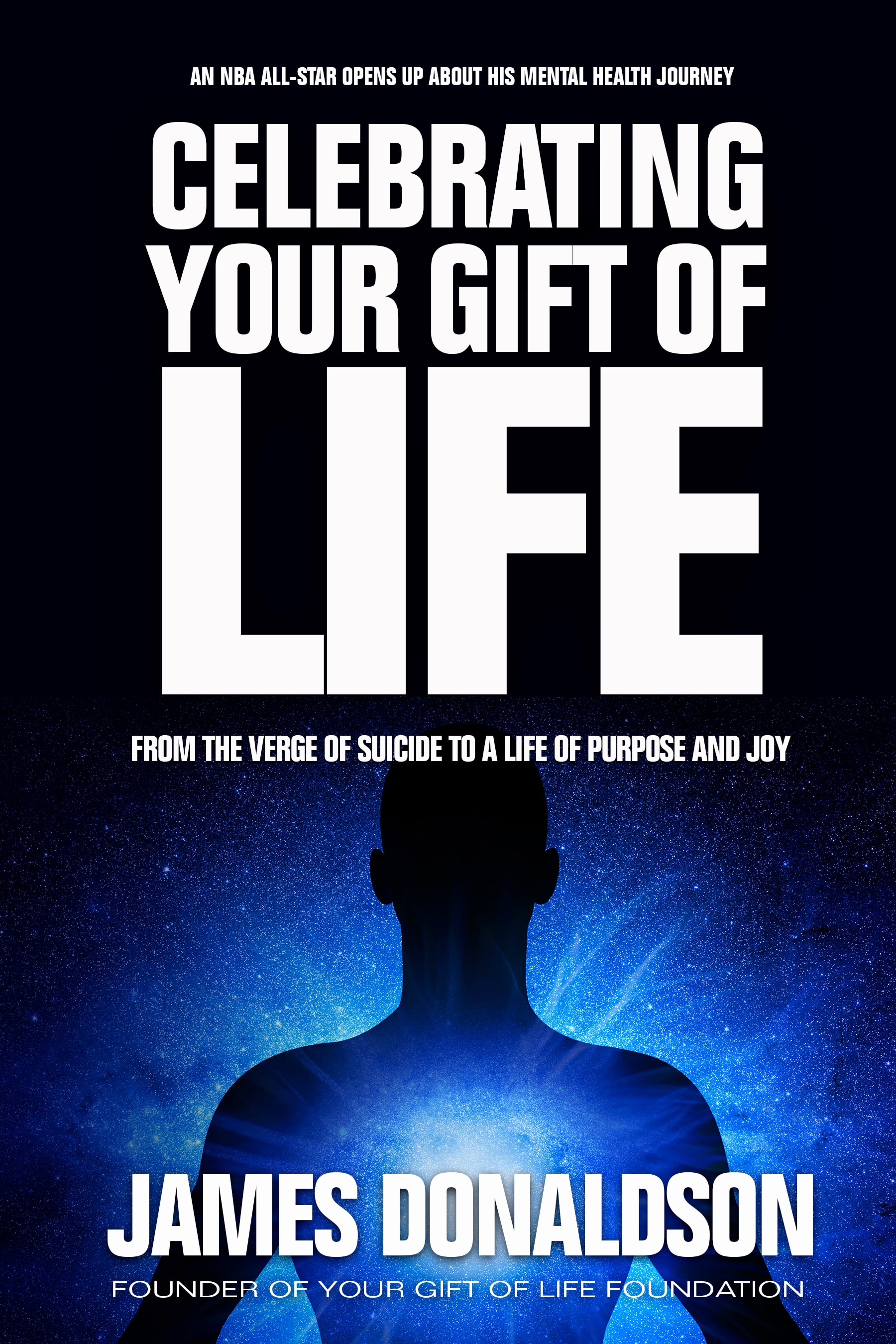
Celebrating Your Gift of Life
From the verge of suicide to a life of purpose and joy
Order & Get It Signed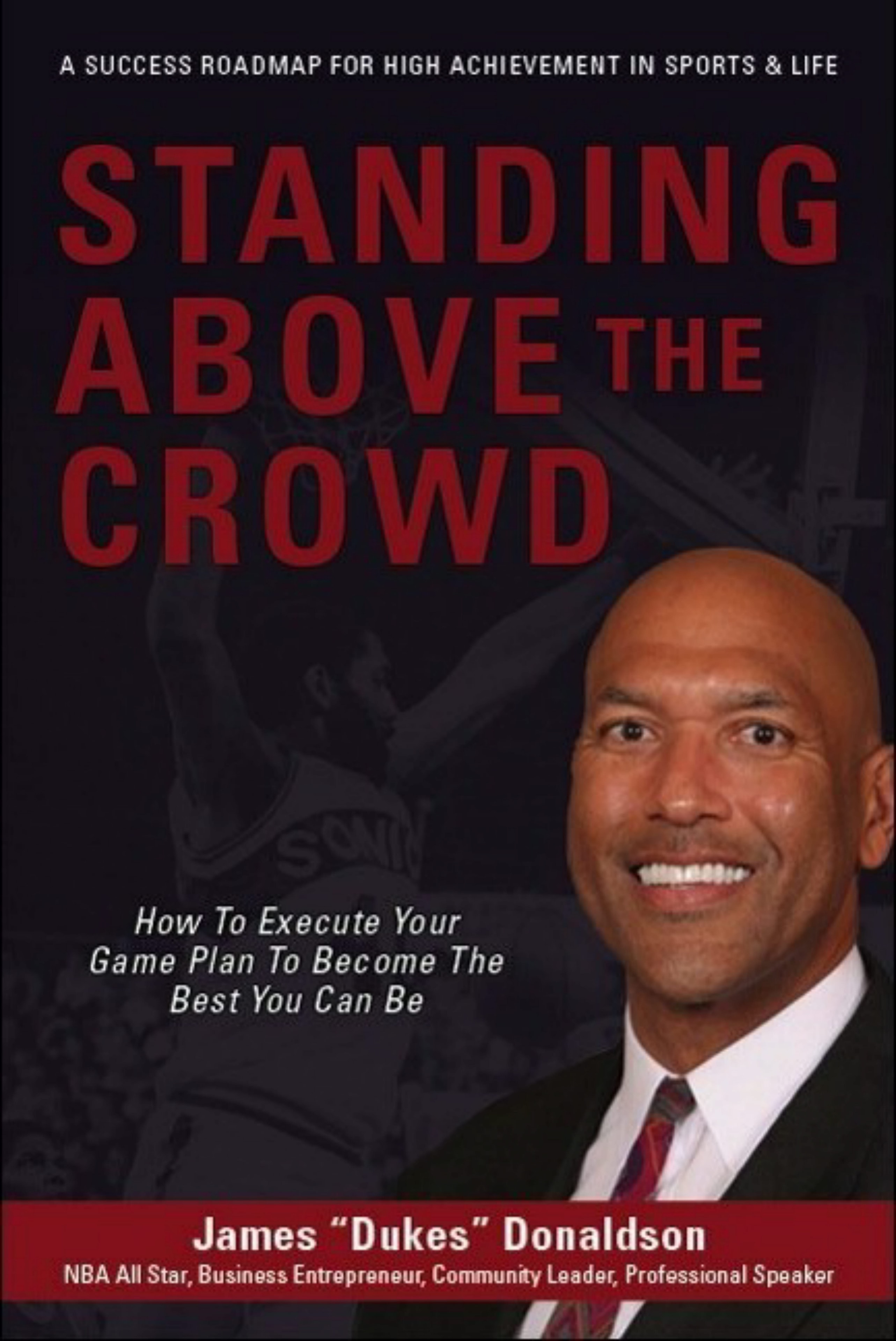
Standing Above the Crowd
Inspiring stories of resilience, hope, and mental wellness
Order & Get It Signed
James Donaldson
Author, Speaker & Mental Health Advocate · Standing Above the Crowd
James Donaldson is a former NBA All-Star (1988, Dallas Mavericks) who played 20 years of professional basketball with the Seattle SuperSonics, L.A. Clippers, Dallas Mavericks, New York Knicks, Utah Jazz, and teams across Europe, before touring with the Harlem Globetrotters. A Washington State University graduate inducted into both the Pac-10 and WSU Athletic Halls of Fame, James went on to found The Donaldson Clinic, an outpatient physical therapy practice he operated for nearly three decades. Today he devotes his time to mental health awareness and suicide prevention — speaking to organizations, schools, and youth groups — and is the author of Standing Above the Crowd and Celebrating Your Gift of Life (2021). James recently relocated to the Dallas, TX area and believes deeply in being a role model of success and professionalism for the young people he serves.