7 min read
Obsessive-Compulsive Disorder (OCD) is often misunderstood and misrepresented.
Obsessive-Compulsive Disorder (OCD) is often misunderstood and misrepresented.
Many people throw around the term casually, but for those who live with OCD, it is a serious condition that can impact daily life.
In this post, we'll delve into the obsessive-compulsive cycle, shedding light on how OCD truly affects individuals and offering insights into management and understanding.
What is the Obsessive-Compulsive Cycle?
Breaking the Cycle: Treatment Options 7.
FAQs Introduction to OCD Obsessive-Compulsive Disorder is a mental health condition characterized by persistent, unwanted thoughts (obsessions) and repetitive behaviors or mental acts (compulsions).
These obsessions and compulsions are distressing and can interfere significantly with daily activities and relationships.
What is the Obsessive-Compulsive Cycle?
The OCD cycle consists of four main components: obsession, anxiety, compulsion, and relief.
This cycle can become a relentless loop that individuals feel powerless to break.
From the Author
Order today and James will personally sign your copy — a meaningful keepsake from an NBA All-Star and mental health advocate.
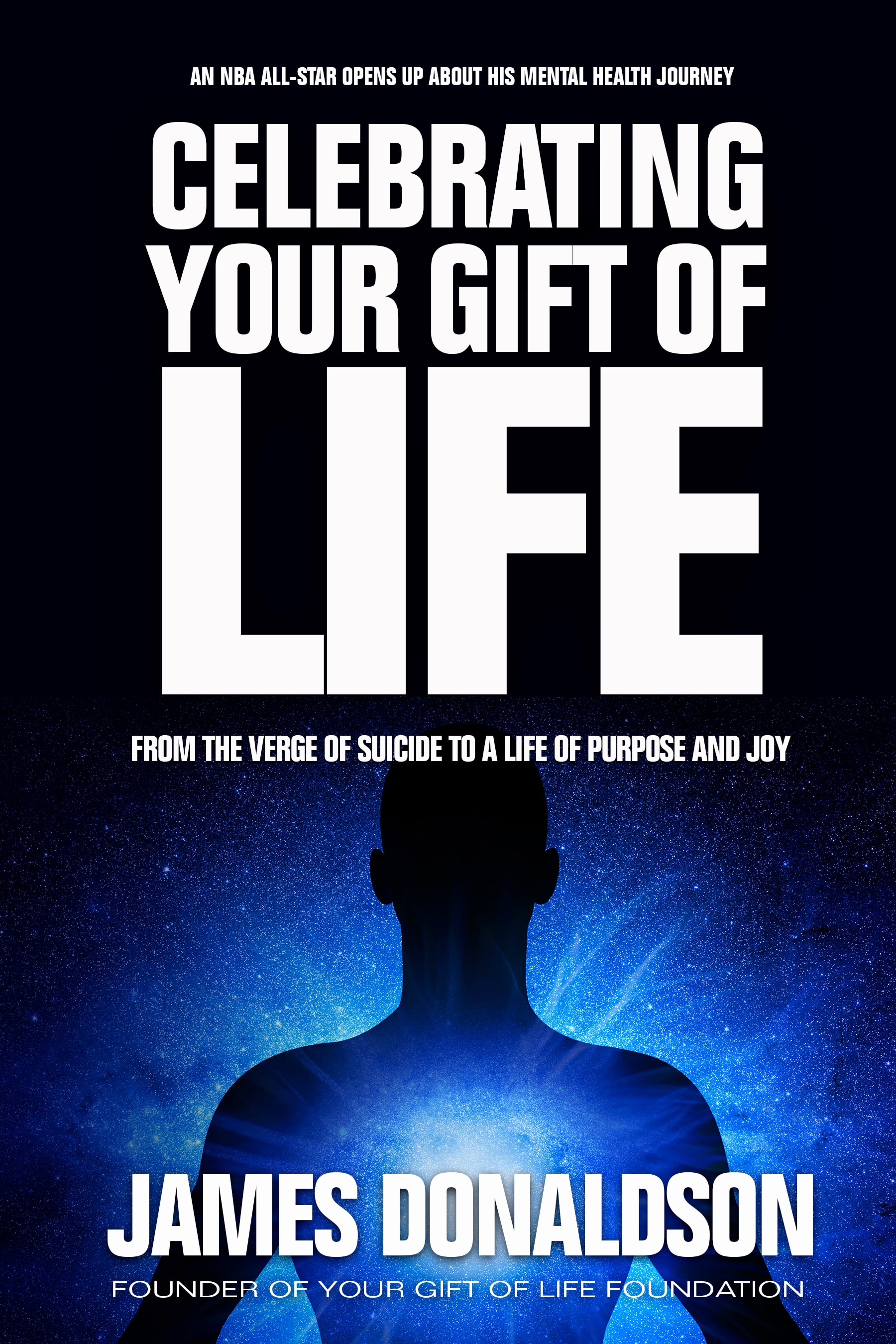
Celebrating Your Gift of Life
From the verge of suicide to a life of purpose and joy
Order & Get It Signed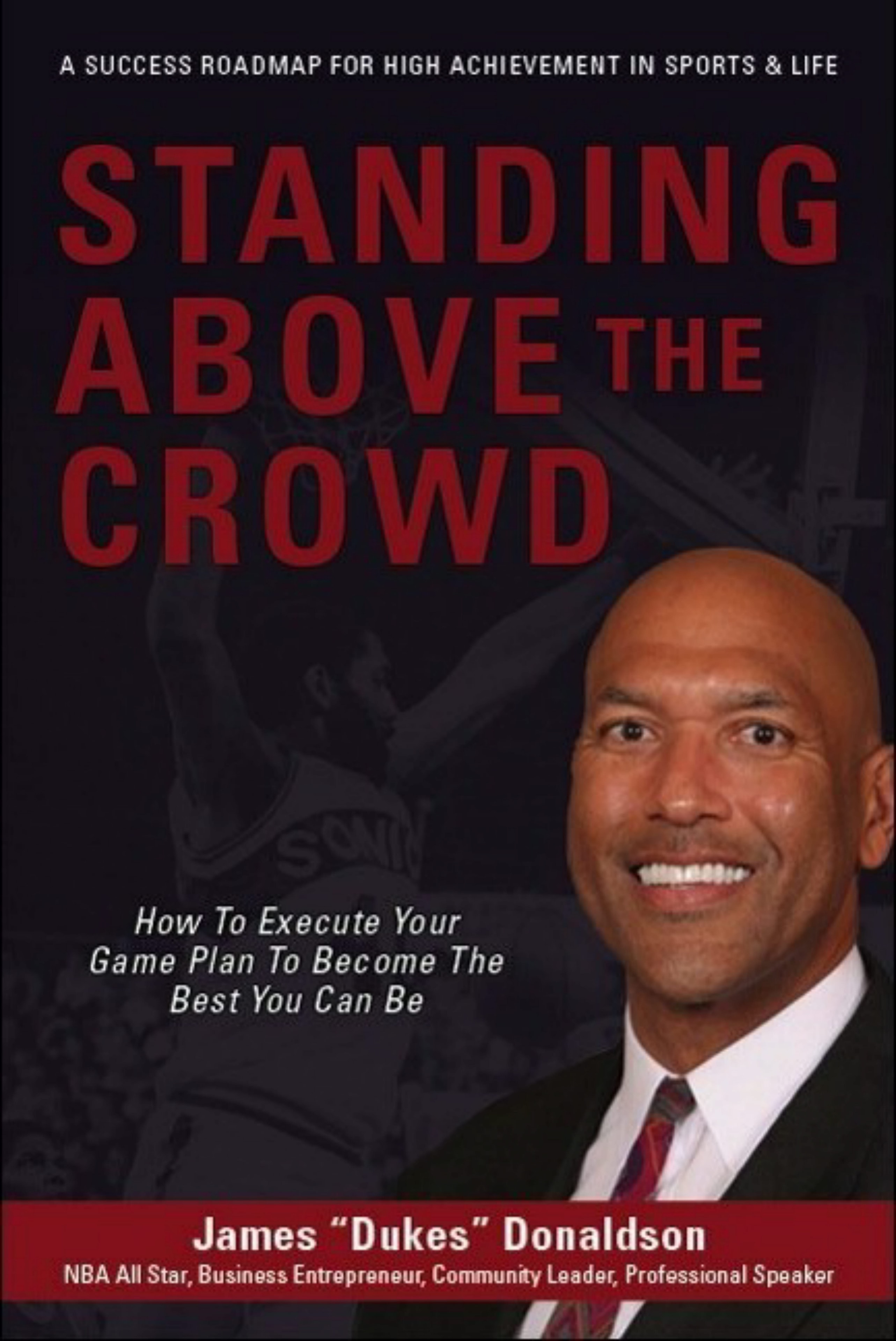
Standing Above the Crowd
Inspiring stories of resilience, hope, and mental wellness
Order & Get It Signed
James Donaldson
Author, Speaker & Mental Health Advocate · Standing Above the Crowd
James Donaldson is a former NBA All-Star (1988, Dallas Mavericks) who played 20 years of professional basketball with the Seattle SuperSonics, L.A. Clippers, Dallas Mavericks, New York Knicks, Utah Jazz, and teams across Europe, before touring with the Harlem Globetrotters. A Washington State University graduate inducted into both the Pac-10 and WSU Athletic Halls of Fame, James went on to found The Donaldson Clinic, an outpatient physical therapy practice he operated for nearly three decades. Today he devotes his time to mental health awareness and suicide prevention — speaking to organizations, schools, and youth groups — and is the author of Standing Above the Crowd and Celebrating Your Gift of Life (2021). James recently relocated to the Dallas, TX area and believes deeply in being a role model of success and professionalism for the young people he serves.