7 min read
New research from Northeastern University sheds light on why some people turn to self-injury to manage emotional pain. Understanding this is the first step toward compassion and healing.
One of the questions I get asked most often — especially by parents and educators — is this: Why would someone hurt themselves on purpose? It seems to defy logic. And yet non-suicidal self-injury, or NSSI, affects as many as one in five adolescents worldwide. That is not a small number. That is a crisis hiding in plain sight.
New research from Northeastern University psychologist Iris Berent and her colleagues, published in Scientific Reports, offers some important insight into why this happens. And I think understanding it can help all of us respond with more compassion and less judgment.
NSSI involves intentionally hurting the body to temporarily ease psychological distress. It is not the same as a suicide attempt. People who engage in self-injury are typically trying to manage emotions that feel unbearable, overwhelming, or impossible to communicate. As therapist Shelli Qualtieri put it, 'Non-suicidal self-injury is an attempt to manage emotions that feel unbearable, overwhelming, or impossible to communicate.'
So why does physical pain sometimes relieve emotional pain? Berent's research points to something fascinating: the way a person intuitively perceives the relationship between their mind and body. Most people naturally see the mind and body as separate — a psychological bias called dualism. This separation actually helps us identify what we are feeling and where it is coming from.
But people who engage in more frequent self-injury tended to lean toward what researchers call physicalism — the view that mind and body are made of the same stuff. When those boundaries blur, emotional pain becomes harder to define and name. As Berent explained, 'Not knowing what happens to us is probably worse than even feeling pain.' Physical pain, by contrast, is concrete. It has a name. It can be located.
This research does not excuse self-harm or suggest it is a healthy coping strategy. But it does give us a window into the mind of someone who is struggling in a way that most of us cannot fully understand. And that window matters.
I have been in dark places myself. I know what it feels like when the emotional pain is so overwhelming that you cannot even name it. During my worst years — 2015 through 2018 — I was drowning in feelings I did not have words for. I did not turn to self-injury, but I understand the desperate search for relief. I understand wanting the pain to stop.
What this research reinforces is the importance of treating the whole person. If someone you love is engaging in self-harm, the answer is not punishment or shame. The answer is compassionate, professional support that helps them learn to identify and process their emotions. Therapy — particularly approaches that build emotional awareness and regulation skills — can make a real difference.
If you or someone you know is struggling with self-harm or emotional pain that feels unmanageable, please reach out for help. Talk to a doctor, a counselor, or a trusted adult. And if you are in crisis, call or text 988 to reach the Suicide and Crisis Lifeline, available 24 hours a day. You do not have to carry this alone.
From the Author
Order today and James will personally sign your copy — a meaningful keepsake from an NBA All-Star and mental health advocate.
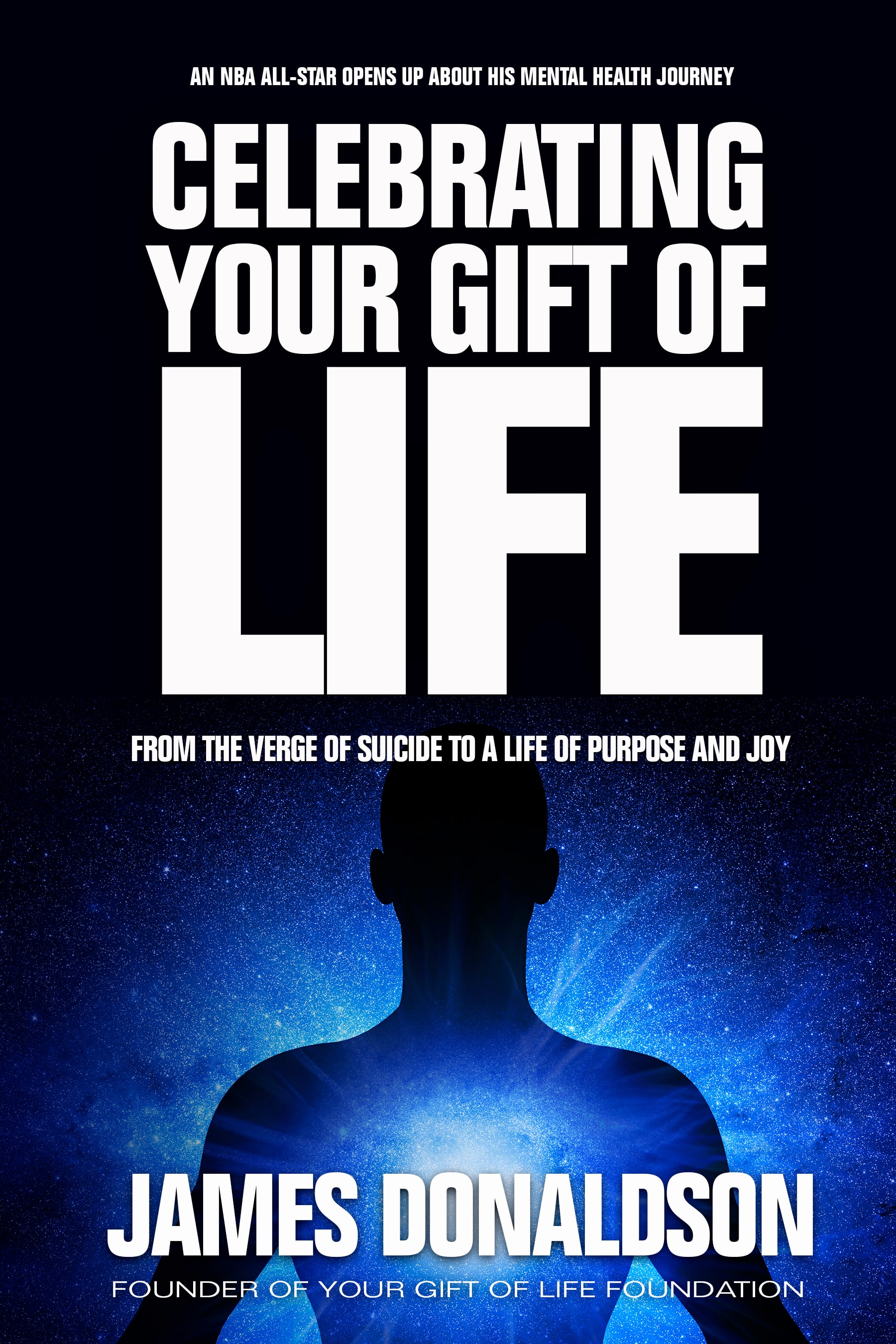
Celebrating Your Gift of Life
From the verge of suicide to a life of purpose and joy
Order & Get It Signed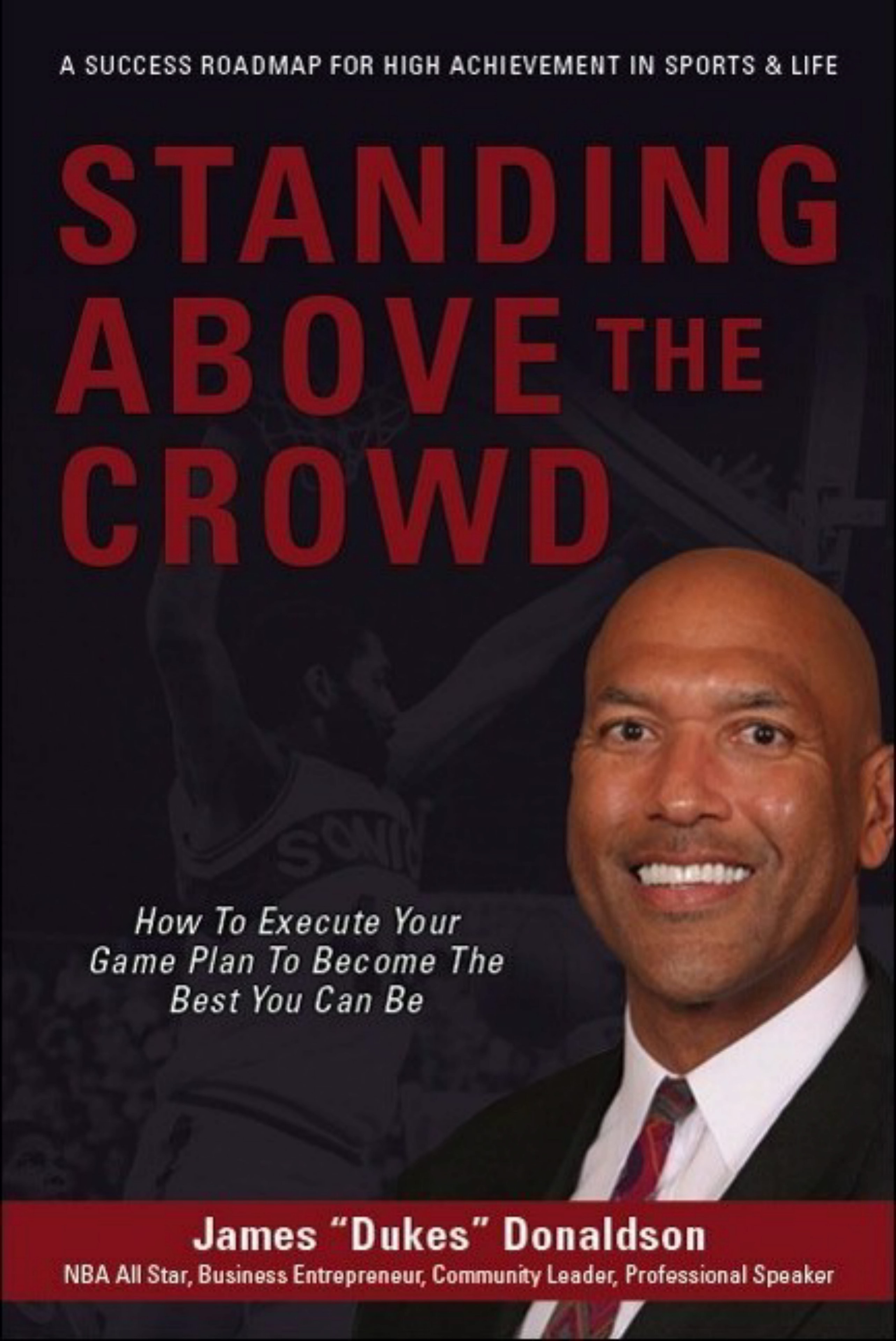
Standing Above the Crowd
Inspiring stories of resilience, hope, and mental wellness
Order & Get It Signed
James Donaldson
Author, Speaker & Mental Health Advocate · Standing Above the Crowd
James Donaldson is a former NBA All-Star (1988, Dallas Mavericks) who played 20 years of professional basketball with the Seattle SuperSonics, L.A. Clippers, Dallas Mavericks, New York Knicks, Utah Jazz, and teams across Europe, before touring with the Harlem Globetrotters. A Washington State University graduate inducted into both the Pac-10 and WSU Athletic Halls of Fame, James went on to found The Donaldson Clinic, an outpatient physical therapy practice he operated for nearly three decades. Today he devotes his time to mental health awareness and suicide prevention — speaking to organizations, schools, and youth groups — and is the author of Standing Above the Crowd and Celebrating Your Gift of Life (2021). James recently relocated to the Dallas, TX area and believes deeply in being a role model of success and professionalism for the young people he serves.