7 min read

Is your child addicted to video games? The answer is more nuanced than you might think. Here is what the research says about internet gaming disorder and how to set healthy boundaries.
I hear from parents all the time who are worried about how much time their kids spend playing video games. And I understand the concern. But before we label every gaming-obsessed child as an addict, I think it is worth understanding what the research actually says — because the picture is more nuanced than most people realize.
The Child Mind Institute has done excellent work on this topic, and I want to share some of their key insights. The official term for problematic gaming is internet gaming disorder, and it is listed in the DSM-5 as a condition for further study — meaning experts are still debating exactly how to define it and whether it should be a standalone diagnosis.
The key question is not how many hours a child plays, but whether gaming is crowding out the things that matter most: sleep, school performance, face-to-face friendships, and other activities. As Dr. Dave Anderson of the Child Mind Institute puts it, 'A lot of parents will say it leads to major conflicts when we're asking them to stop playing video games. But that does not necessarily mean the kid has a gaming disorder.'
What the research does show is that problematic gaming rarely occurs in isolation. It almost always co-occurs with something else — ADHD, depression, social anxiety, or autism spectrum disorder. A child who is struggling socially may retreat into gaming because it provides a sense of belonging and competence that they are not finding in real life. A child who is depressed may use gaming to escape. In these cases, treating the underlying condition is often the most effective approach.
Dr. Douglas Gentile, a professor of psychology at Iowa State University who researches the effects of video games, describes a cycle that many parents will recognize: a child who is not doing well in school and does not have many friends gets depressed, retreats into gaming for relief, falls further behind socially and academically, gets more depressed, and games more. At some point, the gaming itself becomes a problem — but it started as a symptom of something deeper.
So what should parents do? The experts recommend against banning gaming entirely in most cases. Instead, focus on making sure four key areas of life are covered: academics, extracurricular activities, face-to-face time with friends, and adequate sleep. When those are in place, a moderate amount of gaming is generally fine.
Set clear, predictable boundaries. Make gaming time something that is earned by meeting those other needs — not something that is taken away as punishment. Work with your child to find times that work for everyone, including times when they can play with their friends online.
And if you are genuinely concerned that your child's gaming is a symptom of something deeper — depression, anxiety, ADHD, social struggles — seek a comprehensive evaluation. Do not just address the gaming. Address what is underneath it.
I think about the young people I meet who have retreated from the world into screens. They are not bad kids. They are hurting kids. They need connection, purpose, and support — not just fewer hours on a controller. Let us meet them where they are. And if you or your child ever needs immediate support, call or text 988 to reach the Suicide and Crisis Lifeline, available 24 hours a day.
From the Author
Order today and James will personally sign your copy — a meaningful keepsake from an NBA All-Star and mental health advocate.
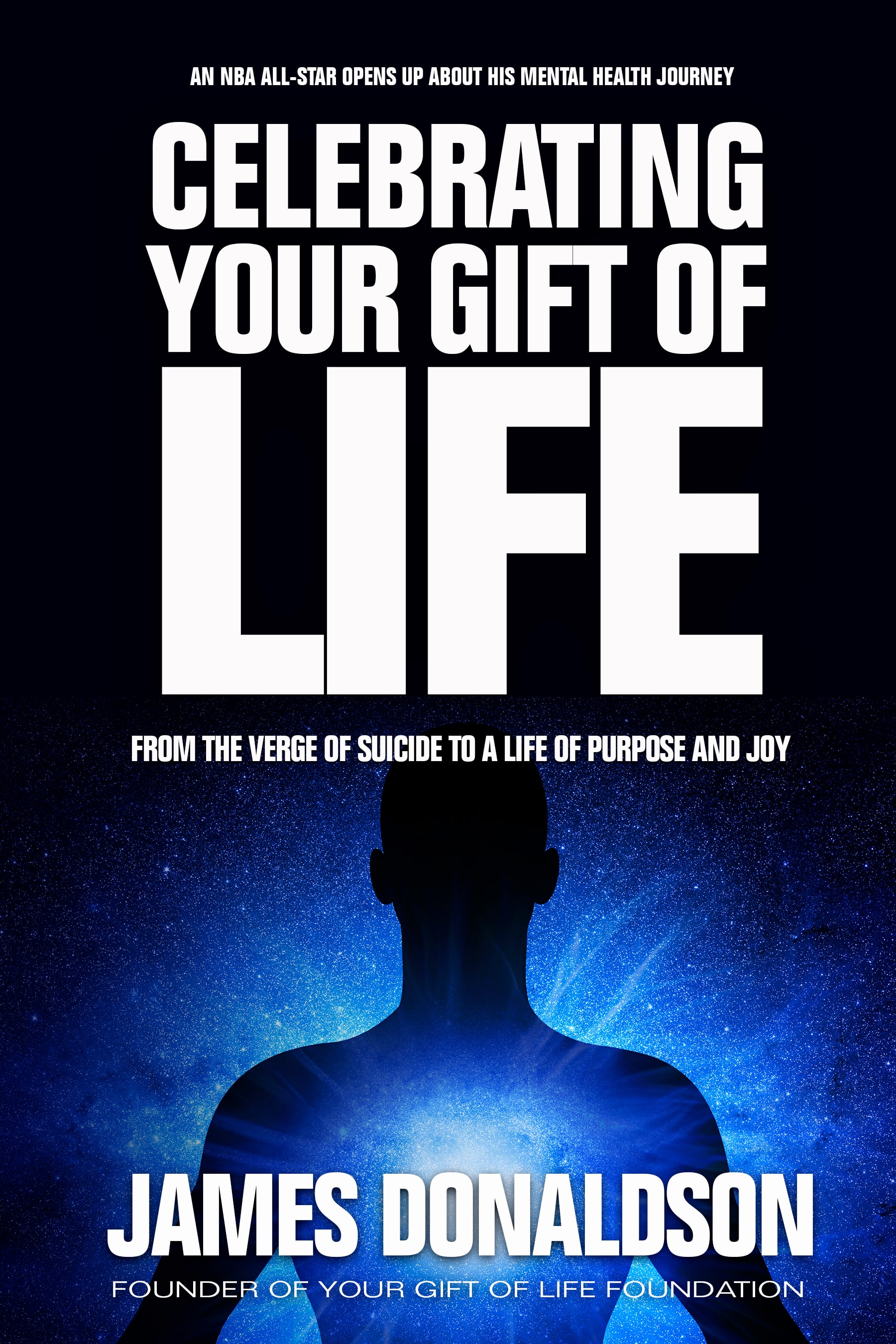
Celebrating Your Gift of Life
From the verge of suicide to a life of purpose and joy
Order & Get It Signed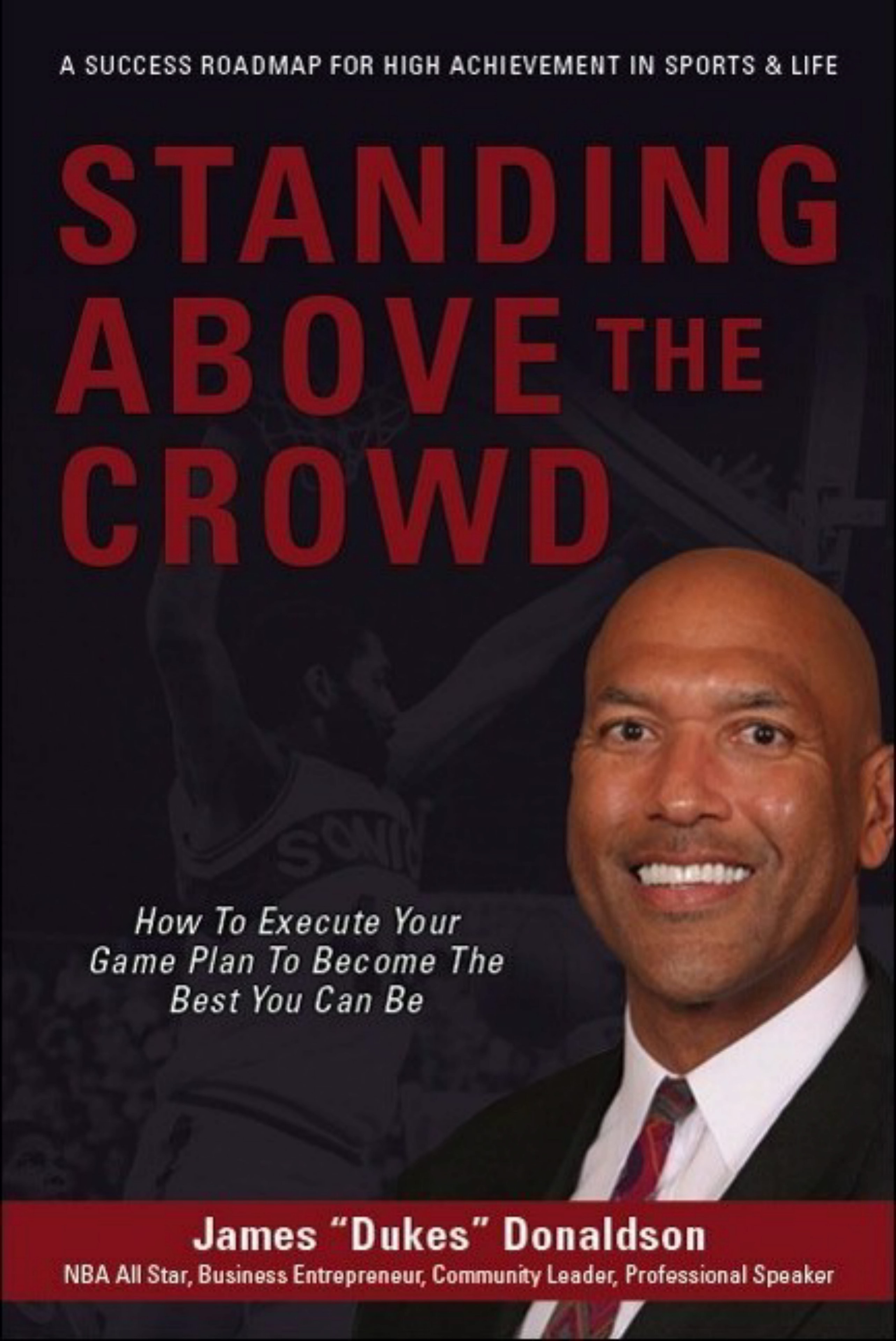
Standing Above the Crowd
Inspiring stories of resilience, hope, and mental wellness
Order & Get It Signed
James Donaldson
Author, Speaker & Mental Health Advocate · Standing Above the Crowd
James Donaldson is a former NBA All-Star (1988, Dallas Mavericks) who played 20 years of professional basketball with the Seattle SuperSonics, L.A. Clippers, Dallas Mavericks, New York Knicks, Utah Jazz, and teams across Europe, before touring with the Harlem Globetrotters. A Washington State University graduate inducted into both the Pac-10 and WSU Athletic Halls of Fame, James went on to found The Donaldson Clinic, an outpatient physical therapy practice he operated for nearly three decades. Today he devotes his time to mental health awareness and suicide prevention — speaking to organizations, schools, and youth groups — and is the author of Standing Above the Crowd and Celebrating Your Gift of Life (2021). James recently relocated to the Dallas, TX area and believes deeply in being a role model of success and professionalism for the young people he serves.