7 min read

We often reduce suicide to a single cause — mental illness. But the research tells a more complex story. Socioeconomic inequality, workplace bullying, crushing workloads, and neurodivergence all play a role. Understanding this complexity isn't just academic — it could save lives.
When someone dies by suicide, one of the first things people say is, "They must have had a mental illness." And while mental health conditions can absolutely be a factor, this explanation — offered as if it's complete — does a disservice to the complexity of human suffering and, more importantly, to the people we're trying to help.
Researchers Claire Launchbury and Sarah Waters from the University of Leeds put it plainly: suicide is not reducible to mental illness. It is typically the result of a complex of overwhelming circumstances accompanied by a sense of entrapment that results in unbearable pain.
Let me say that again: a sense of entrapment that results in unbearable pain. That's the common thread — not a diagnosis.
The Broader Picture of Suicide Risk
The evidence points to a wide range of contributing factors that we don't talk about nearly enough:
Socioeconomic inequality. The suicide prevention charity Samaritans has documented how financial stress, poverty, and economic insecurity contribute to suicidality. When people feel trapped by circumstances beyond their control — debt, unemployment, housing instability — the psychological weight can become unbearable.
Workplace conditions. Research on workplace suicide has investigated how intolerable situations — crushing workloads, bullying, job precariousness — can factor into someone taking their life. This is something I feel strongly about. We spend a third of our lives at work. When that environment becomes toxic or hopeless, it affects everything.
Neurodivergence. Epidemiological research shows that autism and other forms of neurodivergence are associated with increased rates of suicidality. People who experience the world differently often face compounded challenges — social isolation, misunderstanding, lack of appropriate support — that elevate their risk.
Why This Matters for How We Respond
If we only look for mental illness as the cause of suicide, we miss the people who are suffering for other reasons. We miss the worker who is being bullied and feels there's no way out. We miss the person drowning in debt who sees no path forward. We miss the neurodivergent individual who has never felt understood.
Suicide prevention requires us to ask broader questions: Who in our community is feeling trapped? Who is overwhelmed? Who has lost hope — not because of a diagnosis, but because of circumstances that feel impossible to escape?
And we need to create environments — in our workplaces, our schools, our communities — where people feel safe enough to say, "I'm not okay." Not just environments that screen for mental illness, but environments that address the full range of human suffering.
A Note on Language
One more thing worth mentioning: the phrase "committing suicide" has been outmoded for decades. The word "committing" implies criminality — a relic from when suicide was actually illegal. Today, we say "died by suicide" or "took their own life." Language matters. It shapes how we think about people who are suffering, and it shapes whether they feel safe enough to reach out.
If you or someone you know is struggling, please reach out. Call or text 988 to connect with the Suicide & Crisis Lifeline. You don't have to be in a mental health crisis to deserve support. You just have to be hurting.
From the Author
Order today and James will personally sign your copy — a meaningful keepsake from an NBA All-Star and mental health advocate.
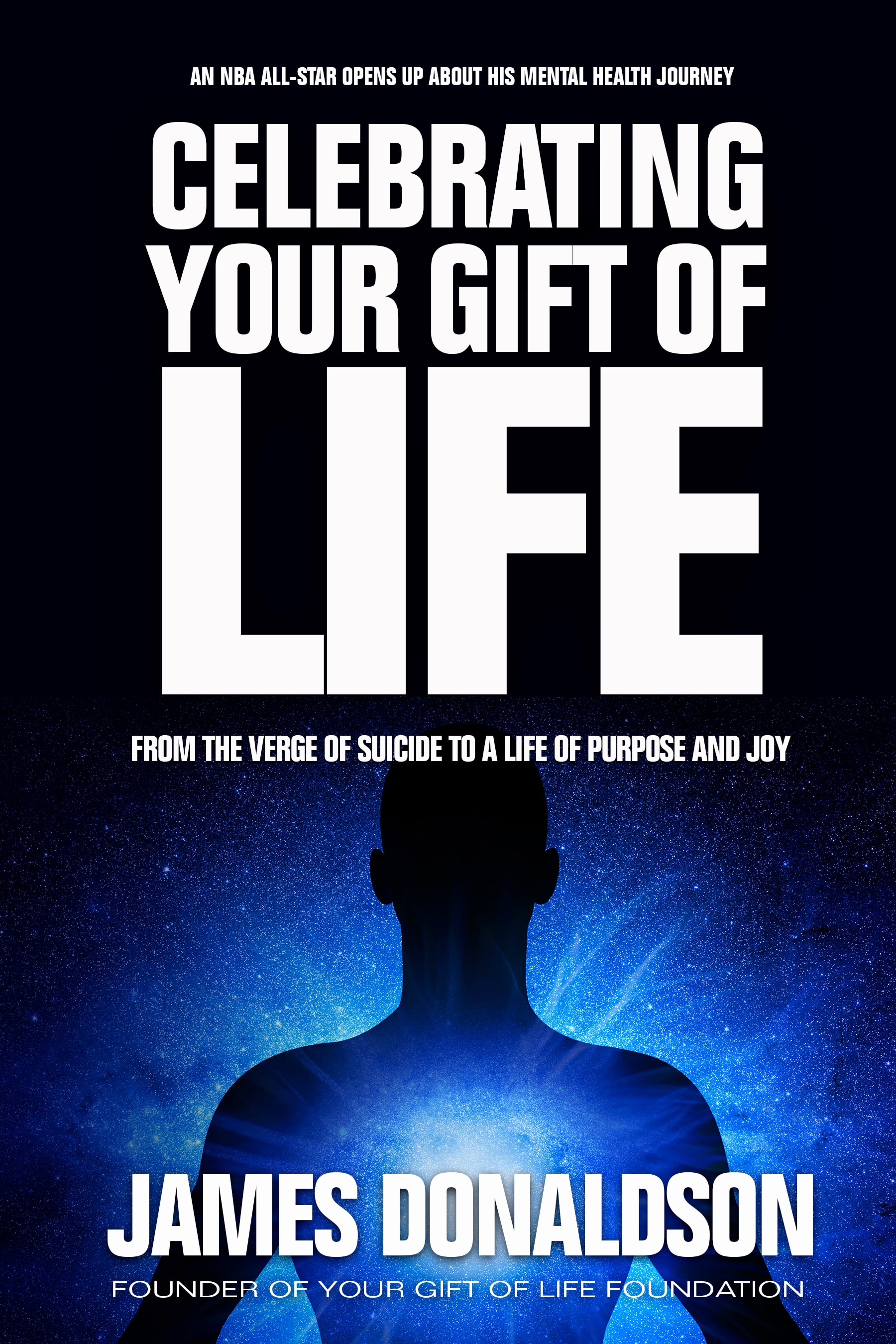
Celebrating Your Gift of Life
From the verge of suicide to a life of purpose and joy
Order & Get It Signed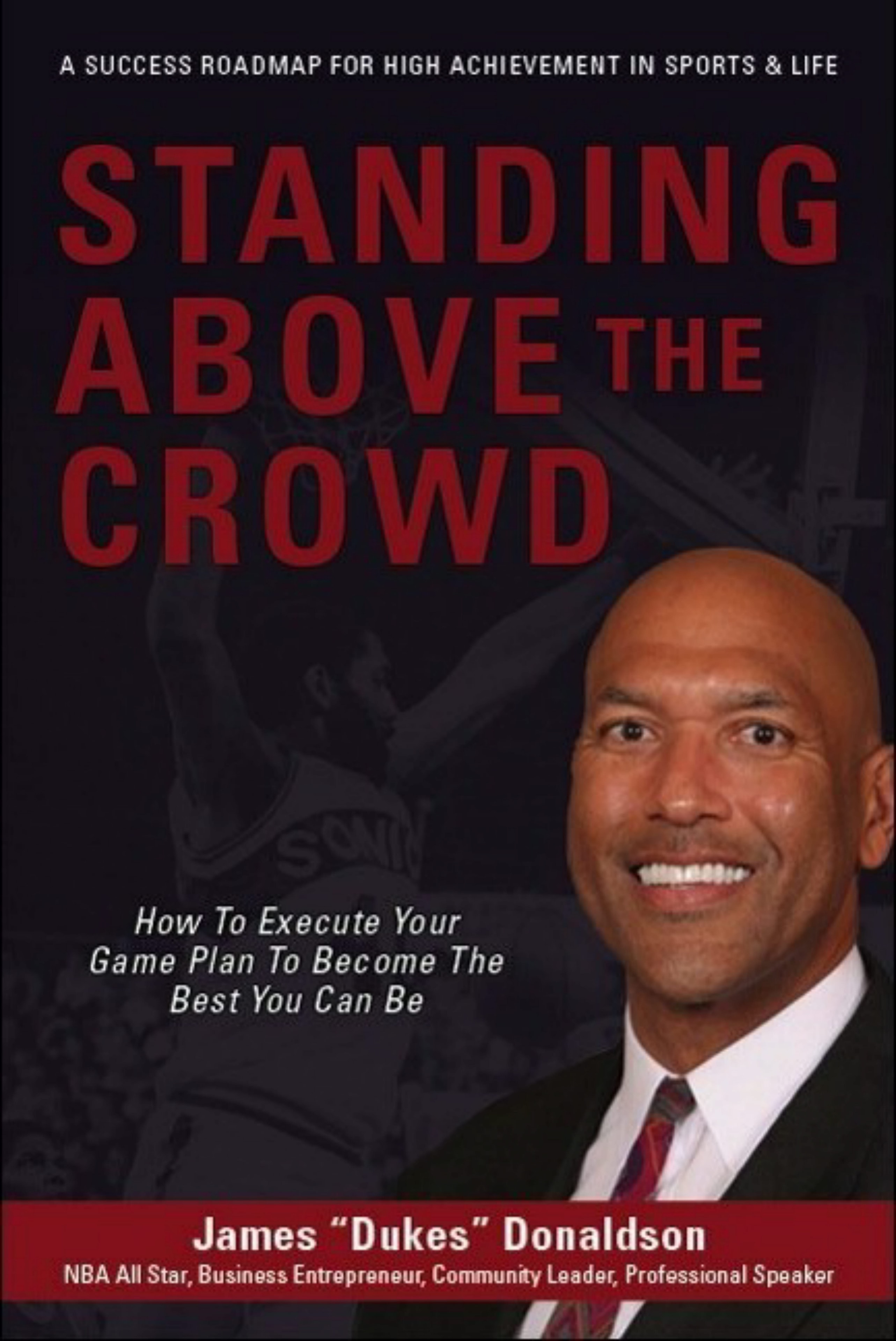
Standing Above the Crowd
Inspiring stories of resilience, hope, and mental wellness
Order & Get It Signed
James Donaldson
Author, Speaker & Mental Health Advocate · Standing Above the Crowd
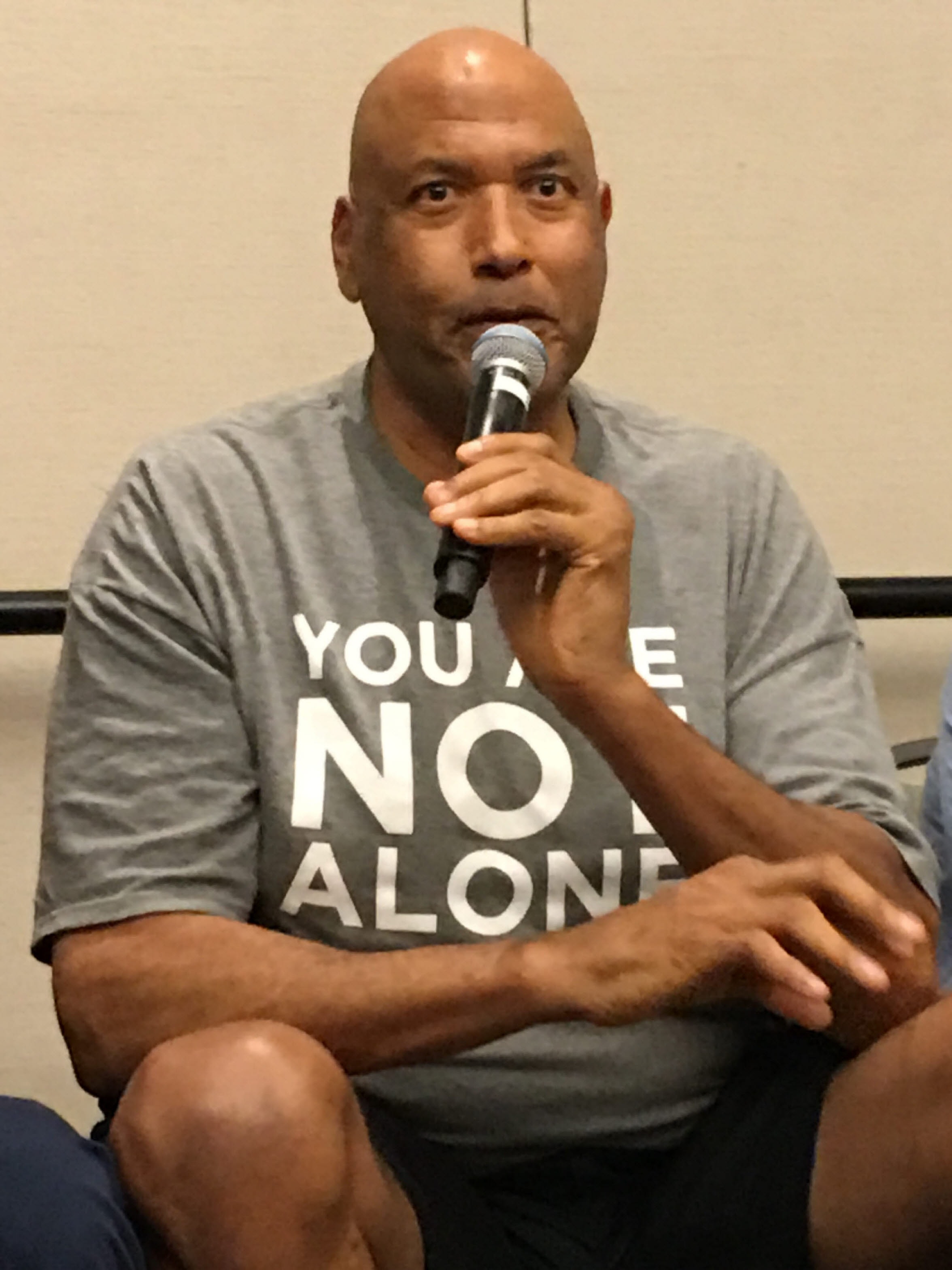
James Donaldson is a former NBA All-Star (1988, Dallas Mavericks) who played 20 years of professional basketball with the Seattle SuperSonics, L.A. Clippers, Dallas Mavericks, New York Knicks, Utah Jazz, and teams across Europe, before touring with the Harlem Globetrotters. A Washington State University graduate inducted into both the Pac-10 and WSU Athletic Halls of Fame, James went on to found The Donaldson Clinic, an outpatient physical therapy practice he operated for nearly three decades. Today he devotes his time to mental health awareness and suicide prevention — speaking to organizations, schools, and youth groups — and is the author of Standing Above the Crowd and Celebrating Your Gift of Life (2021). James recently relocated to the Dallas, TX area and believes deeply in being a role model of success and professionalism for the young people he serves.