7 min read

By Jen Christensen Closing arguments focused in part on how much medication Lindsay Clancy was taking and whether it was too much.
By Jen Christensen Closing arguments focused in part on how much medication Lindsay Clancy was taking and whether it was too much.
At the Lindsay Clancy murder trial , mental health professionals who treated her testified that she repeatedly sought changes to dozens of medications prescribed for depression, anxiety and other mental health conditions.
The day before she strangled her three children, slashed her wrists and throat, and jumped from a second-story window, the 36-year-old labor and delivery nurse wrote in a note on her phone that “medication stole my motherhood and my life.” During the trial, prosecutors briefly showed the note to the jury.
In closing arguments Thursday, Clancy’s attorney said she was overmedicated and not criminally responsible for murdering her children in 2023 because she was in a state of psychosis .
He said she had a rare condition called postpartum psychosis, which, when left untreated, carries a higher risk of infanticide and suicide, studies show.
“She was reaching out for help, and she was not getting it,” attorney Kevin Riddington said as Clancy nodded.
But prosecutor Jennifer Sprague also brought up Clancy’s medication in her closing arguments.
She said that the way Clancy killed her children showed that the act was premeditated and that Clancy knew right from wrong, misled her mental health providers and did not take medication as directed.
“She knows, as a nurse, the importance of following the instructions of your medications,” Sprague said.
Clancy has since sued her doctors, claiming that they failed to properly diagnose her and instead “subjected her to a disorganized, uncoordinated course of polypharmacy that exacerbated her condition and precipitated a severe psychotic break,” according to the lawsuit.
From the Author
Order today and James will personally sign your copy — a meaningful keepsake from an NBA All-Star and mental health advocate.
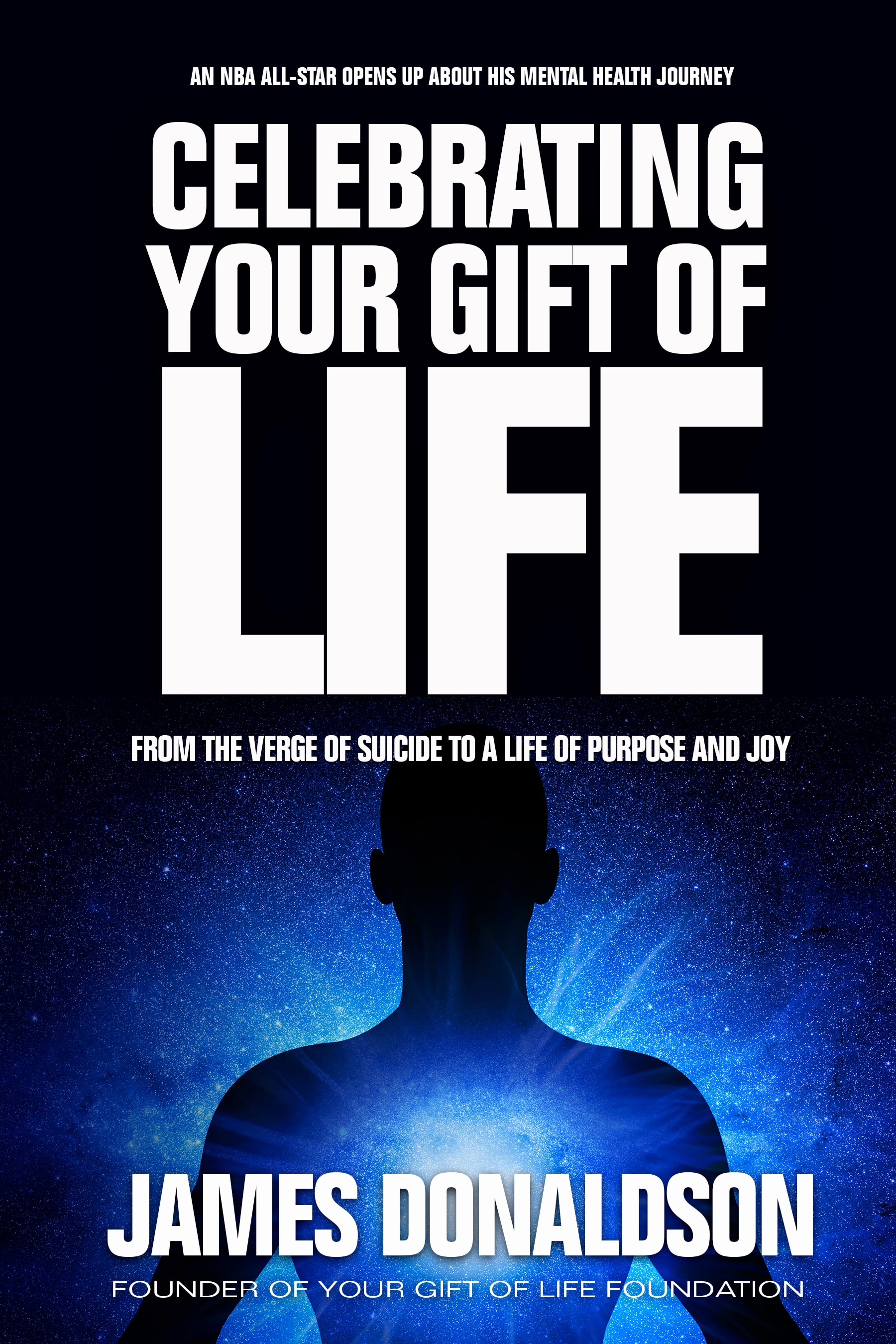
Celebrating Your Gift of Life
From the verge of suicide to a life of purpose and joy
Order & Get It Signed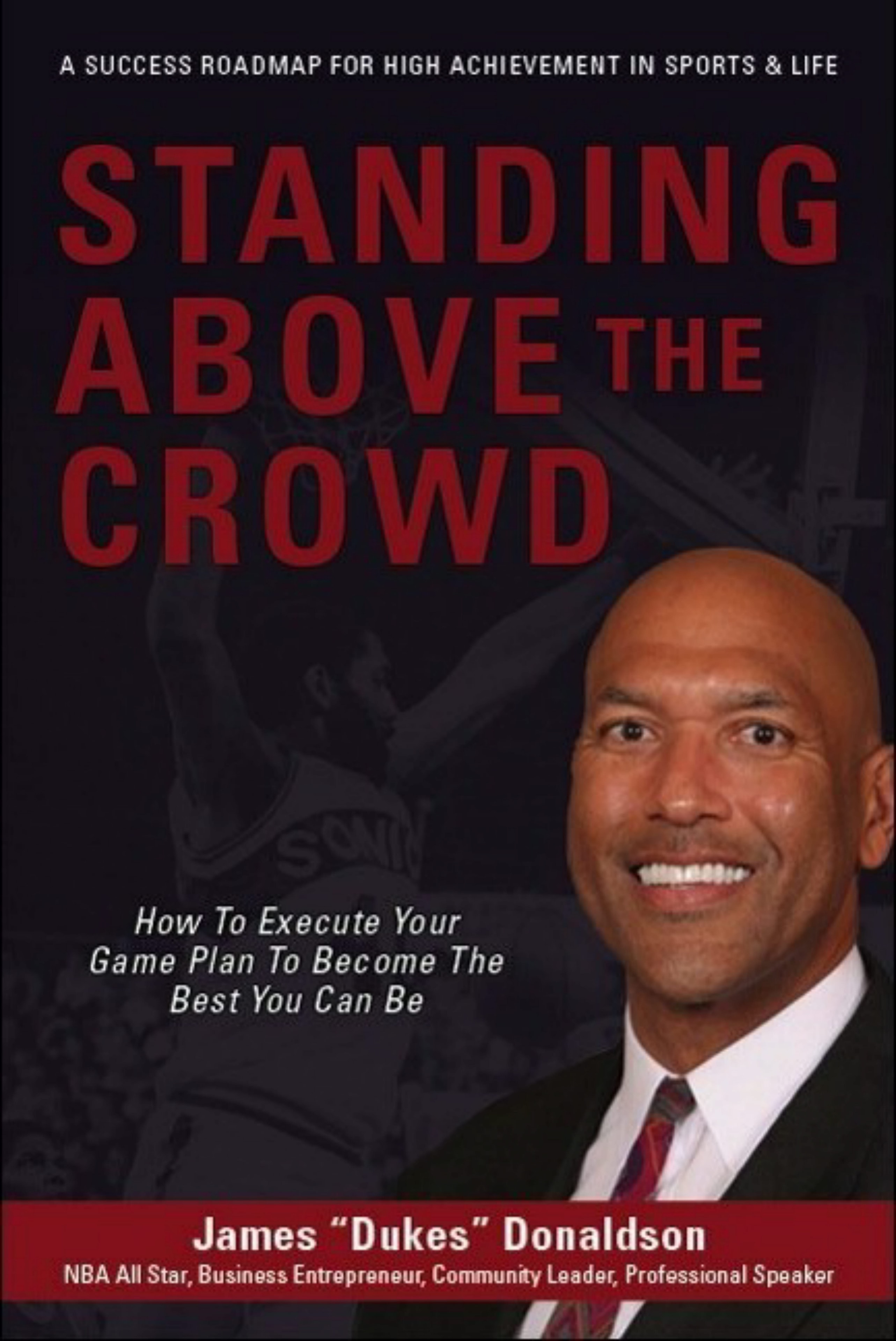
Standing Above the Crowd
Inspiring stories of resilience, hope, and mental wellness
Order & Get It Signed
James Donaldson
Author, Speaker & Mental Health Advocate · Standing Above the Crowd
James Donaldson is a former NBA All-Star (1988, Dallas Mavericks) who played 20 years of professional basketball with the Seattle SuperSonics, L.A. Clippers, Dallas Mavericks, New York Knicks, Utah Jazz, and teams across Europe, before touring with the Harlem Globetrotters. A Washington State University graduate inducted into both the Pac-10 and WSU Athletic Halls of Fame, James went on to found The Donaldson Clinic, an outpatient physical therapy practice he operated for nearly three decades. Today he devotes his time to mental health awareness and suicide prevention — speaking to organizations, schools, and youth groups — and is the author of Standing Above the Crowd and Celebrating Your Gift of Life (2021). James recently relocated to the Dallas, TX area and believes deeply in being a role model of success and professionalism for the young people he serves.