7 min read
Building self-advocacy skills In high school, personal responsibility isn’t just about staying on top of your schoolwork — it’s about knowing how to speak up when you need something.
Building self-advocacy skills In high school, personal responsibility isn’t just about staying on top of your schoolwork — it’s about knowing how to speak up when you need something.
This is especially important for students with learning challenges.
Make sure your teen identifies at least one adult at school they can reach out to for extra help.
And if they need accommodations that they aren’t getting, practice language they can use to ask for them.
When students know how to ask for what they need, they may be more likely to ask for help if they’re having social or emotional issues as well.
If a student is struggling emotionally or socially, but also doing well in school, they aren’t likely to come to the attention of school psychologists and other support staff, notes Ashley Cameron, a New York City school counselor.
“If you don’t know how to ask for that help, a lot of times it goes unnoticed.” she says.
So, make sure your teen knows an adult at the school they can go to for help outside of academics, too.
Why you should stay involved For parents of high school students, it may be tempting to think that getting involved with larger school community, or even knowing other parents, is no longer important.
But Cameron cautions against thinking this way.
From the Author
Order today and James will personally sign your copy — a meaningful keepsake from an NBA All-Star and mental health advocate.
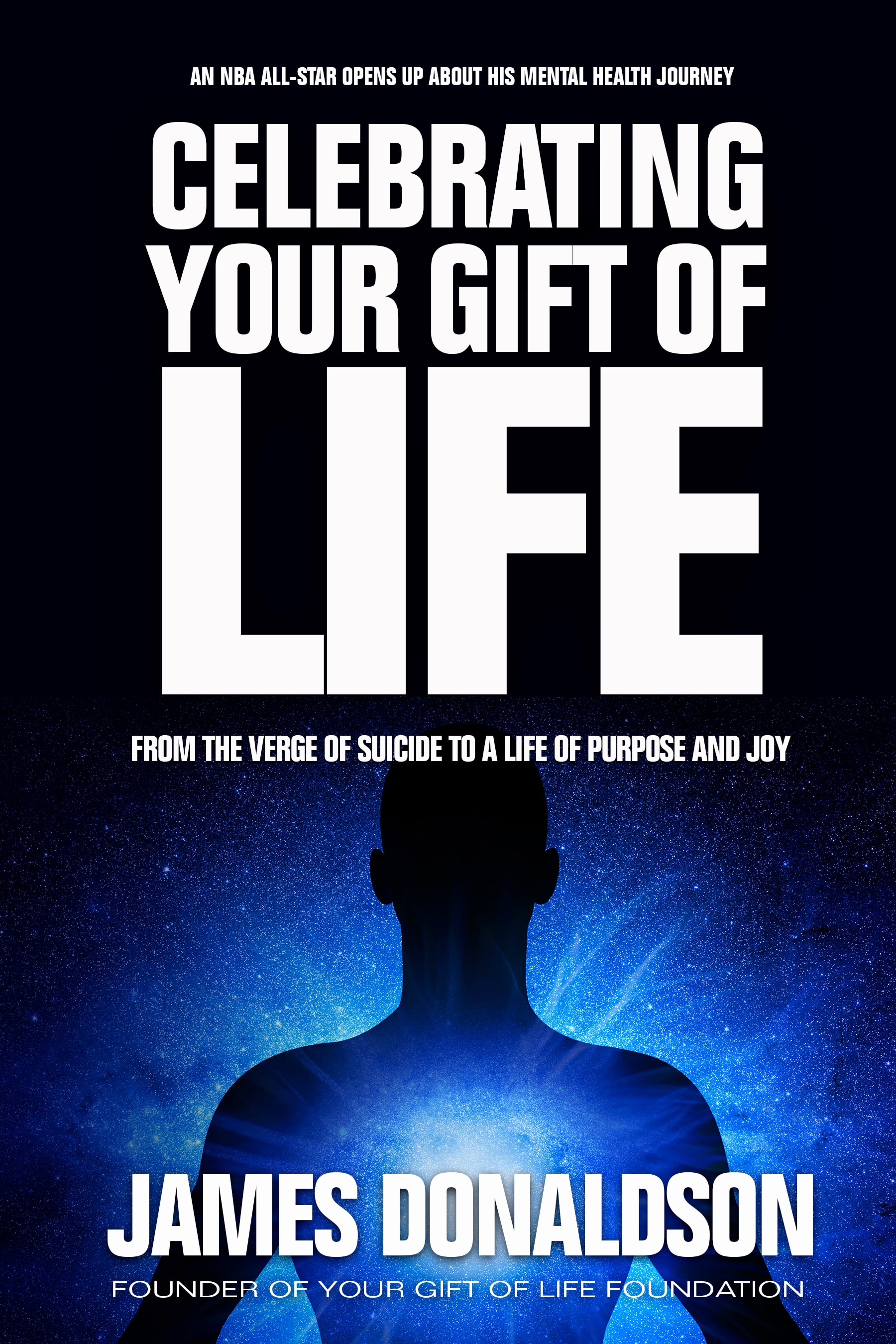
Celebrating Your Gift of Life
From the verge of suicide to a life of purpose and joy
Order & Get It Signed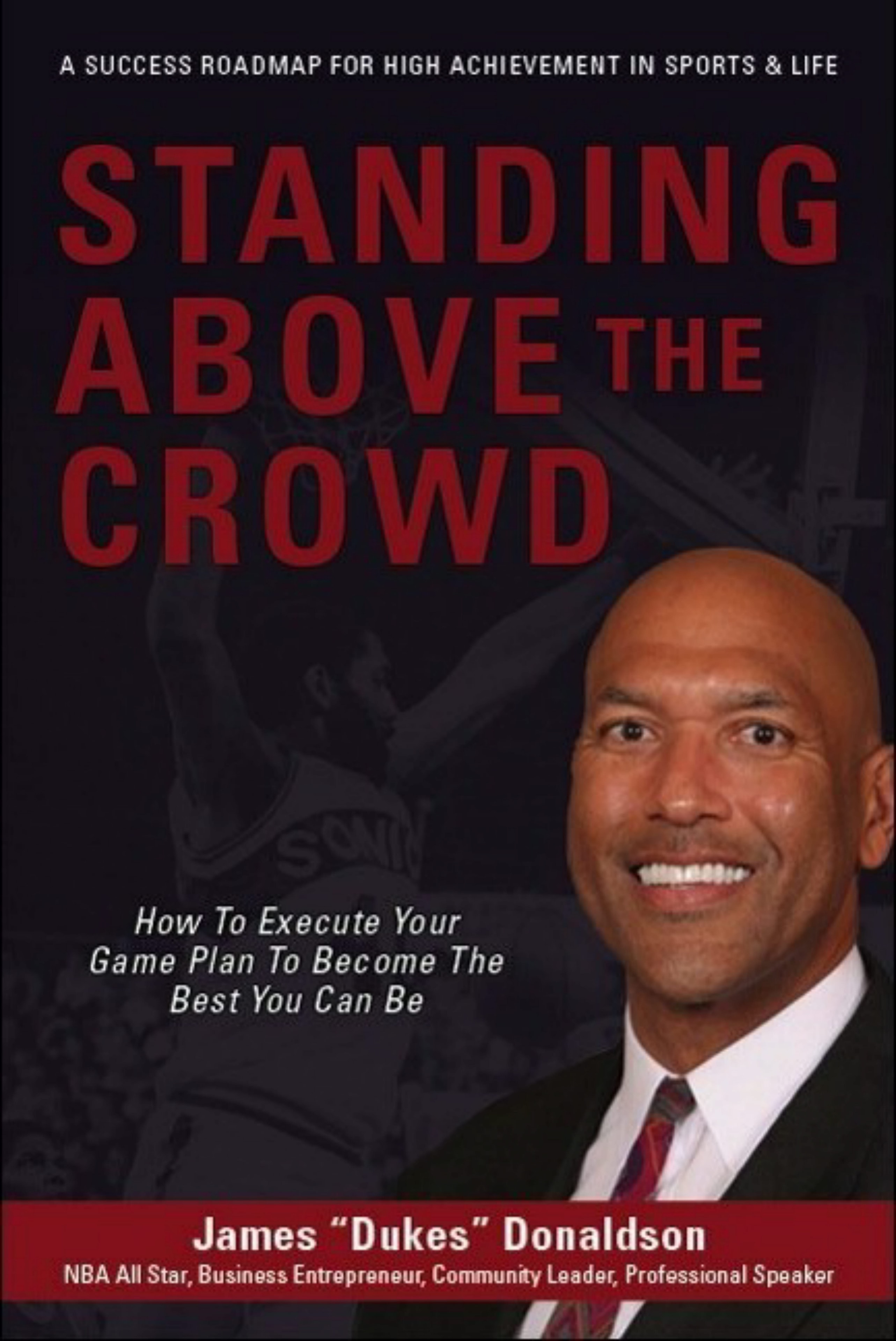
Standing Above the Crowd
Inspiring stories of resilience, hope, and mental wellness
Order & Get It Signed
James Donaldson
Author, Speaker & Mental Health Advocate · Standing Above the Crowd
James Donaldson is a former NBA All-Star (1988, Dallas Mavericks) who played 20 years of professional basketball with the Seattle SuperSonics, L.A. Clippers, Dallas Mavericks, New York Knicks, Utah Jazz, and teams across Europe, before touring with the Harlem Globetrotters. A Washington State University graduate inducted into both the Pac-10 and WSU Athletic Halls of Fame, James went on to found The Donaldson Clinic, an outpatient physical therapy practice he operated for nearly three decades. Today he devotes his time to mental health awareness and suicide prevention — speaking to organizations, schools, and youth groups — and is the author of Standing Above the Crowd and Celebrating Your Gift of Life (2021). James recently relocated to the Dallas, TX area and believes deeply in being a role model of success and professionalism for the young people he serves.